

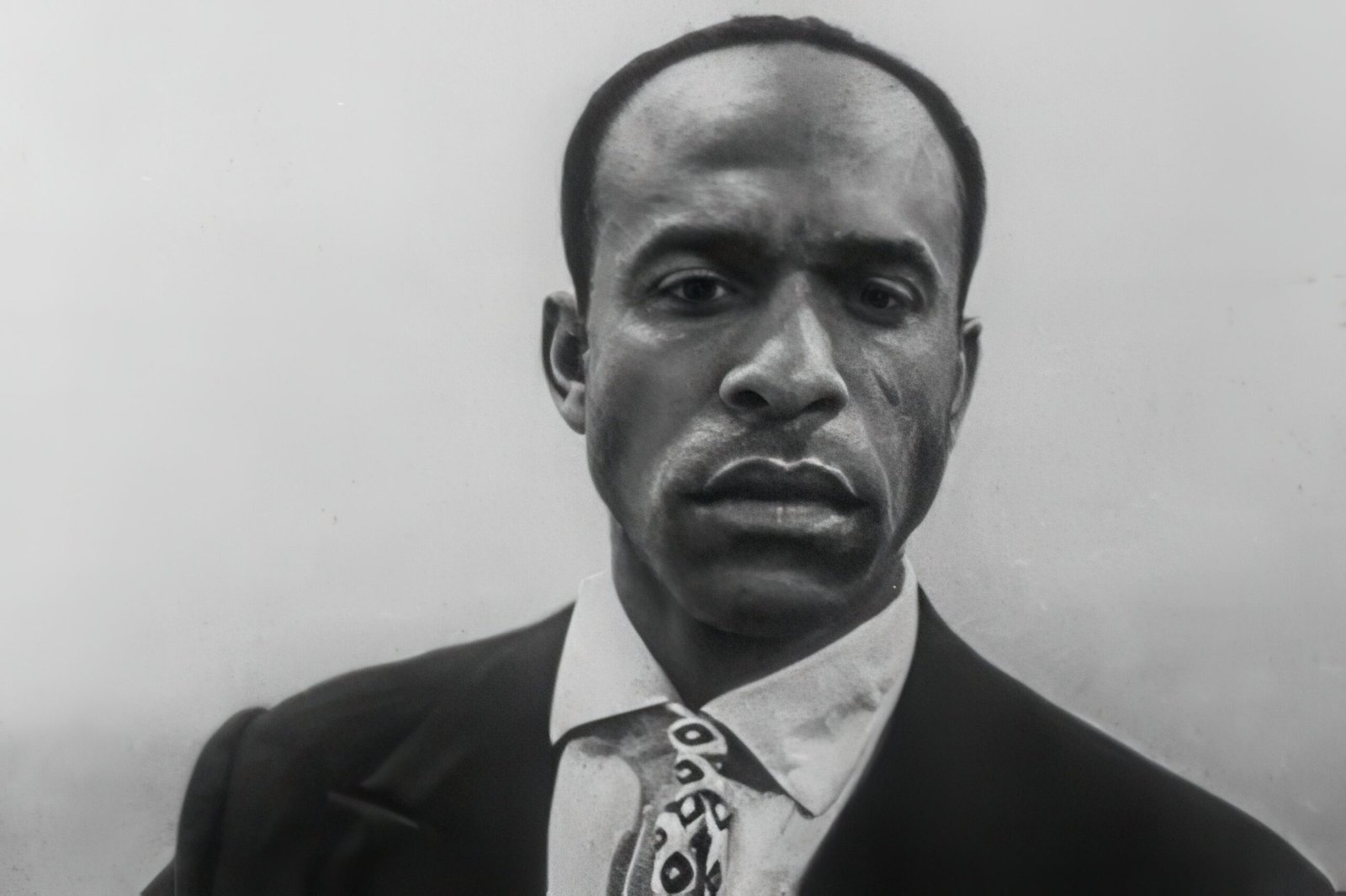

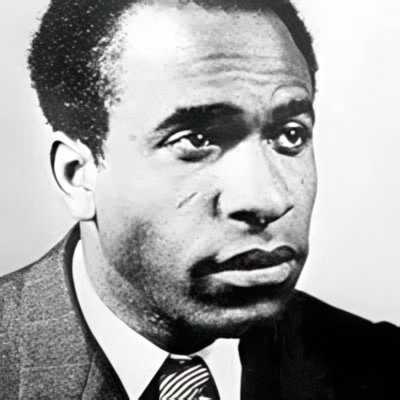
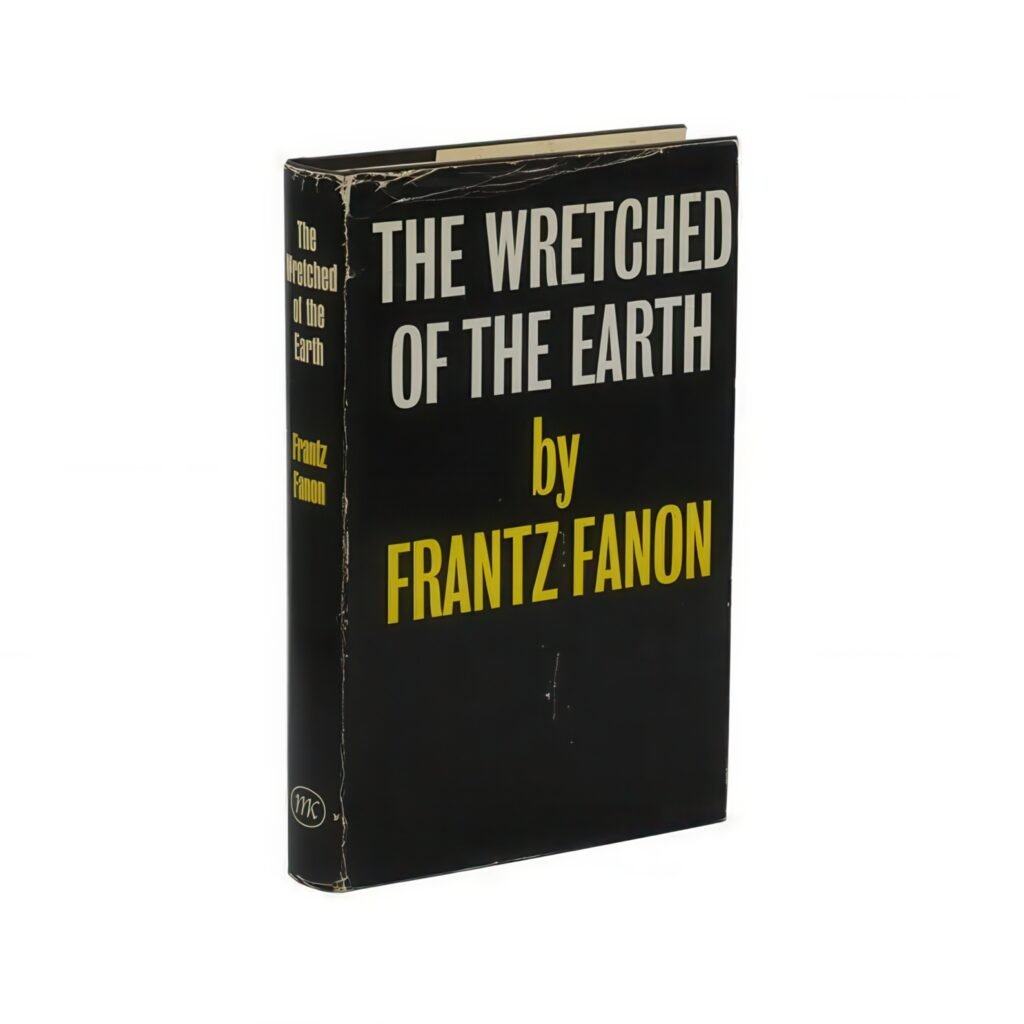
The facts, then. In 1961, a dying man in Tunisia wrote a book that would become the bible of decolonization. His name was Frantz Fanon. He had leukemia. Doctors gave him months to live. He wrote anyway. He wrote fast. He wrote ten chapters in ten weeks.
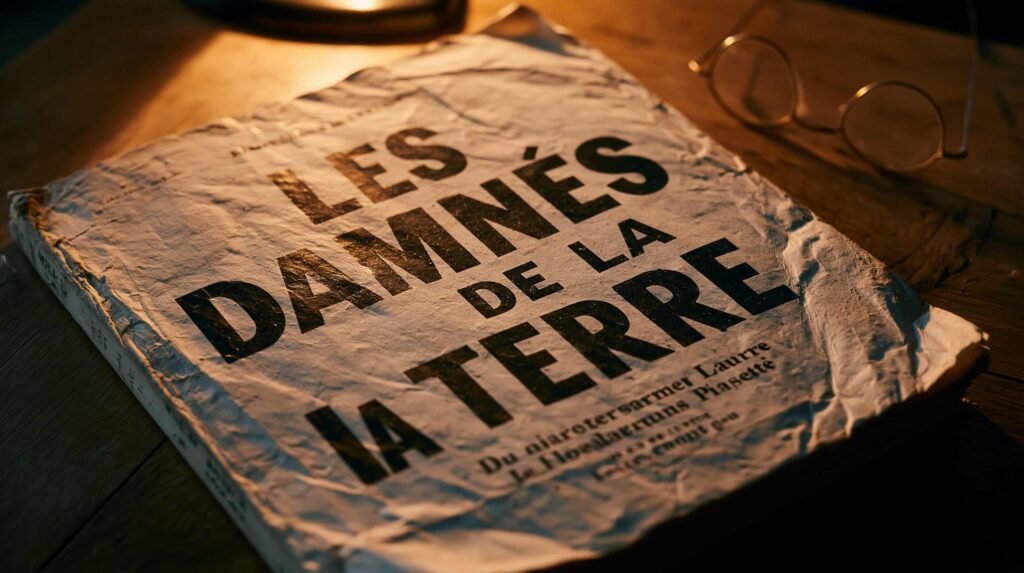
The book was called “Les Damnés de la Terre” – “The Wretched of the Earth”. It was published in 1961, the year of his death. A year later, Algeria won its independence. Fanon did not live to see it. But his words traveled further than he ever could.
The Argument
Fanon argued that colonialism was not a system of misunderstanding. It was a system of violence. The colonizer did not rule through persuasion. He ruled through guns, laws, and terror. The colonized lived in a different world. The colonizer had paved roads, clean water, and schools. The colonized had shantytowns, hunger, and humiliation.

Between these two worlds, Fanon wrote, there was no compromise. The colonial system would not reform itself. It would not negotiate its own end. It would only give way when confronted with greater force. “Colonialism is not a machine capable of thinking,” he wrote. “It is naked violence and only gives in when confronted with greater violence.”
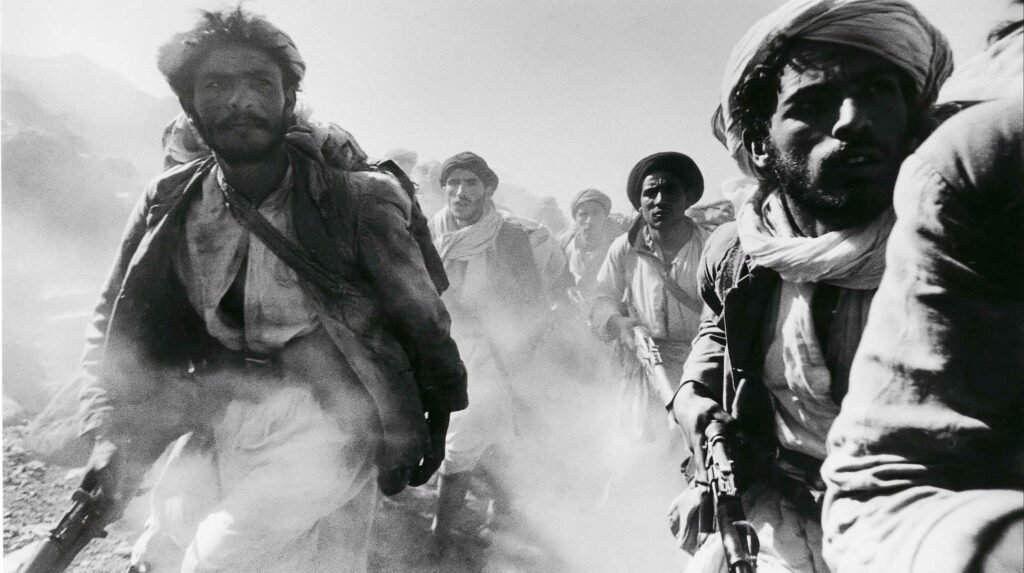
This argument made Fanon controversial. Western critics called him a prophet of violence. But Fanon was not celebrating violence. He was describing what he saw. He had treated torture victims during the Algerian war. He had watched French soldiers break men’s minds and bodies. He knew that the colonizer’s violence came first. The colonised’s violence was a response.
The Warning
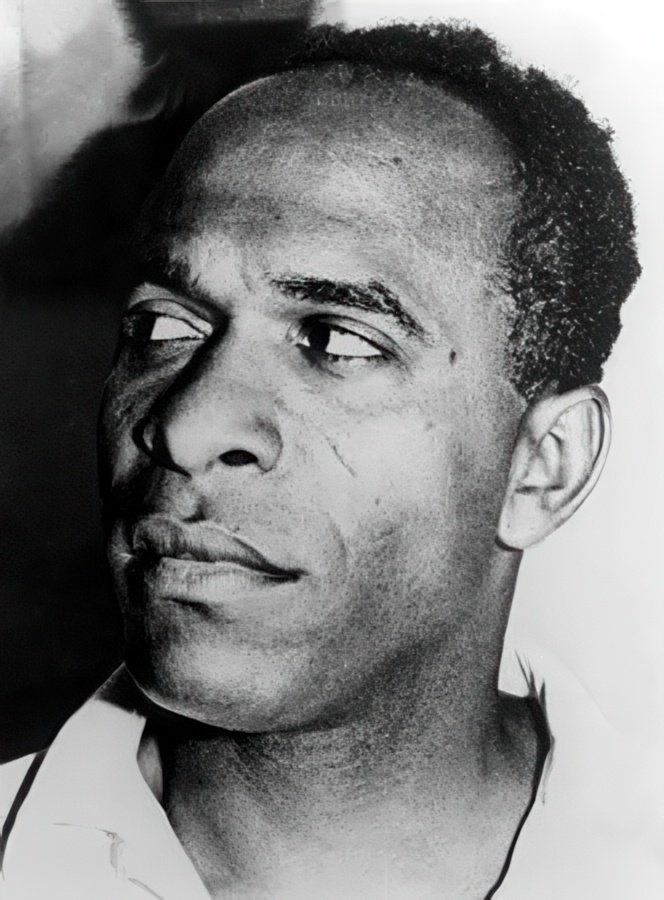
Fanon also warned about something else. He predicted that after independence, a new class of African elites would betray the revolution. He called them the “national bourgeoisie”. They would speak the language of liberation but live in the villas of the colonizers. They would enrich themselves while the masses stayed poor. They would replace colonial exploitation with local exploitation.
“The bourgeoisie should not be allowed to find the conditions necessary for its existence,” he wrote. “The combined effort of the masses led by a party and of intellectuals who are highly conscious and armed with revolutionary principles ought to bar the way to this useless and harmful middle class.”
He was right. Across Africa in the 1960s and 1970s, independence leaders built personal fortunes while their people stayed poor. Ghana’s Kwame Nkrumah, Kenya’s Jomo Kenyatta, and Ivory Coast’s Félix Houphouët-Boigny all died rich. Their countries stayed poor.
The Influence
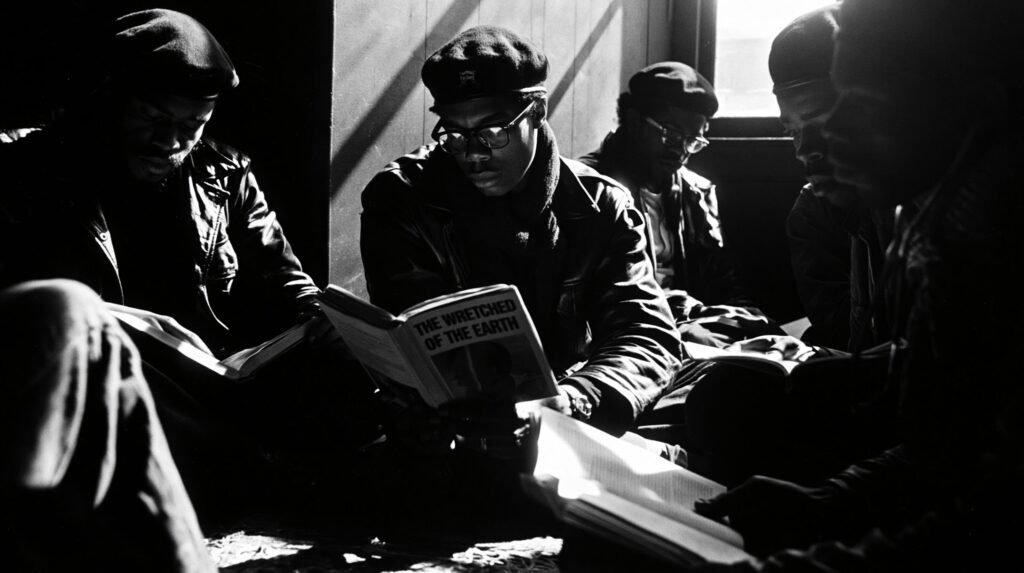
Fanon’s book became essential reading for the Black Panthers in America. Kathleen Cleaver, the Panthers’ communications officer, wrote that “The Wretched of the Earth” seemed to explain and justify the violence erupting in Black ghettos across the country. Huey P. Newton read Fanon in prison. He borrowed Fanon’s analysis of colonialism and applied it to Black America.
Even Martin Luther King Jr., who rejected violence, used Fanon’s language. In his 1967 book “Where Do We Go From Here: Chaos or Community?”, King described the Black ghetto as “a system of internal colonialism… The slum is little more than a domestic colony which leaves its inhabitants dominated politically, exploited economically, segregated and humiliated at every turn.”
King and Fanon disagreed on tactics. But they saw the same problem.
The Legacy
Today, “The Wretched of the Earth” is still read. It has never gone out of print. Its sixtieth anniversary edition includes introductions by Cornel West and Homi K. Bhabha. It has influenced movements from Black Lives Matter to the Arab Spring. In 2019, Algerians rose up against their own national bourgeoisie. They chanted slogans that echoed Fanon’s warnings.
Fanon died on December 6, 1961. He was 36 years old. He never saw Algeria free. He never saw the Panthers pick up his book. He never saw his warnings about the national bourgeoisie come true across Africa. But he wrote anyway. He wrote for a future he would not live to see. That was his revolution.
Sources:
- Britannica – The Wretched of the Earth (https://www.britannica.com/topic/The-Wretched-of-the-Earth)
- TNI Longreads – The new Algerian revolution and Black Lives Matter (2021) (https://longreads.tni.org/nl/the-new-algerian-revolution-and-black-lives-matter.html)
- History Workshop – Radical Books: Frantz Fanon, The Wretched of the Earth (1961) (https://www.historyworkshop.org.uk/empire-decolonisation/radical-books-frantz-fanon-the-wretched-of-the-earth-1961/)
- E-International Relations – Examining the Dynamics of Decolonisation in Fanon’s The Wretched of the Earth (2016) (https://www.e-ir.info/2016/05/03/examining-the-dynamics-of-decolonisation-in-fanons-the-wretched-of-the-earth/)
- Brill Academic Publishers – Chapter on Fanon’s influence on Black Panthers (https://brill.com/previewpdf/display/book/edcoll/9789004409200/BP000002.xml)
- Adam Alemi Journal – Critical analysis of The Wretched of the Earth (https://adamalemijournal.com/index.php/aa/article/download/628/302/3479)
- Coquitlam Public Library – 60th anniversary edition details (https://link.coqlibrary.ca/portal/rH-WQCIXCI4)