
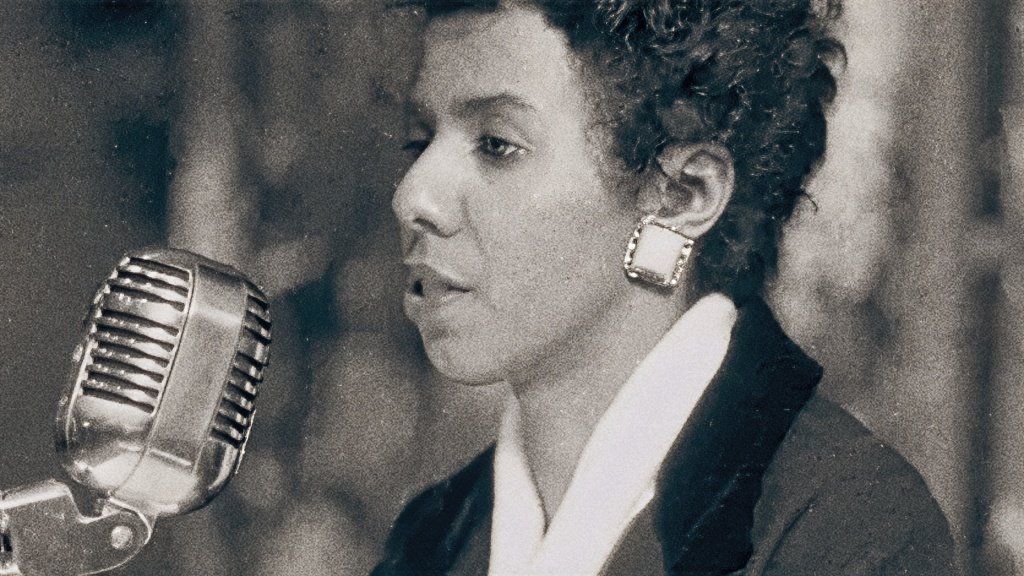

Lorraine Hansberry died at 34. She packed more into those 34 years than most people pack into 80, and then she died at the height of her power, which is the kind of thing that turns a talented person into a legend. But the legend has been sanded down. She is remembered as a playwright. She should be remembered as a radical.
She was born in Chicago in 1930, the youngest of four children. Her father was a wealthy real estate broker. Her mother was a schoolteacher and ward committeeperson. The family was part of Chicago’s Black elite. But wealth did not protect them from segregation. In 1938, Carl Hansberry bought a house in a white neighbourhood. The neighbours attacked them. A court ordered them out. Carl fought the case to the US Supreme Court and won. The decision did not strike down restrictive covenants entirely, but it broke that particular one. Lorraine was eight years old. She grew up understanding that the law was not neutral.
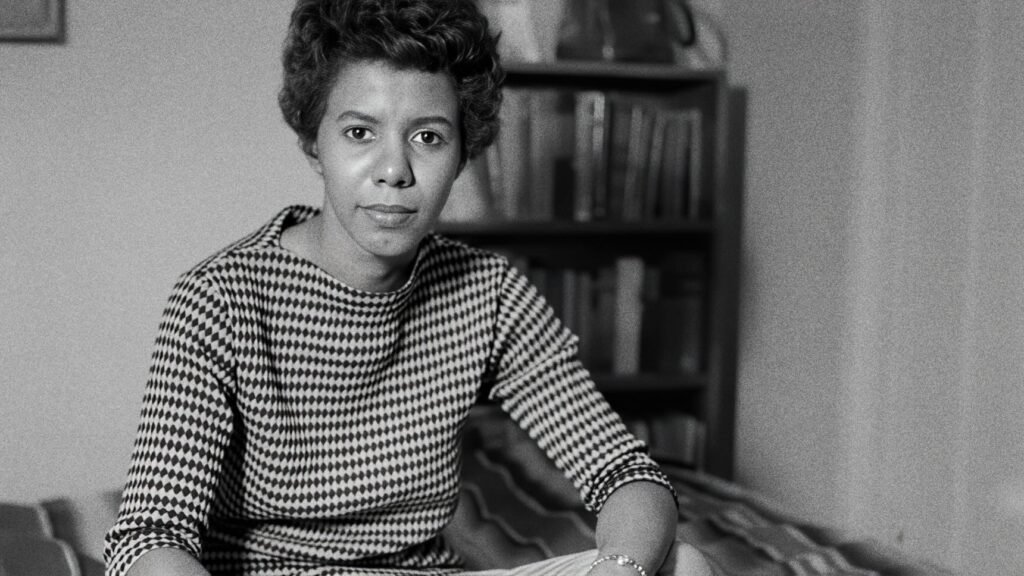
Her family home was a gathering place for Black intellectuals. Paul Robeson sat in her living room. Langston Hughes read his poems there. W. E. B. Du Bois argued politics at her dinner table. These were not distant figures in a textbook. They were guests. She absorbed what they taught and carried it into her adult life.
She went to the University of Wisconsin and lasted two years. The classroom was not enough. She moved to New York, enrolled briefly at The New School, and then went to work for Robeson’s newspaper Freedom at 21. This was not a gentle column-writing job. She covered the Willie McGee case, a Black man executed in Mississippi on fabricated rape charges. She wrote about the Mau Mau uprising in Kenya when the mainstream press was calling the fighters terrorists. She travelled to Uruguay to represent Robeson at a peace conference after the State Department revoked his passport. She was doing international political work before most people have finished their first job.

In 1953, she married Robert Nemiroff, a Jewish songwriter she met on a picket line. They protested the execution of Julius and Ethel Rosenberg the night before their wedding. This is who Lorraine Hansberry was.
In 1957, she wrote two letters to The Ladder, the magazine of the Daughters of Bilitis, the first lesbian rights organisation in the US. She wrote about the loneliness of being a woman who loved women in a country where that was illegal. She signed the letters with her initials. She never publicly acknowledged her sexuality. Her private notebooks, discovered after her death, confirmed what the letters only hinted at. She was a woman who could not live openly and who wrote about that pain anyway.
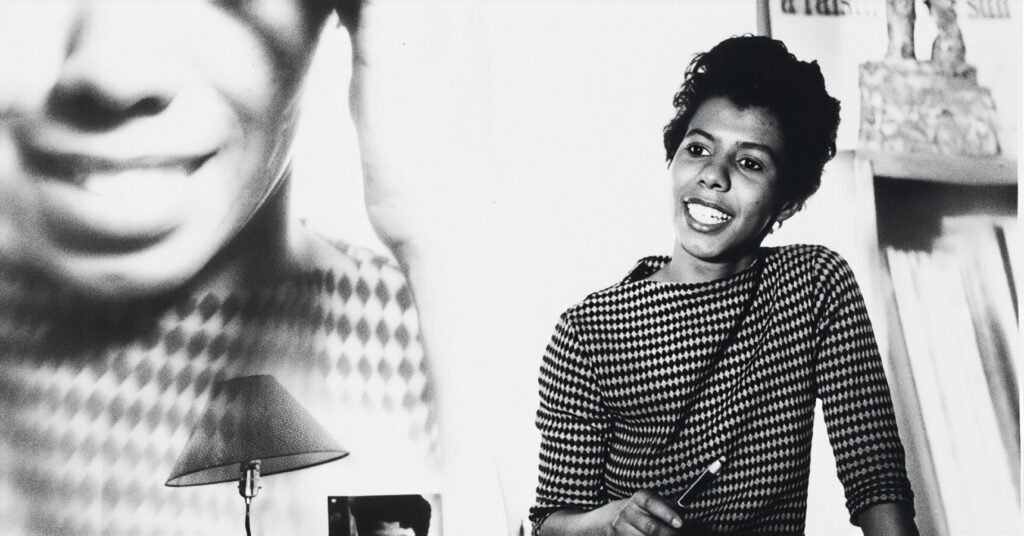
Then came A Raisin in the Sun. The title came from Langston Hughes’s poem Harlem: What happens to a dream deferred? Does it dry up like a raisin in the sun? The play answered that question by showing three generations of the Younger family crammed into a small Chicago apartment, fighting over what to do with a life insurance cheque. The matriarch, Lena, wants to buy a house. Her son Walter Lee wants to invest in a liquor store. His sister Beneatha wants to go to medical school. All of them are right. All of them are trapped. The play is 66 years old and it has not dated.
It opened on 11 March 1959 at the Ethel Barrymore Theatre. The New York Times called it honest and moving. It ran for 530 performances. Hansberry won the New York Drama Critics Circle Award, beating Tennessee Williams and Archibald MacLeish. She was 29. She was the first Black person and the youngest American to win that award.
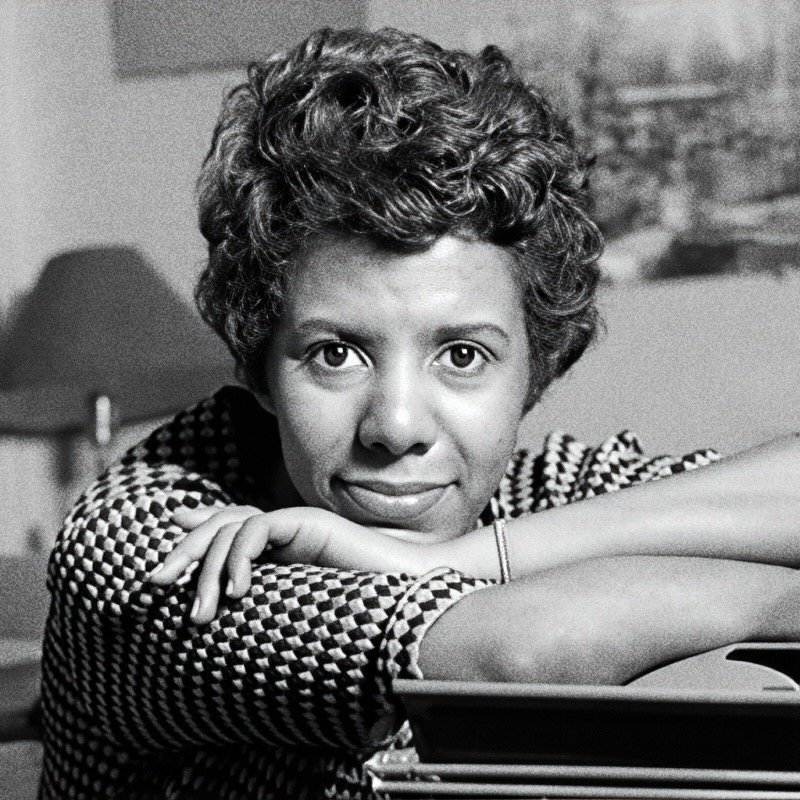
She did not stop writing. She did not stop organising. In 1963, she helped organise a meeting between civil rights leaders and Attorney General Robert Kennedy. The group included James Baldwin, Harry Belafonte, Lena Horne, and others. They told Kennedy the federal government was failing Black Americans. Kennedy was defensive. The meeting did not go well. Hansberry reportedly told Kennedy that she was worried about the future of the country. She was right.
In 1964, her second play, The Sign in Sidney Brustein’s Window, opened on Broadway. It was about white intellectuals in Greenwich Village. It was not A Raisin in the Sun. Critics were unenthusiastic. The play ran for 101 performances. Two days after it closed, Lorraine Hansberry died of pancreatic cancer at 34.
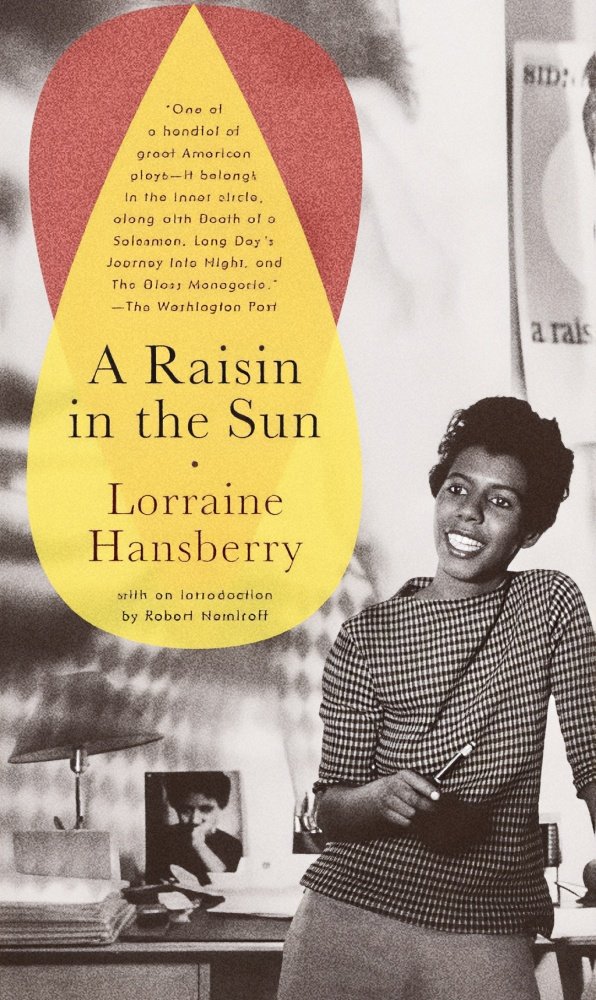
Nina Simone wrote To Be Young, Gifted and Black, taking the phrase from a speech Hansberry gave to a group of student winners of a national essay contest. The song opens with the words: To be young, gifted and Black, oh what a lovely precious dream. Hansberry had said it first. She had lived it. And she had died before the dream was anywhere near finished.
—
Sources
– Wikipedia, Lorraine Hansberry
– Biography.com, Lorraine Hansberry
– National Women’s History Museum, Lorraine Hansberry
– US Supreme Court, Hansberry v. Lee, 311 U.S. 32 (1940)
– Anderson, Melissa, “Lorraine Hansberry’s Letters to The Ladder” (Out/literary criticism)
– The New York Times, A Raisin in the Sun reviews (1959)
– The Natalie Portman Podcast (archival interview context, Hansberry biographies)
– Burgess and Vis, Interkosmos (contextual reference)