


The facts, then. On July 27, 1825, a brig called the Espadarte pulled into Rio de Janeiro’s harbour. Its name meant “Swordfish,” but its cargo was not fish. The ship carried 422 African people, taken from Angola and forced across the Atlantic. That shipment was the first slave voyage organised by a man named José Bernardino de Sá. At the time, Sá was just a clerk at a Rio trading house. He would not stay a clerk for long.
Over the next twenty-five years, Sá trafficked at least 19,000 enslaved Africans to Brazil. A law passed in 1831 made the transatlantic slave trade illegal, but the law had no teeth. Brazilian authorities rarely enforced it. Sá kept working. By the time he died in 1855, Sá had become Viscount of Rio. He owned countless buildings in the city. He held rural properties along Brazil’s southeastern coast. He possessed three ships. And he held more shares in the Banco do Brasil than any other individual. All of it bought with the profits of human cargo.
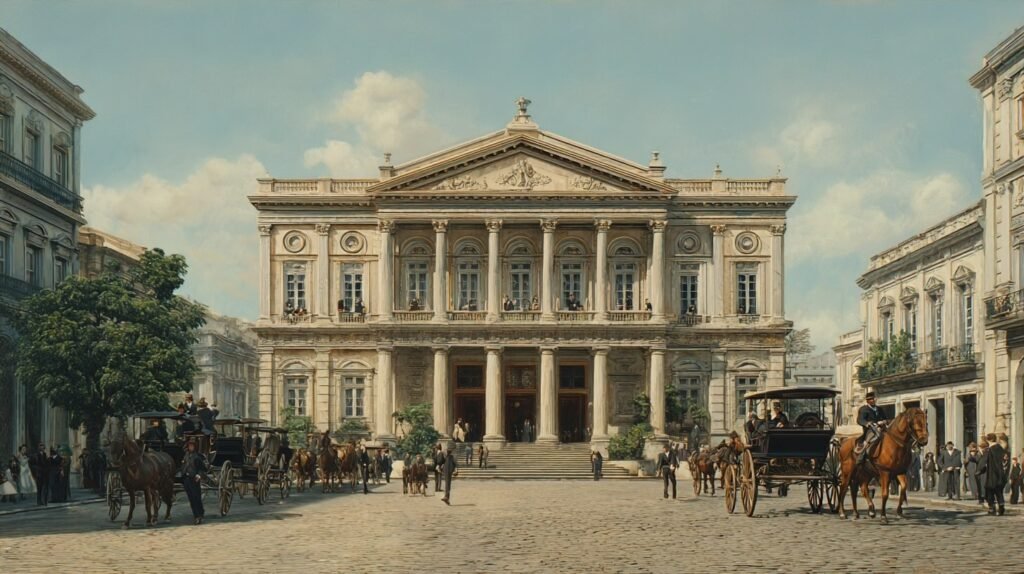
For a long time, historians did not talk about this. The connection between Sá’s fortune and one of Brazil’s biggest banks was not widely known, even among economic historians. As Thiago Campos Pessoa, the researcher who dug into Sá’s trafficking activities, explained, the 19th-century slave trade had become normalised. It was just business. That normalisation meant that even scholars looked past it.
Brazil’s avoidance of its own history is not accidental. After abolishing slavery in 1888, the country adopted a policy of collective amnesia. For most of the 20th century, Brazil did not want to discuss how slavery enriched its elite and shaped its institutions. That silence only started breaking in recent decades. Podcasts like the acclaimed Projeto Querino and research projects led by historians like Clemente Penna and Thiago Campos Pessoa are finally bringing these stories into public debate.

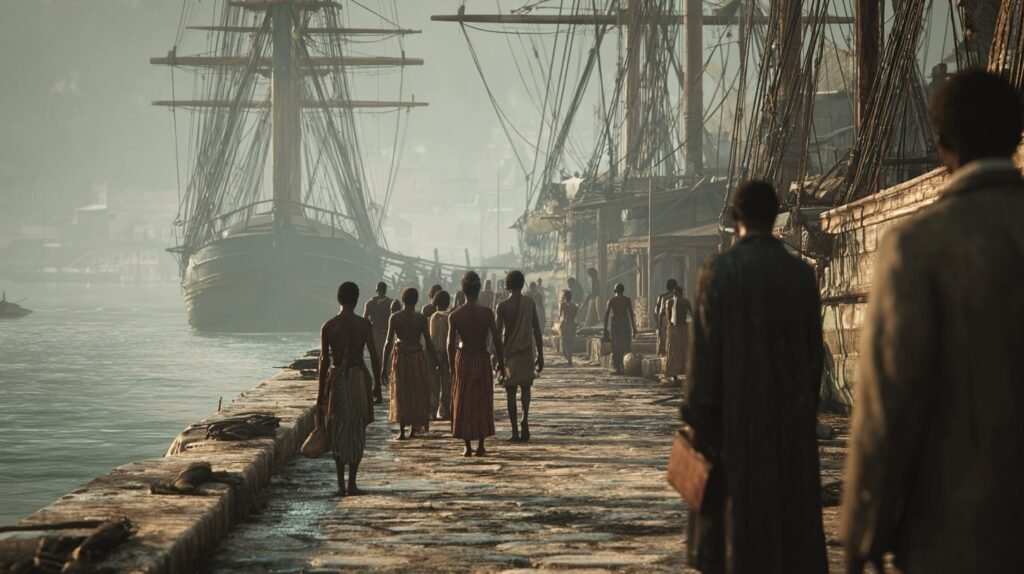
The numbers involved are staggering. Over four centuries, about 5 million enslaved Africans were shipped to Brazil. That is roughly forty percent of all Africans transported across the Atlantic. After Brazil won independence from Portugal in 1822, another 1.2 million people arrived in chains. The country received more enslaved Africans than any other nation in the Americas.
Today, Sá’s legacy is part of a living legal fight. Prosecutors have launched an unprecedented inquiry into Banco do Brasil’s historical links to the slave trade. The bank has been asked to propose ways to make reparations. The inquiry is not just about the past. As prosecutor Júlio Araújo put it, “This is not an investigation about the past, but about Brazil’s present and future.” The question is whether the country can face its history and take meaningful steps toward repair.

Sá was one man. He started as a clerk and ended as a viscount. But he was not alone. The financial system that enabled him, the banks that held his shares, and the state that looked away were all complicit. The Espadarte carried 422 people. Sá trafficked 19,000. The full scale of Brazil’s slave trade reached 5 million. That history is still shaping Brazil today.
Sources:
- The Guardian – “Brazil slave trafficker’s links to top bank spark debate over reparations” (Oct 2023)
- Yahoo News UK – “Brazil slave trafficker’s links to top bank spark debate over reparations” (Oct 2023)
- Projeto Querino podcast
- research by Thiago Campos Pessoa
- research by Clemente Penna
ALL IMAGES GENERATED WITH A.I