
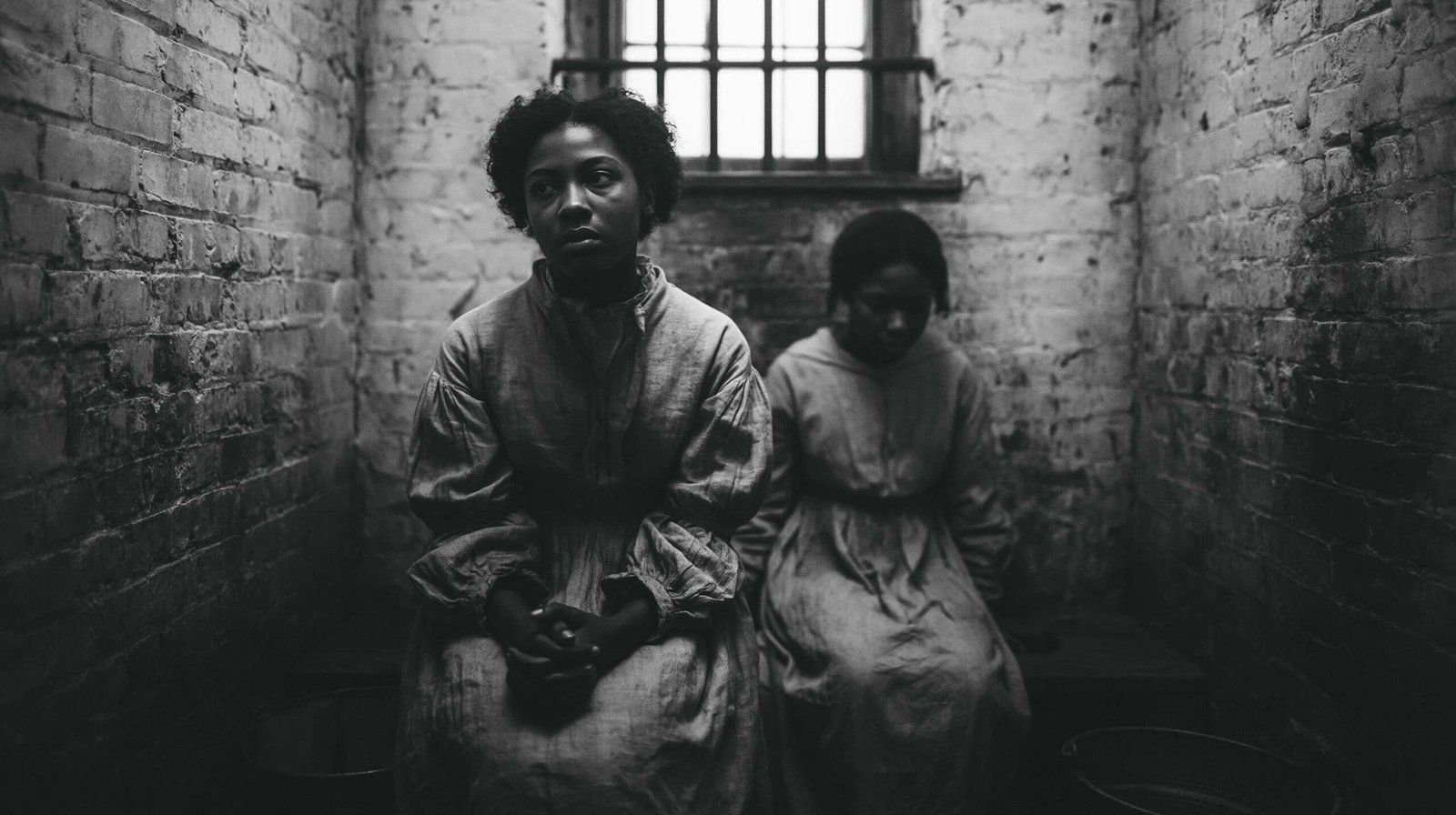

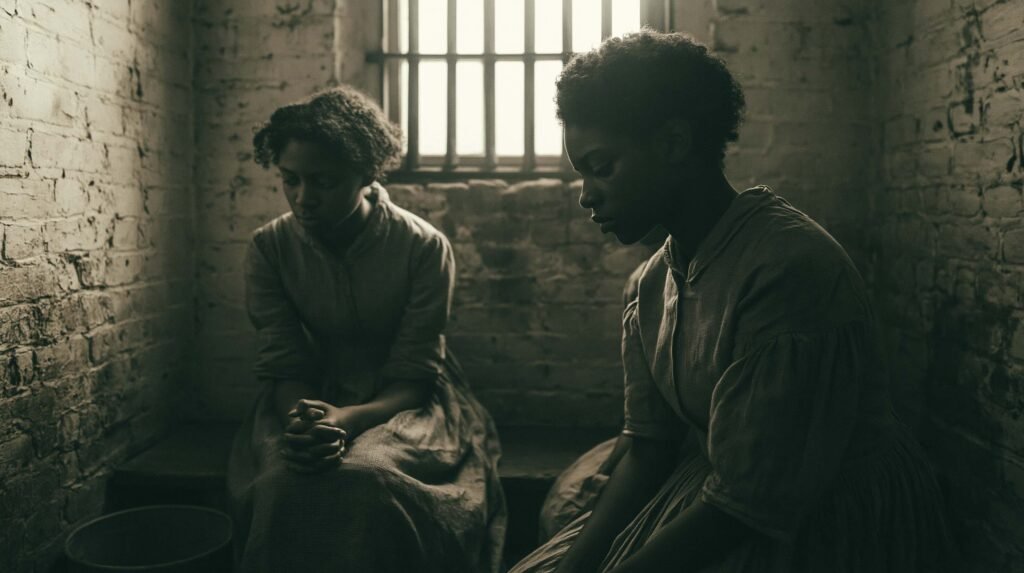
Two teenage girls were locked in a slave jail in Alexandria, Virginia in April of 1848. They had just been dragged back to the capital after the largest slave escape in American history failed. The slave trader looked at them and saw dollars. They were young. They were light skinned. He decided to sell them into the New Orleans sex market.
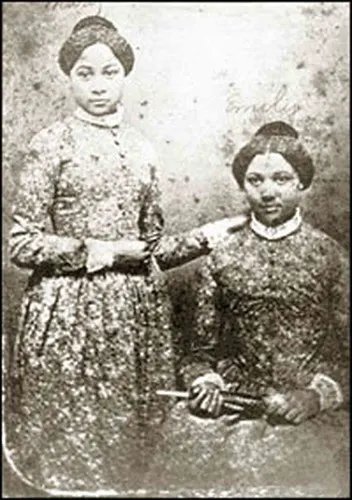
Mary Edmonson was 16 years old. Emily was 13. The girls were born in Montgomery County, Maryland. Their father Paul was a free black man who owned his own land. Their mother Amelia was enslaved. In slave states, the law of partus sequitur ventrem said a child inherited the mother’s status. All 14 Edmonson children were born into slavery, even though their father was a free man.
Paul Edmonson had purchased land in the Norbeck area and farmed it. Amelia was allowed to live with him but continued to work for her owner. The children began working young. By age 13 or 14, Mary and Emily were hired out as servants in the homes of wealthy white families in Washington, D.C. Their wages went to their owner. They were slave labor in the capital of the United States.
Four of their older sisters had managed to buy their freedom with help from their husbands. But the master had stopped allowing it. Mary and Emily had no way out. Then they heard about the Pearl.

The escape had been planned by white abolitionists William L. Chaplin and Gerrit Smith, along with two free black men in Washington including Paul Jennings, a former slave of President James Madison. The plan was to sail 77 slaves out of Washington on a schooner and up to New Jersey, a 225 mile journey. The slaves came from 41 of the most prominent families in Washington and Georgetown, valued together at $100,000.
The Pearl left the Seventh Street Wharf on April 15, 1848. The slaves hid among cargo boxes. The ship sailed down the Potomac. But tides shifted and weather turned. The Pearl dropped anchor in the bay to wait out the storm. By morning, the slaveholders had raised the alarm. An armed posse went downriver on a steamboat and caught the Pearl at Point Lookout, Maryland.
They were towed back to Washington. A mob was waiting. Harriet Beecher Stowe later wrote in A Key to Uncle Tom’s Cabin that the captives were driven through the streets “bound with ropes, two and two. Showers of taunts and jeers rained upon them from all sides.”
Mary and Emily were taken to Joseph Bruin’s slave jail at 1707 Duke Street in Alexandria. Bruin ran one of the most active slave trading operations in the Upper South. He saw the Edmonson sisters as profit. They were young, educated as house servants, and light skinned. That combination meant they would fetch a premium price as “fancy girls” in the New Orleans market.
They were shipped south immediately. But a yellow fever epidemic broke out in New Orleans. The market collapsed. Bruin had the sisters sent back to Alexandria. He offered their father a deal. $2,250 for both girls. If Paul Edmonson could not raise the money, they would be sent back to New Orleans.
Edmonson had no such money. He went north, carrying letters from supporters. He knocked on doors in New York. Someone sent him to the Anti-Slavery Society offices. They directed him to the Reverend Henry Ward Beecher at Plymouth Church in Brooklyn.
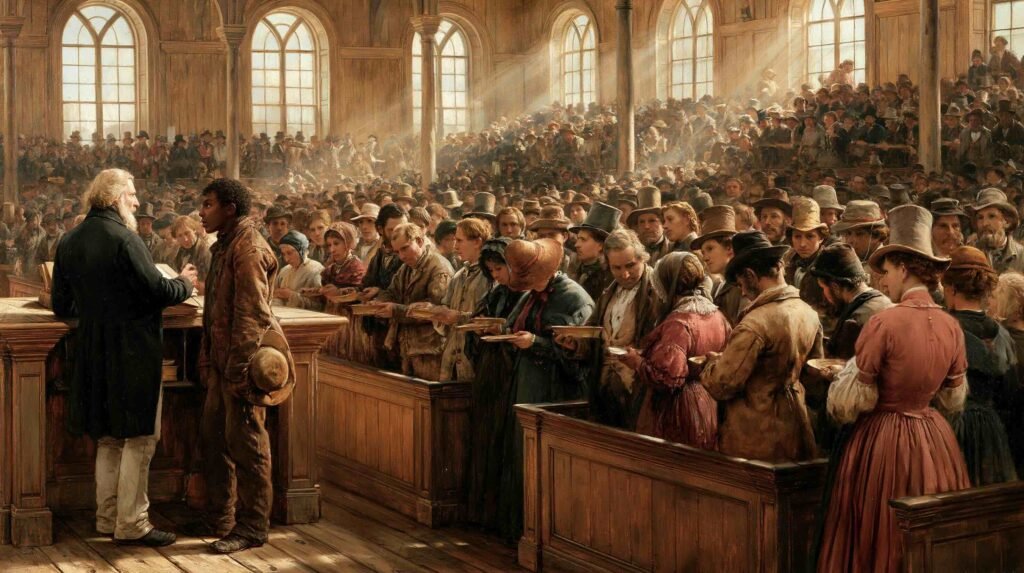
Beecher was one of the most famous abolitionist preachers in America. His sister was Harriet Beecher Stowe. His congregation was known for anti-slavery activism. Beecher listened to Edmonson’s story. Then he asked his congregation to open their wallets.
They did. The money was raised. On November 4, 1848, Mary and Emily Edmonson were freed. Most stories end there, with freedom. The Edmonson story does not.
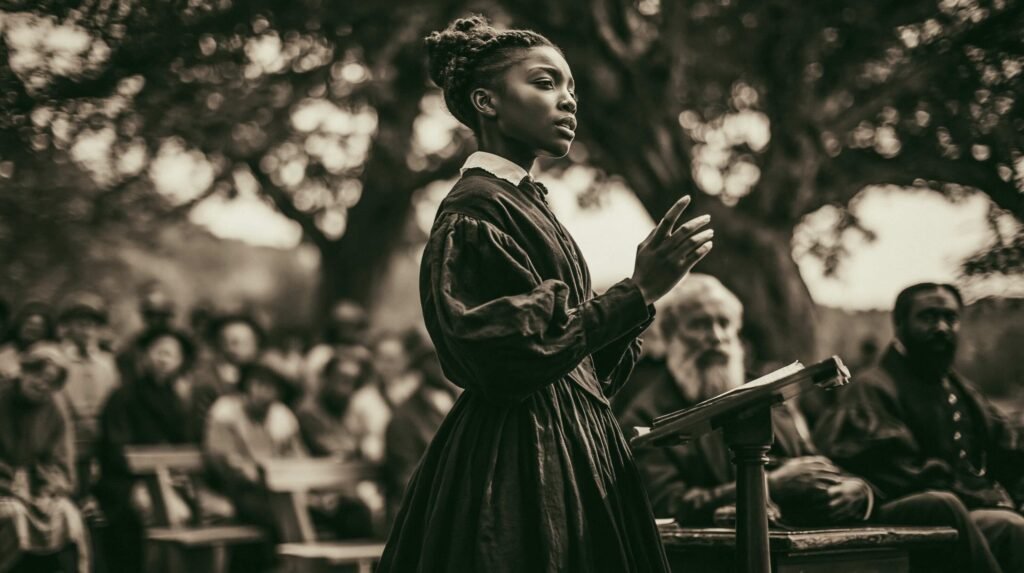
The sisters became public speakers. They had a platform now because they had lived through what the North was arguing about. They spoke at abolitionist rallies. They attended the Cazenovia Convention in August 1850, one of the most important anti-slavery gatherings of the era, where Frederick Douglass and others declared that all slaves were prisoners of war and warned of insurrection unless emancipation came.
Beecher and his sister Harriet Beecher Stowe funded the sisters’ education. In 1853, Mary and Emily enrolled at the Young Ladies Preparatory School at Oberlin College in Ohio. Oberlin was one of the few institutions in America that admitted black students. Mary never finished. She contracted tuberculosis and died in 1853. She was 20 or 21 years old.
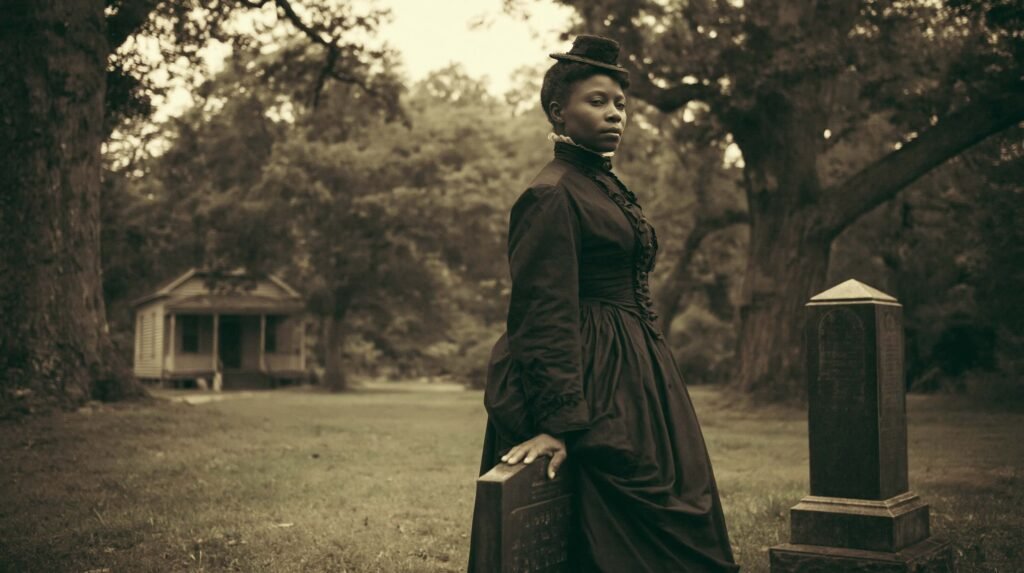
Emily lived. She returned to Washington, D.C. and enrolled in the Normal School for Colored Girls, training to become a teacher. She married Larkin Johnson in 1860. She settled in Anacostia, purchasing land with her family. Her neighbor was Frederick Douglass. His granddaughter later wrote that Emily and Douglass “were like sister and brother.”
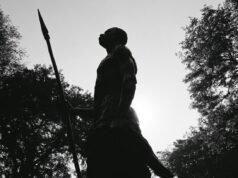
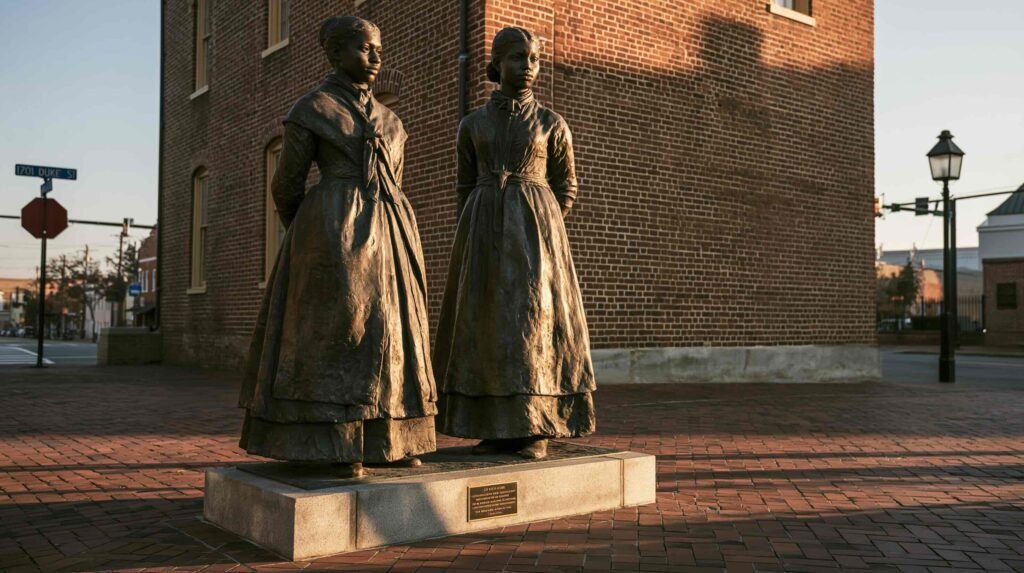
Emily continued working for African American rights for the rest of her life. She died on September 15, 1895. In 2010, a bronze statue of Mary and Emily Edmonson was installed on Duke Street in Alexandria, on the exact ground where Bruin’s slave jail once held them. They are not depicted in chains. They are depicted standing together, dressed in the clothing they wore after freedom, looking forward.
Sources
Wikipedia: Edmonson sisters
Maryland State Archives: Emily Edmonson Biography
Preservation Maryland: Women’s History Month Feature, The Edmonson Sisters
WETA Boundary Stones: The Edmonson Sisters of Alexandria, Legends in the Fight Against Slavery
Mary Kay Ricks, Escape on the Pearl (2007)
Harriet Beecher Stowe, A Key to Uncle Tom’s Cabin (1853)