

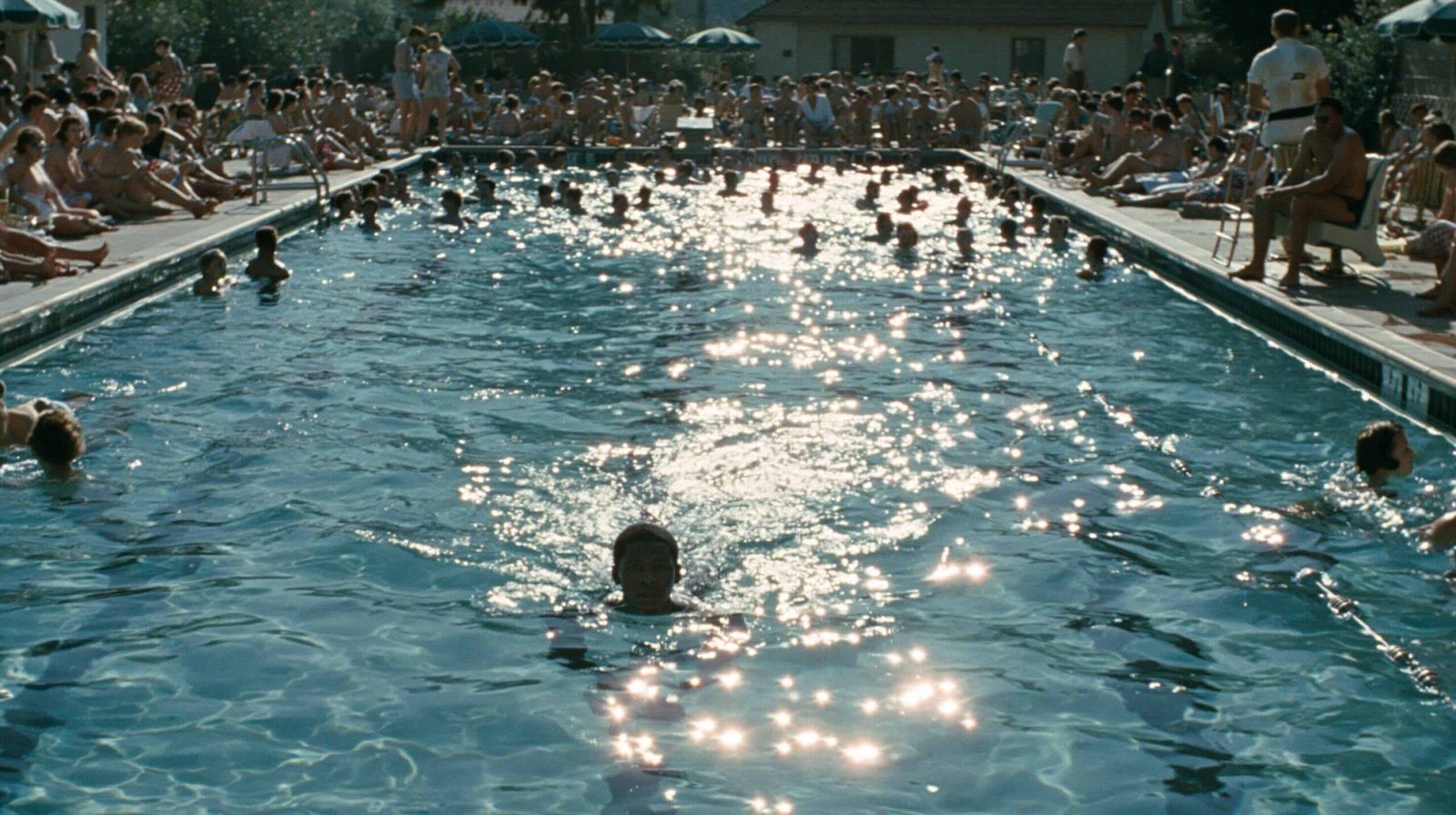

On June 8, 1958, a 19-year-old Black man named David Isom walked up to the ticket window at the Spa Pool in St. Petersburg, Florida. He paid 35 cents for admission. The cashier had been told to treat him “like any other citizen.”
About 45 white people were already in the pool when Isom entered. He swam for roughly 20 to 30 minutes. The lifeguard on duty, Tommy Chinnis, later said Isom “was like everyone else.” The white bathers paid him little attention. Isom said he was treated politely by everyone present.

Then he left. And the pool closed. Manager John Gough tacked a “closed” sign on the entrance. He said he was acting on orders from City Manager Ross Windom. The reason? Because a Black person had used the facilities.
Here is what led to that moment. St. Petersburg had segregated public swimming facilities for years. White residents and visitors used the Spa Pool and Spa Beach downtown. Black residents were forced to use the “South Mole”, a small, poorly maintained beach in Tampa Bay that was littered with trash. A fishing pier physically separated the two areas.

In August 1955, members of the city’s Black Civic Coordinating Committee tried to access the Spa facilities. They were denied. That denial sparked a lawsuit. The city fought it for nearly two years. In April 1957, a court ruling affirmed that Black residents had the right to use the beach.
But the city did not enforce the ruling. Facilities remained segregated in practice for another year.

On June 7, 1958, eight Black teenagers and college students tested the policy. They bought tickets and entered Windom Beach. When they did, hundreds of white bathers immediately vacated the area.
The next day, Isom went further. He entered the Spa Pool itself.
When he got out, the city drained the pool. Workers refilled it with fresh water and heavy doses of undiluted chlorine. An act designed to remove any trace of a Black presence. City Council voted to keep the pool closed for the remainder of the summer rather than integrate it. Isom’s simple act of swimming had shut down a public facility.
Isom later explained his reasoning. “I feel that it’s not a privilege to use the pool, but a right.” He was not looking for a confrontation. He was looking for equal treatment. The city filed a federal lawsuit, City of St. Petersburg v. Alsup, claiming integration would cost the city crucial revenue. But the city dropped the case when unfavourable publicity started driving Northern tourists away.
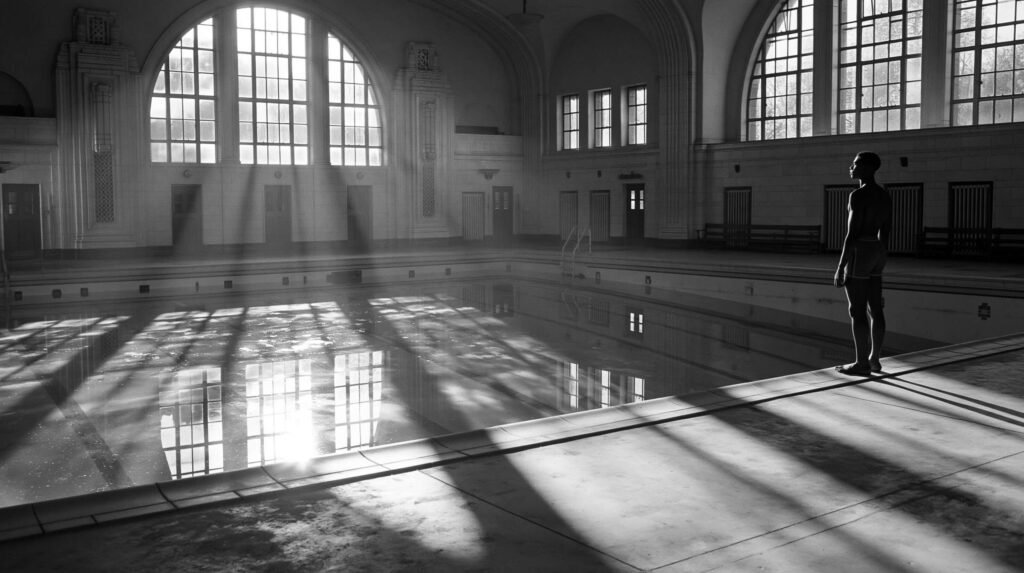
The pool reopened quietly in September 1958 when students returned to school. On January 6, 1959, Spa Beach and Pool officially opened as a desegregated facility.
Isom died in 1970 at just 31 years old. His death was barely noted. His action was nearly forgotten.
But here is what you should remember. A 19-year-old bought a 35-cent ticket and swam in a pool. That act caused a city to drain the water, close the facility, and fight in court to keep Black people out. And yet, Isom won.
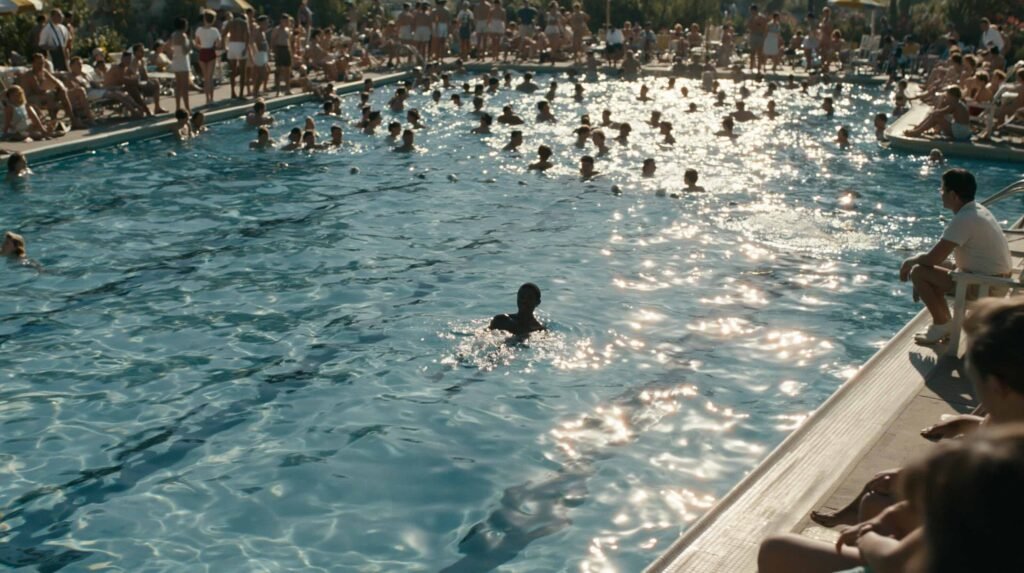
The pool stayed open after 1959. Other Black residents followed his lead. The city eventually stopped fighting. One young man’s 20-minute swim changed St. Petersburg forever.
Sources:
- BlackPast.org – David Isom, Jr. (1939-1970) (https://www.blackpast.org/african-american-history/people-african-american-history/david-isom-jr-1939-1970/)
- Equal Justice Initiative – St. Petersburg Orders Public Pool Closed After Black Man Swims (1958) (https://calendar.eji.org/racial-injustice/jun/8)
- Vintage News Daily – David Isom, 19, Broke the Color Line (2023)
- Because of Them We Can – Meet David Isom (2023)
• • The Amityville Echo – Hidden History: David Isom (2022)