

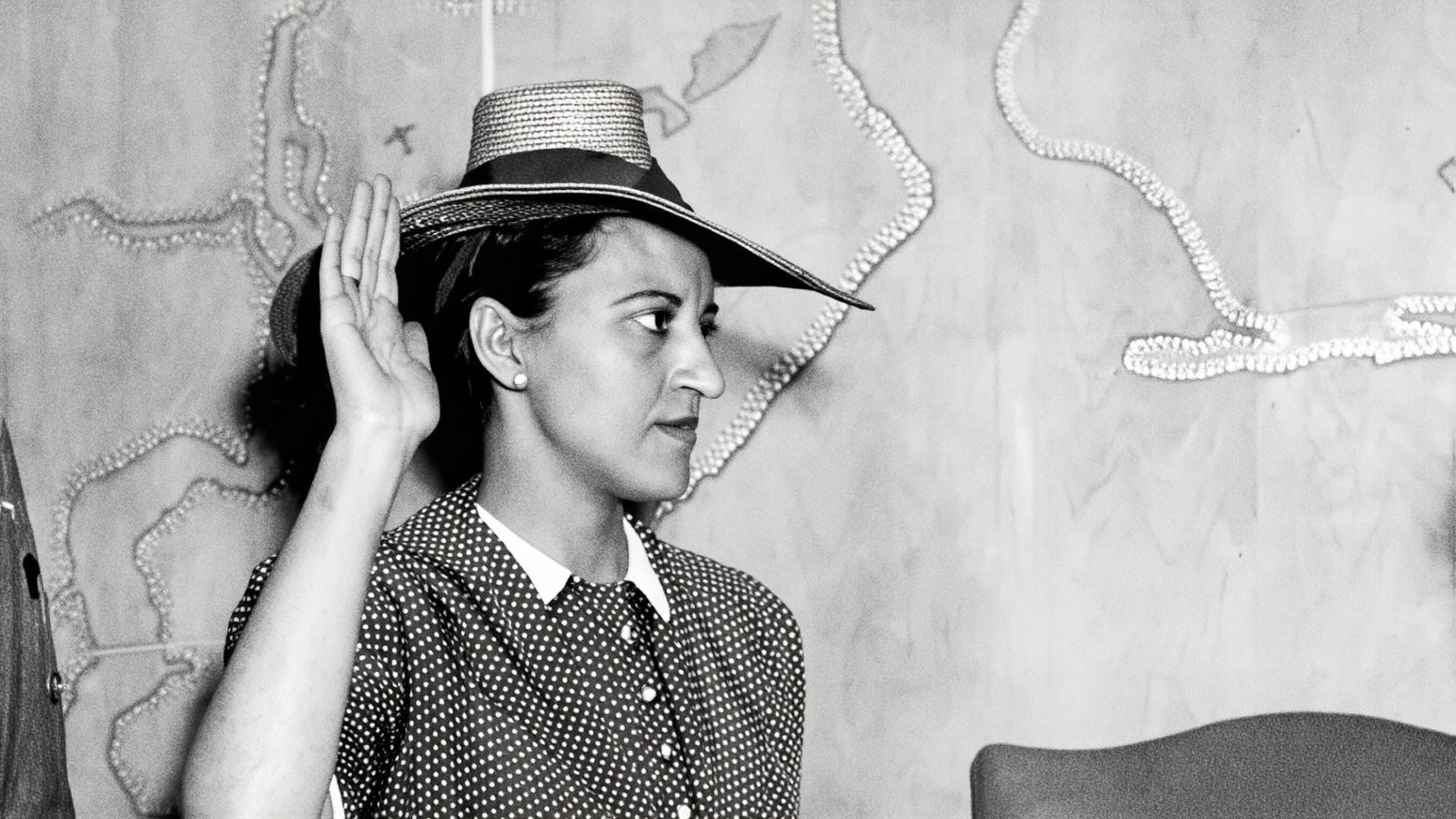

Jane Matilda Bolin was born on 11 April 1908 in Poughkeepsie, New York, the youngest child of Gaius Bolin and Matilda Ingram Emery. Her father was a lawyer and the first Black graduate of Williams College. Her mother was an immigrant from the British Isles. She died when Jane was eight years old. Jane grew up in her father’s law office. She read The Crisis, the NAACP magazine, and saw photographs of lynchings. She decided early that she wanted to study law.
She graduated from Poughkeepsie High School in her early teens. She applied to Vassar College. Vassar did not admit Black students. At sixteen, she enrolled at Wellesley College in Massachusetts. She was one of only two Black freshmen. White students refused to room with her, so she lived off campus with the other Black student. She graduated in 1928 in the top twenty of her class. A career advisor at Wellesley told her not to apply to law school. Jane applied anyway.
In 1931, she became the first Black woman to graduate from Yale Law School. There were only twenty-two Black female attorneys in the entire country at the time. She was one of three women in her class and the only Black woman. Yale did not have dormitories for women, so she boarded in a private home. Southern classmates let doors hit her in the face as they entered and exited classrooms. Professors sometimes refused to call on her. She passed the New York bar exam in 1932 and joined her father’s practice in Poughkeepsie.
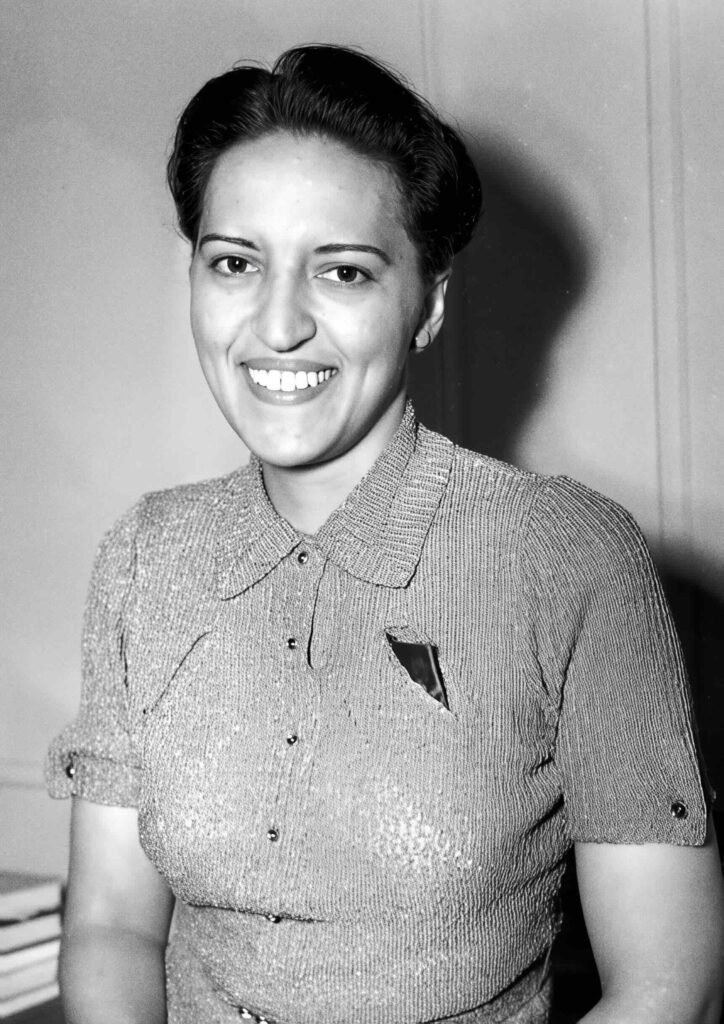
In 1933, she married Ralph Mizelle, an attorney she met at Yale. They moved to New York City and practiced together for five years. Mizelle later became a member of President Franklin Roosevelt’s Black Cabinet. In 1936, Bolin ran for the New York State Assembly as a Republican. She lost, receiving 19.13 per cent of the vote. But the campaign raised her profile in New York politics.

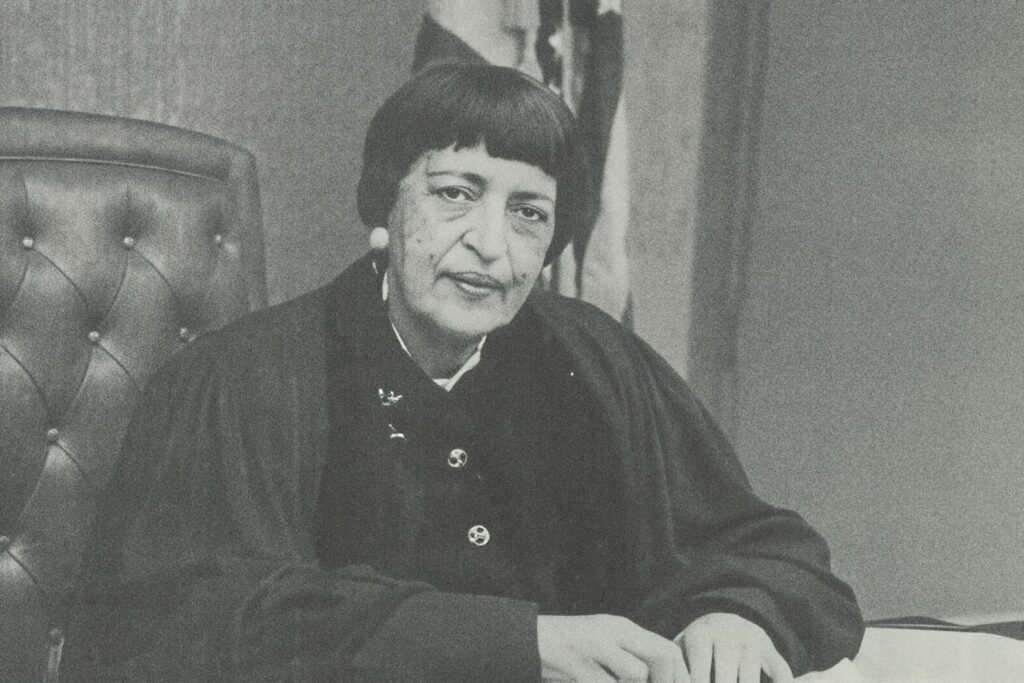
In 1937, she was hired as Assistant Corporation Counsel in the New York City Law Department, the first Black woman to hold that position. She worked in what was then the Domestic Relations Court, handling family and child welfare cases. On 22 July 1939, she was called to appear at the New York World’s Fair. Mayor Fiorello La Guardia swore her in as a judge of the Domestic Relations Court. She was thirty-one years old. She had no idea it was coming. She became the first Black female judge in the history of the United States. For twenty years, she was the only one.
On the bench, Bolin made quiet, structural changes. She ordered that probation officers be assigned without regard to race or religion. She ruled that publicly funded childcare agencies could not refuse children because of their ethnic background. She worked to end segregation in New York’s public housing projects, and is credited with influencing Mayor Robert F. Wagner Jr. to integrate them in 1957. She fought alongside Eleanor Roosevelt to preserve the Wiltwyck School for Boys, a remedial programme serving Black juvenile offenders in upstate New York. (One of its graduates, Floyd Patterson, became world heavyweight boxing champion.)
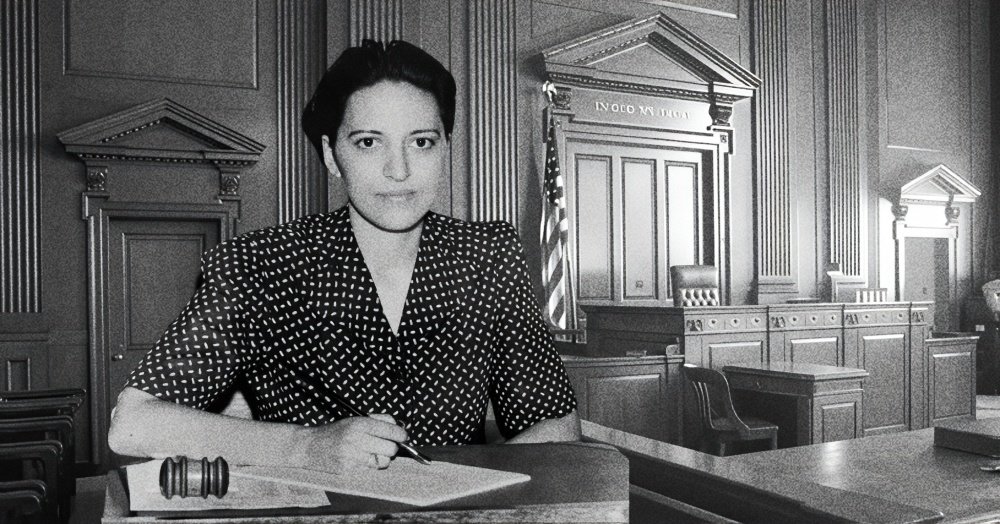
Her appointment was renewed three times. She served under four mayors: La Guardia, William O’Dwyer, Vincent Impellitteri, and Robert F. Wagner Jr. She remained on the bench for forty years, until 1979, when she reached the mandatory retirement age of seventy. She did not want to retire.
In retirement, she volunteered as a reading instructor in New York City public schools, served on the New York State Board of Regents Review Committee, and remained active in community organisations.
She died on 8 January 2007 in Queens, New York. She was ninety-eight years old.
There is no federal building named after Jane Bolin. No national holiday. But in 2011, historian Jacqueline A. McLeod published Daughter of the Empire State: The Life of Judge Jane Bolin, the first full-length biography. A portrait of Bolin by artist Betsey Graves Reyneau hangs in the National Portrait Gallery. Her papers are held by the New York Public Library’s Schomburg Center for Research in Black Culture.
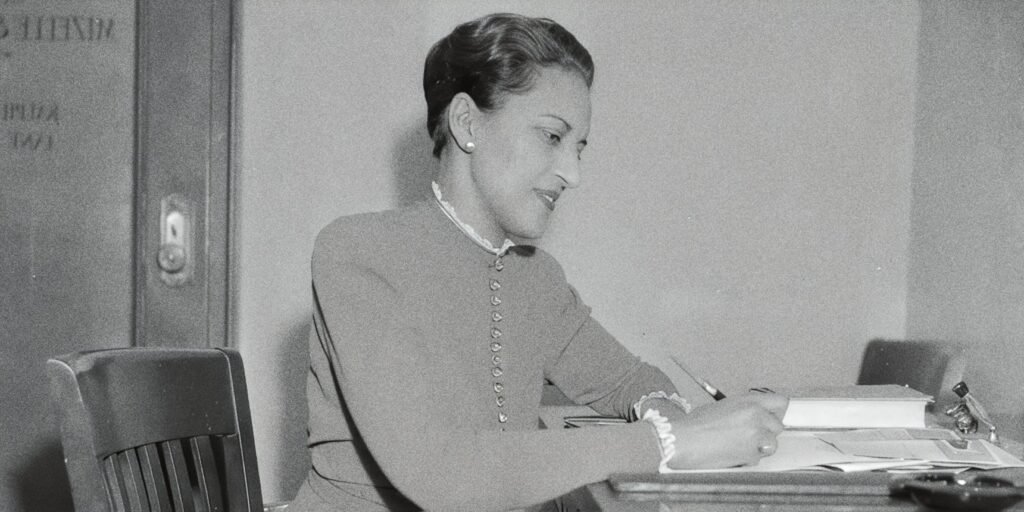
Jane Bolin was not an activist who marched. She was a judge who ruled. She understood that the law could be used as an instrument of change, even when the system that wrote it was designed to exclude her. She spent four decades proving that a Black woman on the bench could transform an institution from within, one decision at a time.
She was the first. For twenty years, she was the only. And when she left, the court was not the same as when she entered.
Sources:
1. Jacqueline A. McLeod, Daughter of the Empire State: The Life of Judge Jane Bolin (University of Illinois Press, 2011)
2. Yale Law School, “Historical Profile: Jane Matilda Bolin ’31”
3. Wikipedia, “Jane Bolin”
4. biography.com, “Jane Bolin”
5. Historical Society of the New York Courts, “Judge Jane Bolin”
6. New York Public Library / Schomburg Center, “Jane Matilda Bolin Papers”
7. Wellesley College archives
8. Mississippi Today, “1939: Jane Bolin becomes first Black female judge in the U.S.” (2024)
9. Hudson Valley One, “Poughkeepsie pioneer: Meet Jane Bolin” (2020)
10. The Clerk’s Black History Series, “Jane Bolin”