
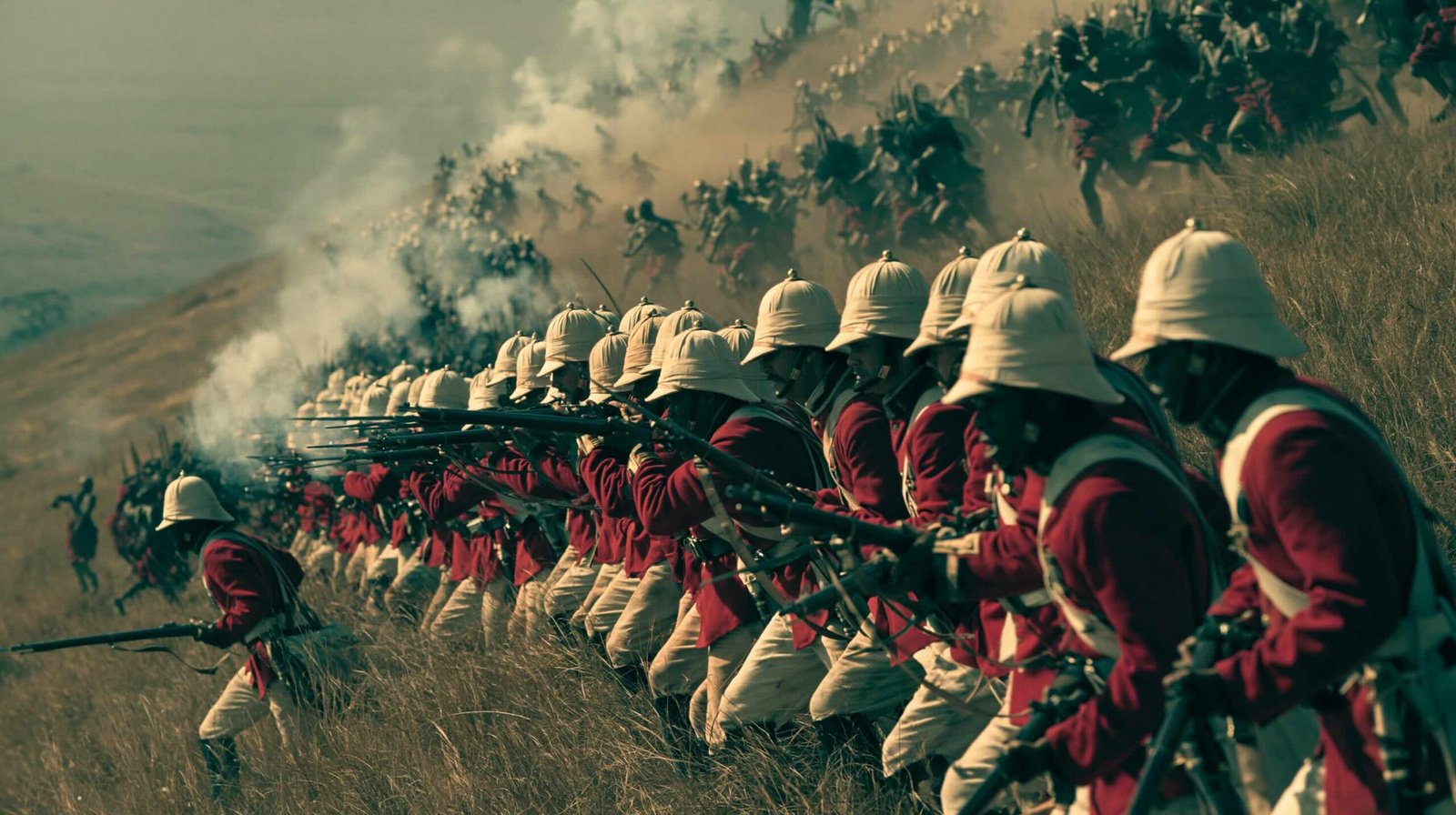

The British Empire had a rule. Native armies did not beat trained European soldiers. Everyone believed this. The Zulus did not read the rule.On 22 January 1879, around 20,000 Zulu warriors attacked a British camp at the base of a mountain in Zululand. By the end of the day, over 1,300 British and colonial soldiers were dead. The worst defeat the British Army suffered against an indigenous force in the entire Victorian era.
How it happened is not complicated. The British wanted a unified federation of white colonies in southern Africa. The independent Zulu Kingdom stood in the way. Sir Henry Bartle Frere, the British High Commissioner, wanted war and he wanted it fast. He sent King Cetshwayo an ultimatum on 11 December 1878. The terms were deliberately impossible. Cetshwayo could not accept them without dismantling the Zulu state. He refused. Frere ordered the invasion.
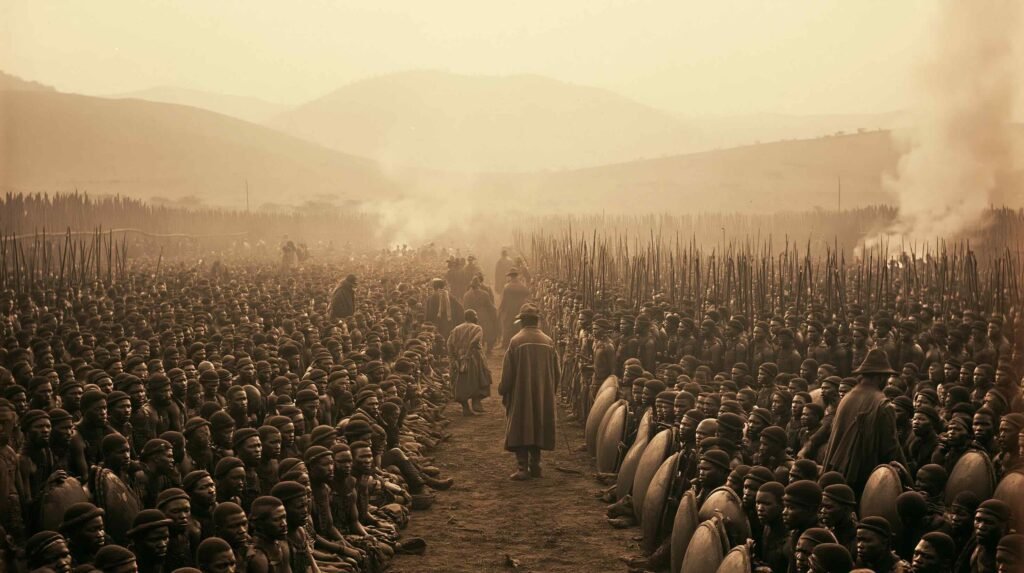
Lord Chelmsford led three columns across the Buffalo River into Zululand on 11 January. His strategy was to find the Zulu army and destroy it in a single pitched battle. He underestimated the Zulus in every way a commander can underestimate an enemy. On the morning of 22 January, Chelmsford made the decision that doomed his men. He split his force. He took around 2,500 troops and marched east, convinced the Zulu army was ahead of him. He left about 1,700 men camped at the foot of the Isandlwana mountain under Lieutenant Colonel Henry Pulleine. He did not order them to form a defensive laager. He did not order them to dig trenches. He expected nothing to happen.
The Zulu army was already there. A force of 20,000 to 25,000 warriors under Chiefs Ntshingwayo kaMahole and Mavumengwana kaNdlela had moved into the hills around Isandlwana. The Zulus had been marching for days. They had observed the British camp. They had waited for Chelmsford to leave. The attack came at midday. The Zulus came in the buffalo horns formation perfected by Shaka generations earlier. The chest hit the British front directly. The right horn swept around the British left flank. The left horn circled behind the camp to cut off escape. The British had Martini-Henry rifles. They had two 7-pounder cannons. They fired volley after volley and killed hundreds of Zulus. But the horns kept closing.

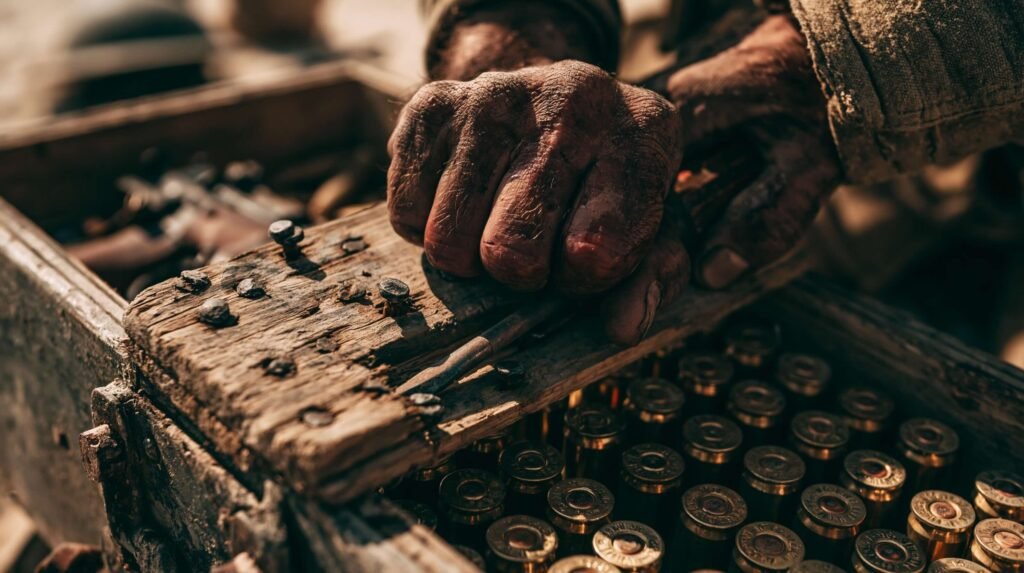
There was a fatal problem with the ammunition. The boxes holding the rifle cartridges were nailed and screwed shut. The quartermaster had not loosened them before the battle. Soldiers could not break them open fast enough. As the firing line exhausted its ammunition, the gaps appeared. The Zulus pushed through.
Colonel Durnford, who had arrived that morning with mounted troops, tried to hold the left flank. It collapsed. The British line broke. The Zulus overran the camp. Most of the British force was killed in the camp or running for the Buffalo River. 52 officers died. Over 800 white soldiers. 343 African auxiliaries. The bodies were not buried for weeks. The battlefield was left as it fell.
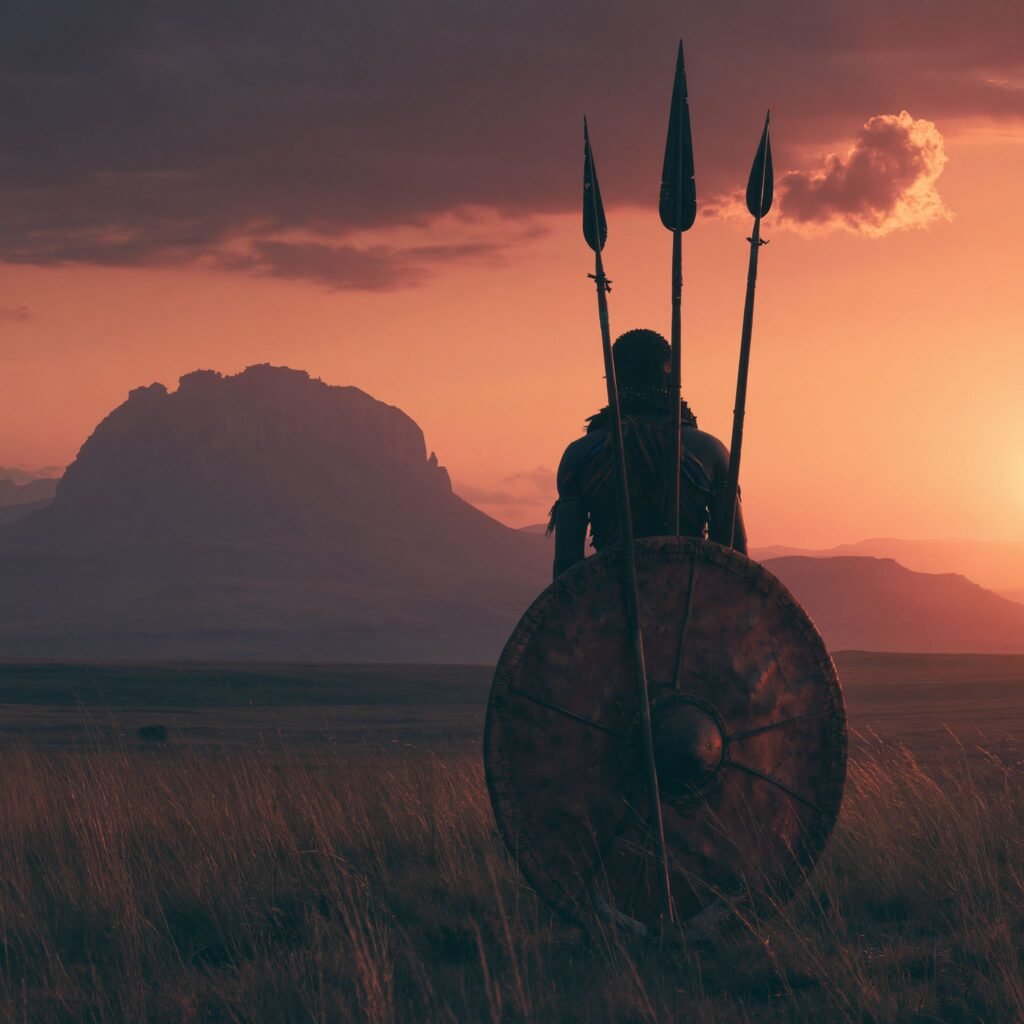
The news hit London like an explosion. The government was in crisis. Queen Victoria wrote in her diary that it was a terrible loss. The British public could not process what had happened. A native army with spears and cowhide shields had destroyed a modern European force. The British recovered. They sent reinforcements. They burned the Zulu capital at Ulundi in July and exiled Cetshwayo. They won the war. But Isandlwana was never forgotten. It is still studied in military academies as a case study in overconfidence and the cost of underestimating an enemy.
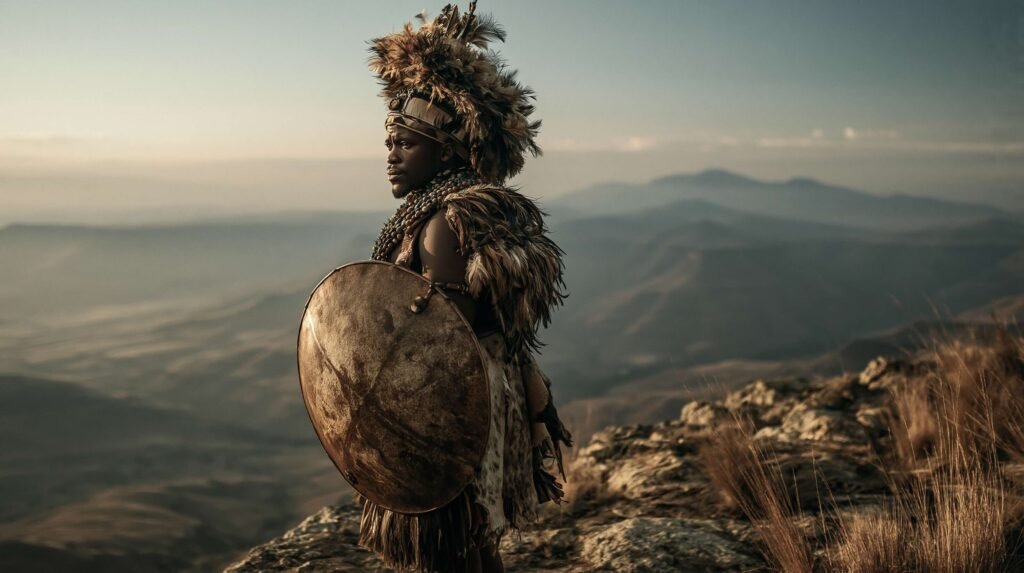
What the Zulus did on that day was not a miracle. It was discipline. They outmanoeuvred a technologically superior force using tactics their ancestors had perfected. They took heavy losses and kept coming. They did what the British assumed could not be done.
Sources
Wikipedia, “Battle of Isandlwana”
World History Encyclopedia, “Battle of Isandlwana: The Zulu Victory over the British Empire” (worldhistory.org)
BritishBattles.com, “Battle of Isandlwana”
Knight, Ian, “Sunrise of the Zulu War” (Greenhill Books, 2000)
Anglo Zulu War Historical Society, “Isandlwana” (anglozuluwar.com)