
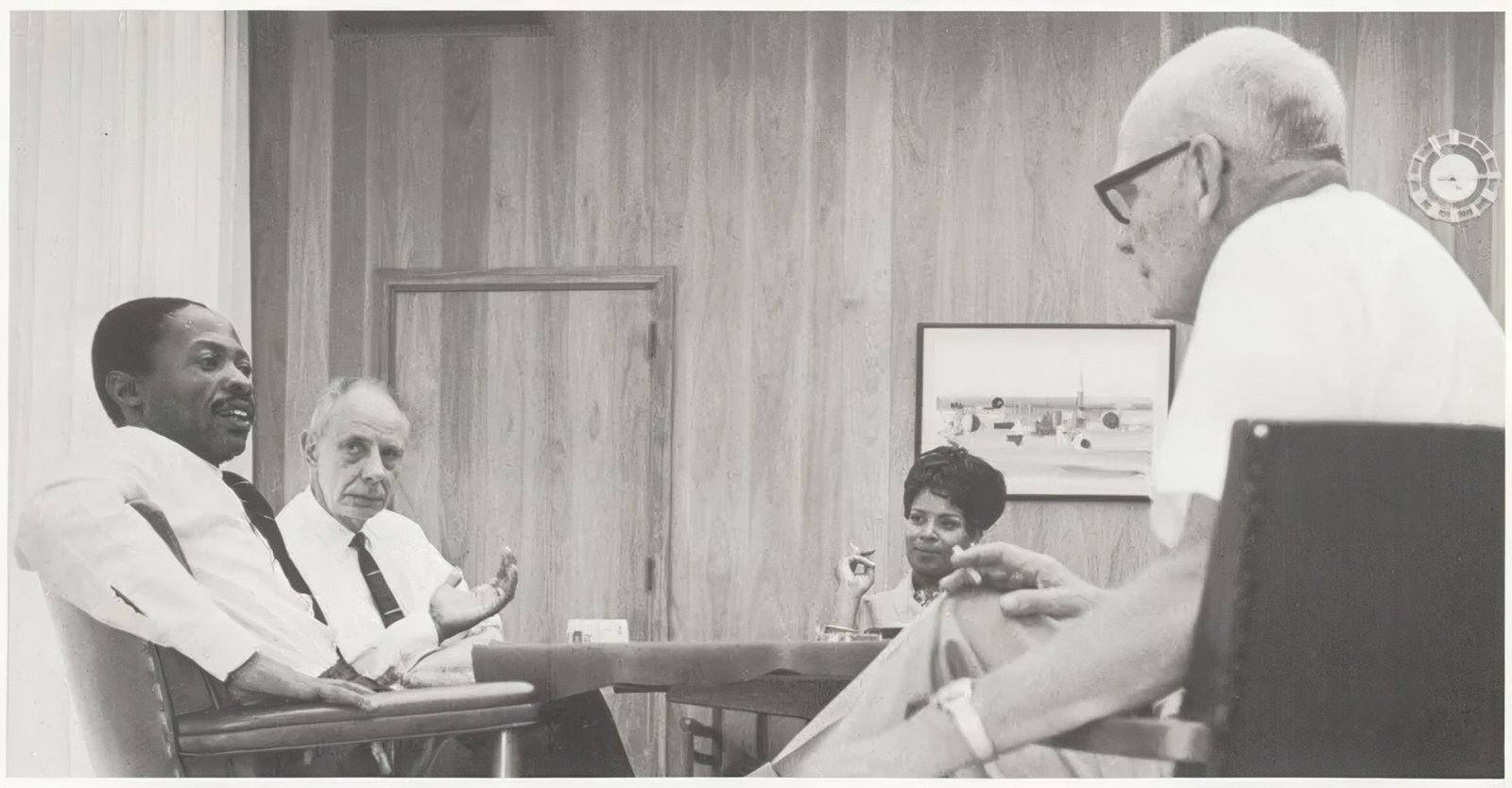

The facts, then. Roy Clay Sr. was born on August 22, 1929, in Kinloch, Missouri, the oldest incorporated African-American community in the state. His family had no running water and a toilet until he was 12. He did his schoolwork by candlelight. Despite experiencing racism throughout his childhood, his mother told him: “You will face racism the rest of your life, but don’t ever let that be a reason why you don’t succeed”.
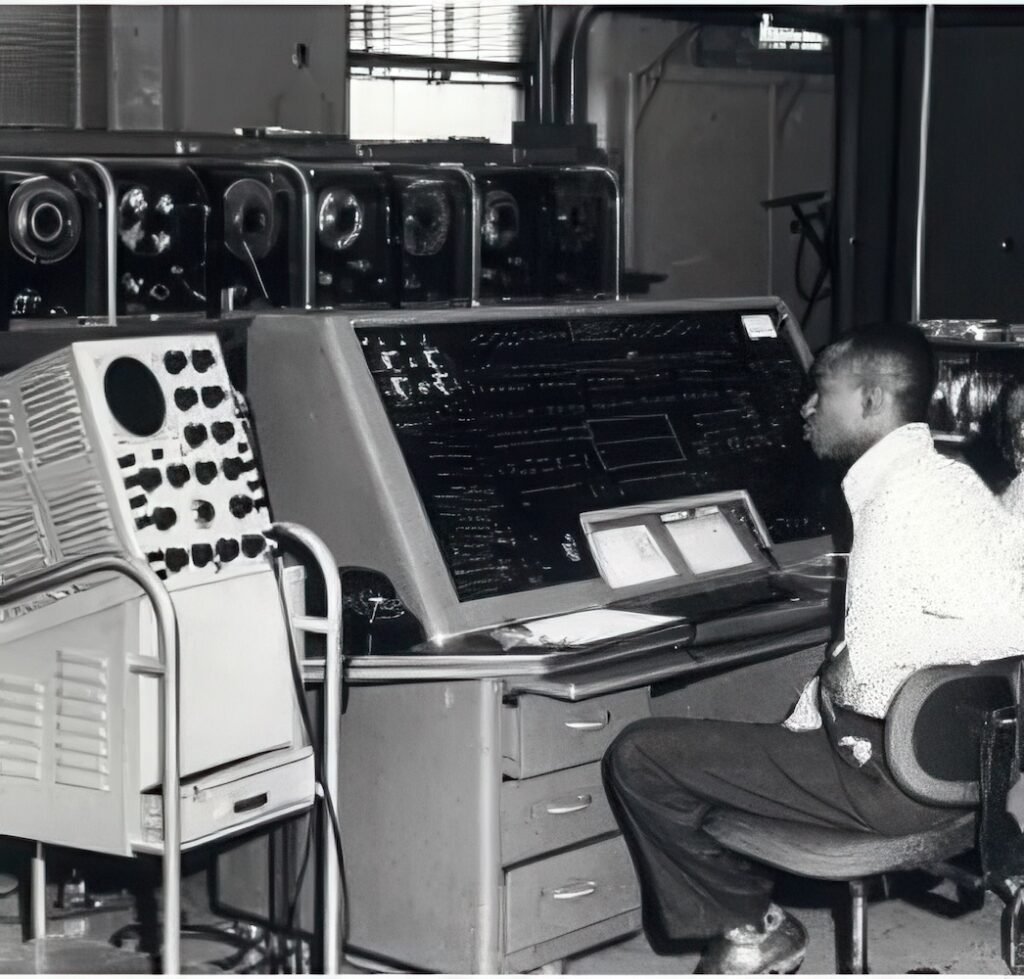
He became one of the first African-Americans to graduate from Saint Louis University, earning a bachelor’s degree in mathematics in 1951 . But his credentials did not protect him from discrimination. At a job interview for McDonnell Aircraft, he was taken aside and told: “Mr. Clay, I’m very sorry, we don’t hire professional Negroes”.
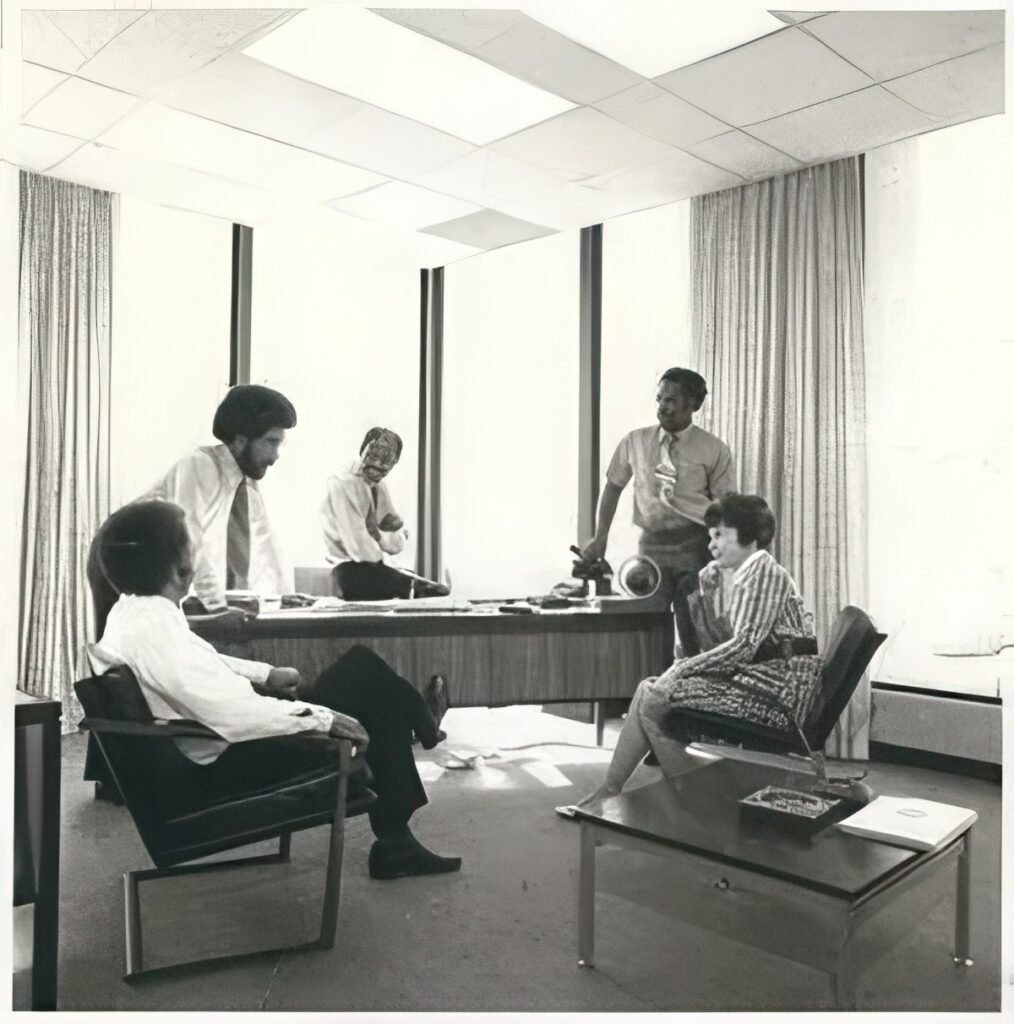
He taught himself to code. In 1958, he was a programmer at Lawrence Livermore National Laboratory, working on radiation tracking software to map the aftermath of a nuclear explosion. His work caught the attention of David Packard, co-founder of Hewlett-Packard. In 1965, Packard recruited Clay to set up HP’s computer division.
Clay led the team that developed the HP 2116A, HP’s first computer and only the second 16-bit computer on the market. He was the first director of the HP R&D Computer Group and the highest-ranking African-American at the company. He was among the first to recruit from historically Black colleges and universities. He was also among the first to design flexible work schedules, a policy that became known as “flex time”.

In 1971, Clay left HP to form a consulting business. He advised venture capital firm Kleiner Perkins on investments that became tech giants like Intel and Compaq. In 1977, he founded ROD-L Electronics, a manufacturer of electrical safety test equipment. At one point, it was one of the largest employers of Black professionals in Silicon Valley.
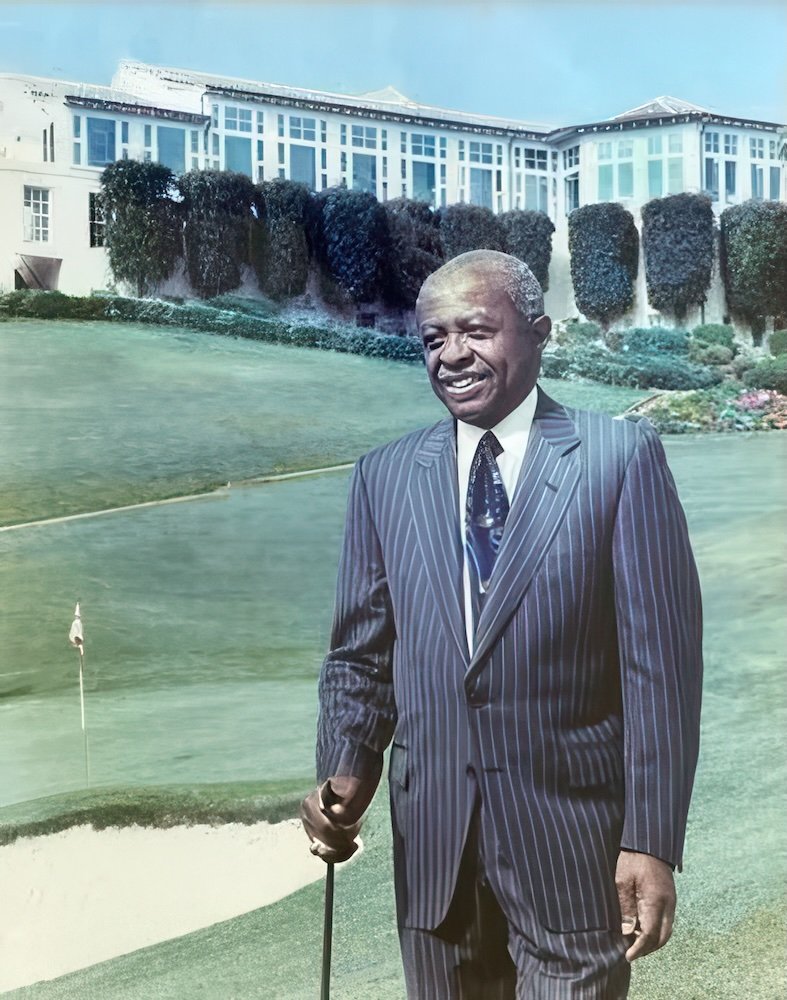
Clay was also the first African-American elected to the Palo Alto City Council in 1973 and served as vice mayor in 1976. He was the first African-American member of the Olympic Club in San Francisco . He received a death threat after joining but stayed, inspired by his wife’s reminder of Jackie Robinson. In 2003, he was inducted into the Silicon Valley Engineering Council Hall of Fame.
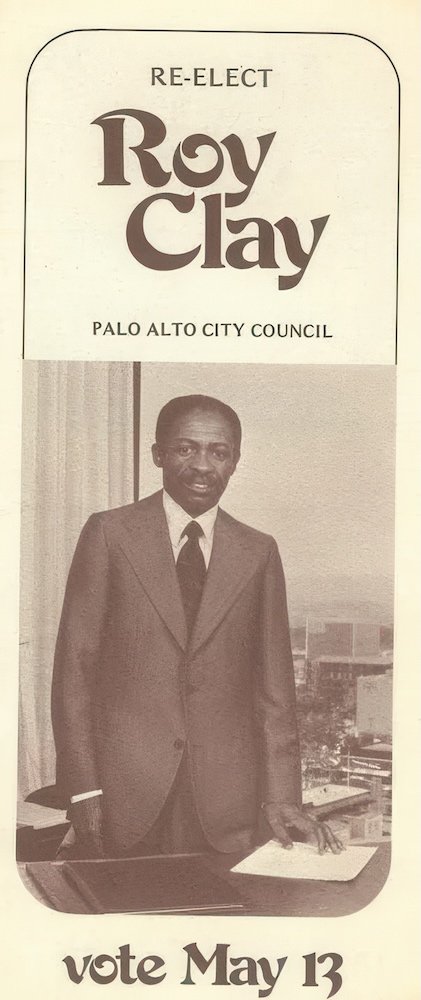
Roy Clay Sr. died on September 22, 2024, at age 95 . He was called the “Godfather of Silicon Valley”. He was a technical genius who broke racial barriers and recruited generations of diverse talent. And he lived by his mother’s advice: never let racism be a reason you don’t succeed.
Sources:
- Wikipedia – Roy Clay (2020)
- USA Today – Roy Clay Sr. dies at 95 (2024)
- MNIT – African American Leaders in Tech: Part 2 (2020)
- Black Enterprise – A Forefather to the Modern Day Personal Computer (2015)
- Barnes & Noble – Unstoppable: The Unlikely Story of a Silicon Valley Godfather (2022)
- Forbes – From Ferguson To Silicon Valley (2015)
- USA Today – The race to save Silicon Valley’s untold Black history (2023)
- CBS News – Sons of “Godfather of Silicon Valley” create children’s book (2025)
| Key Fact | Source & Context | Status |
| Born August 22, 1929, in Kinloch, Missouri | Wikipedia ; Library of Congress ; Black Enterprise ; Amazon author bio | Verifiable |
| Kinloch was the oldest African-American community incorporated in Missouri | Wikipedia | Verifiable |
| One of the first African-Americans to graduate from Saint Louis University with B.S. in mathematics in 1951 | USA Today ; Wikipedia ; Library of Congress ; Black Enterprise ; Minnesota IT Services | Verifiable |
| Grew up in Ferguson school system during segregation; did schoolwork by candlelight; family had no running water or toilet until he was 12 | USA Today | Verifiable |
| His mother’s advice: “You will face racism the rest of your life, but don’t ever let that be a reason why you don’t succeed” | Wikipedia ; Minnesota IT Services ; Black Enterprise | Verifiable |
| First job was as a school teacher after graduating | Wikipedia ; Everipedia | Verifiable |
| At interview for McDonnell Aircraft Corporation, told “no jobs for professional Negroes” | USA Today ; Wikipedia ; Black Enterprise | Verifiable |
| Worked as a computer programmer for McDonnell Aircraft Corporation in 1956 | USA Today ; Wikipedia ; Everipedia | Verifiable |
| In 1958, worked at Lawrence Livermore National Laboratory writing radiation tracking software to map nuclear explosion aftermath | USA Today ; Wikipedia ; Everipedia ; Amazon author bio | Verifiable |
| Worked at Control Data Corporation, creating new Fortran compilers | Wikipedia ; Everipedia | Verifiable |
| Joined HP in 1965, recruited by David Packard to set up the computer division | USA Today ; Wikipedia ; FCC ; Black Enterprise | Verifiable |
| Led the team that developed the HP 2116A, HP’s first computer | Wikipedia ; USA Today ; FCC ; Black Enterprise | Verifiable |
| Only the second 16-bit computer on the market | Wikipedia ; Minnesota IT Services ; Black Enterprise | Verifiable |
| First Director of HP R&D Computer Group; highest-ranking African-American at HP | Wikipedia ; Black Enterprise ; Everipedia | Verifiable |
| Among the first to recruit from Historically Black Colleges and Universities, such as Morehouse College | USA Today ; Wikipedia ; FCC | Verifiable |
| Pioneered flexible work schedules (“flex time”) | USA Today ; Wikipedia | Verifiable |
| Left HP in 1971; advised Kleiner Perkins on investments in Intel, Compaq, and Tandem Computers | Wikipedia ; Everipedia ; Black Enterprise | Verifiable |
| Founded ROD-L Electronics in 1977 | Wikipedia ; Library of Congress ; FCC ; Everipedia | Verifiable |
| Developed automated Dielectric Withstand (Hipot) Test | Minnesota IT Services | Verifiable |
| First African-American elected to Palo Alto City Council (1973); Vice Mayor (1976) | USA Today ; Wikipedia ; Minnesota IT Services ; Library of Congress | Verifiable |
| First African-American member of Olympic Club (1989) | Wikipedia ; Everipedia ; Minnesota IT Services | Verifiable |
| Received death threat after joining Olympic Club; wife Virginia reminded him of Jackie Robinson and he stayed | Palo Alto Online (referenced in Wikipedia sources) | Verifiable |
| Inducted into Silicon Valley Engineering Council Hall of Fame (2003) | Wikipedia ; FCC ; Minnesota IT Services ; Everipedia | Verifiable |
| Published memoir “Unstoppable: The Unlikely Story of a Silicon Valley Godfather” in 2022 | USA Today ; Library of Congress | Verifiable |
| Died September 22, 2024, aged 95 | USA Today ; Wikipedia | Verifiable |