

The Panama Canal is one of those subjects people bring up to prove human genius. A channel cut through a continent. A passage between two oceans. An engineering marvel. What they rarely mention is who cut it.
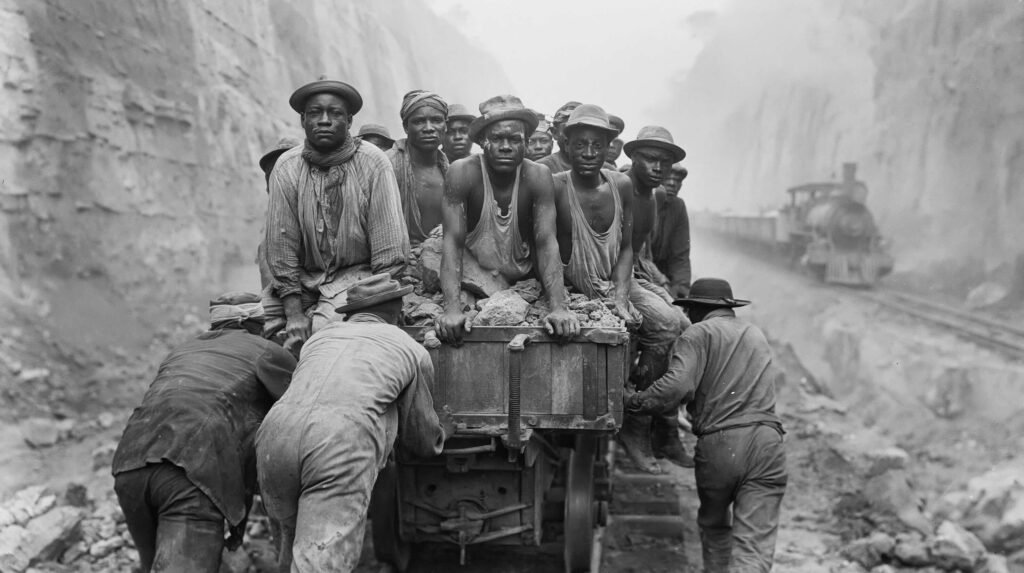
The man who set the dynamite charges in the Culebra Cut was probably from Jamaica. His name was not recorded. The man who ran the steam shovel was probably from Barbados. His name was not recorded either. The man who carried the rock out on a train, the man who laid the tracks, the man who dug the drainage ditches so the workers would not drown in mud all of those names were not recorded. The system was designed that way. The Gold Roll and Silver Roll system was created by the Isthmian Canal Commission, the US body that oversaw the canal’s construction. Every worker was classified by race. White workers were gold. Black workers were silver. The gold roll had a separate pay office, separate housing, separate hospitals, and separate cemeteries. The silver roll had everything else. The two groups did not mix. They were not supposed to.
The wage difference was not subtle. A gold roll carpenter was paid between 60 cents and $1.20 per hour. A silver roll carpenter, doing the same job, was paid 20 cents per hour. The gold roll worker had paid vacation. The silver roll worker did not. When a silver roll worker got sick, his pay stopped. When a gold roll worker got sick, his pay continued. The men who came from the Caribbean knew what they were walking into. Many had worked on railroad projects in Cuba, Costa Rica, and Ecuador. They knew the wages were low and the conditions were dangerous. But the alternative was staying in colonies where land ownership was concentrated in white hands and wages were even lower. So they came.
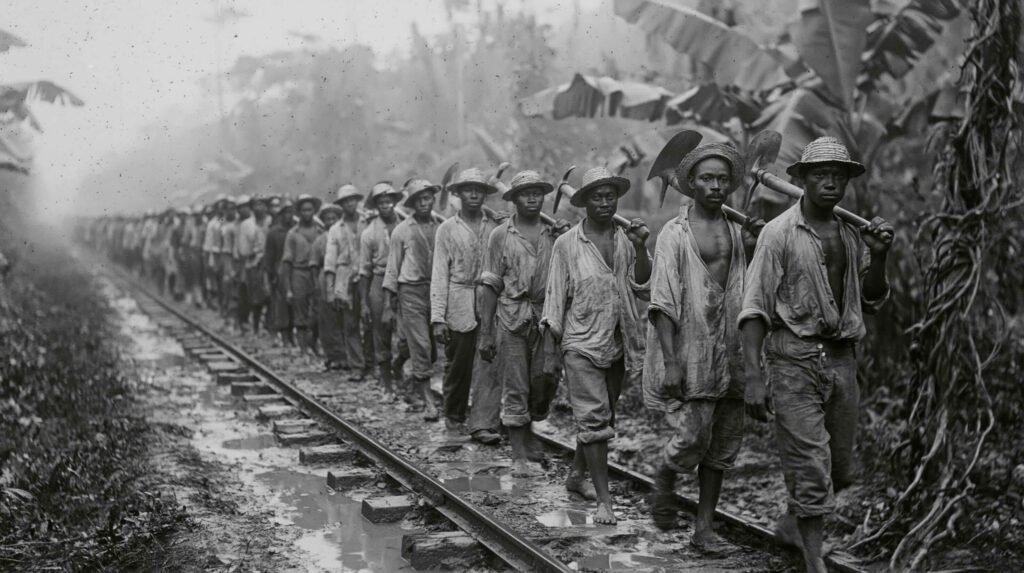
The migration was not all men. Women came too, mostly as domestic workers, seamstresses, and market sellers. They built the social fabric of the West Indian communities in Panama. They ran churches. They ran schools. They ran mutual aid societies. The Panama Canal was built by families, not just labourers. The work itself was brutal. The Culebra Cut, now called the Gaillard Cut, was the single most dangerous section. It required blasting through rock and shale. Landslides were common. Men were buried alive. Dynamite charges misfired. The official accident records are incomplete, but the mortality rate for West Indian labourers was approximately 3% per year during the American phase. That is three times the rate for white workers.

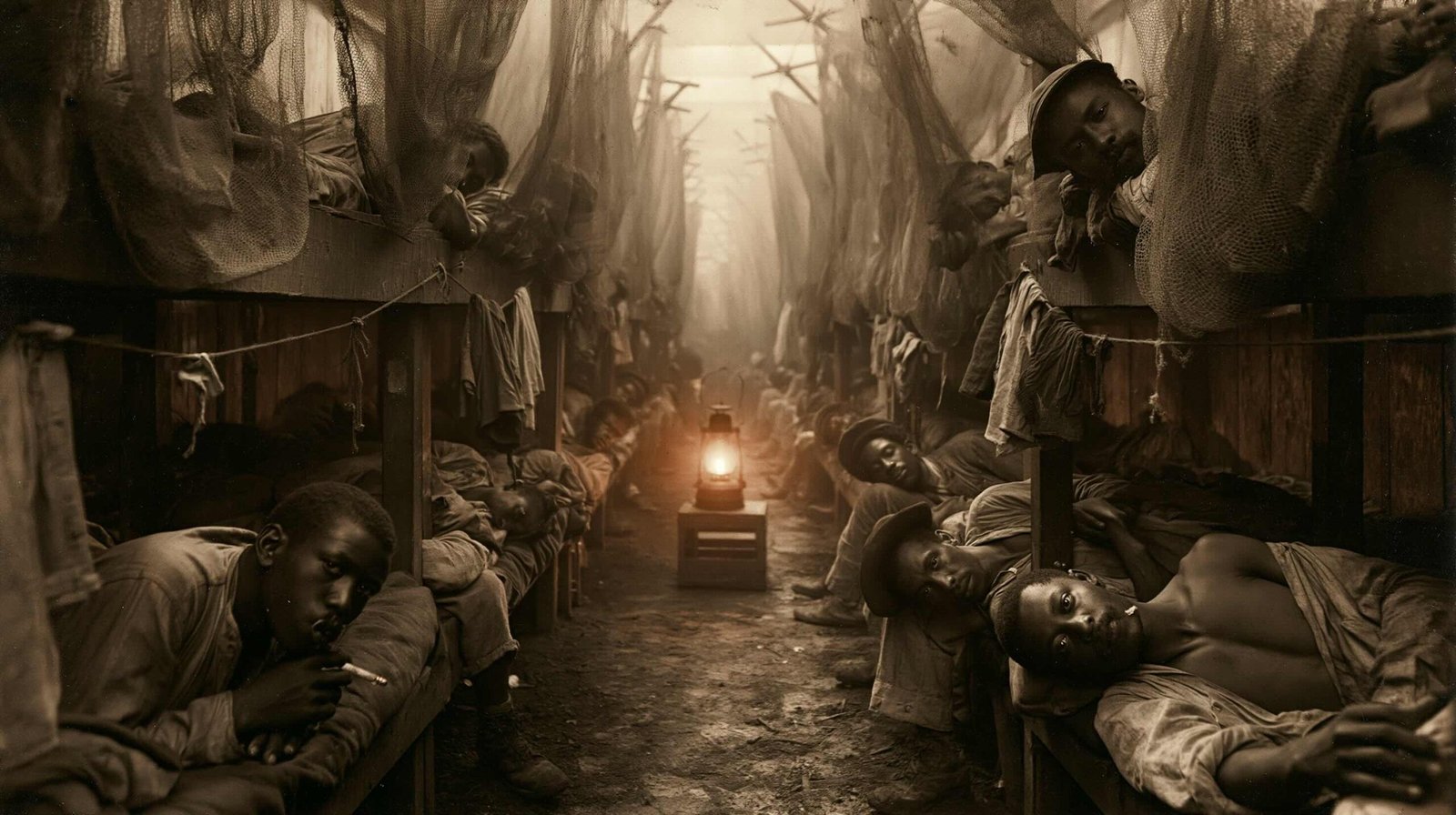
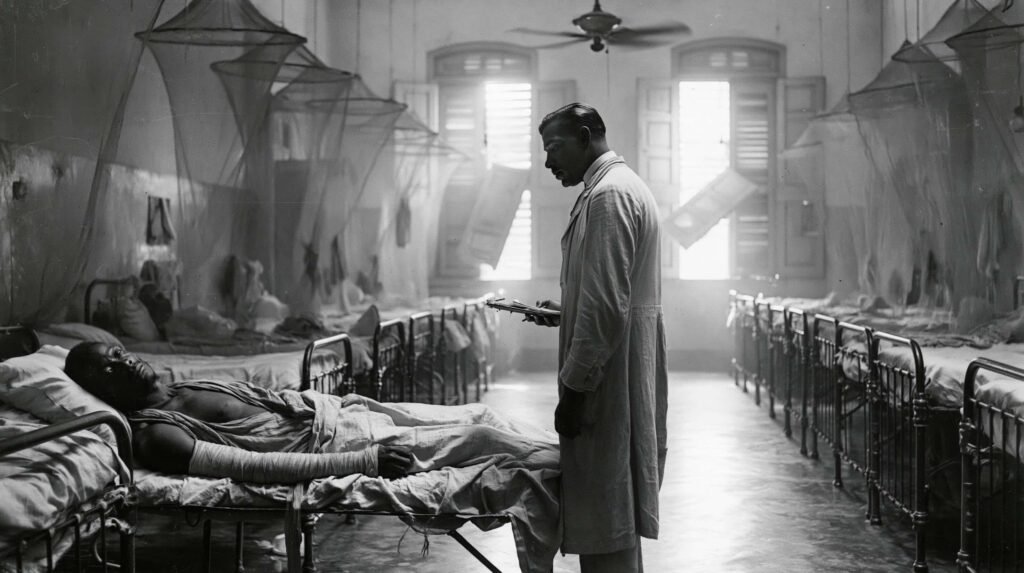
Dr Gorgas deserves credit for the mosquito campaign that stopped yellow fever and malaria. But the silver workers still died from pneumonia, tuberculosis, dysentery, and workplace accidents. Their living conditions caused many of the diseases. They slept in barracks with dirt floors and open drainage. The water supply was contaminated. The food was inadequate. When the canal opened on 15 August 1914, the official celebration was modest because World War I had just begun. There was a brief ceremony at the Culebra Cut. The US president at the time, Woodrow Wilson, pressed a button in Washington that triggered the explosion opening the canal. No West Indian representative spoke. No monument to the workers was dedicated. The silver men were told to go home or stay in the Canal Zone as second class residents.
The ones who stayed became the foundation of Panama’s Afro Caribbean community. They formed organisations like the Panama West Indian Welfare Association. They built churches that still stand. They published newspapers. They preserved their history in ways the official records did not. It took until 2020 for UNESCO to add the Silver Men archive to the Memory of the World register. The archive includes letters, pay slips, contracts, hospital records, and photographs collected by Velma Newton and others. It is held at the University of the West Indies at Cave Hill in Barbados.
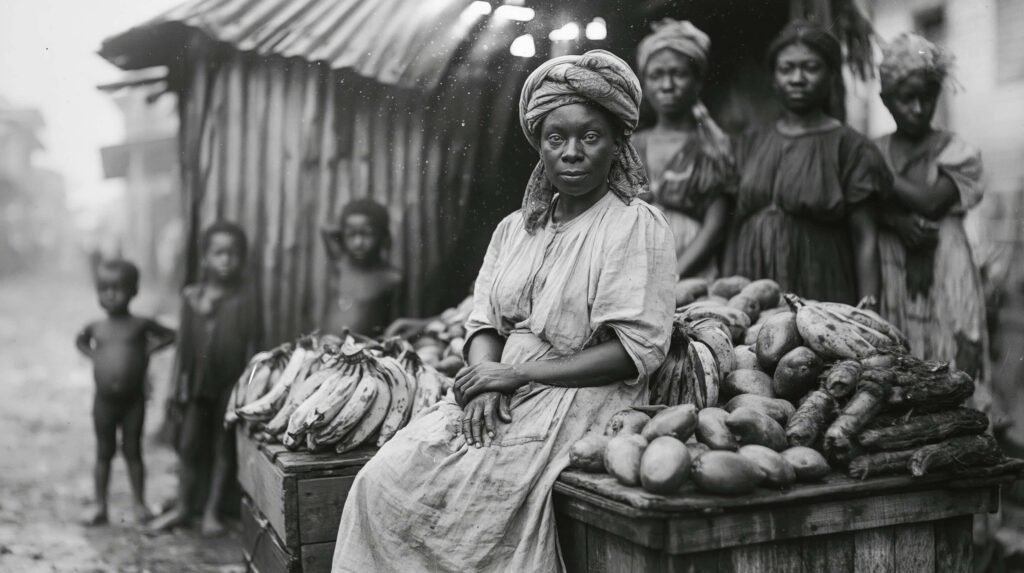
The men themselves are gone. But the canal still stands. Next time you see a photograph of the Panama Canal, look at the men on the edge of the frame. Those are the Silver Men. And they are the reason the water flows.
Sources:
1. Velma Newton, *The Silver Men: West Indian Labour Migration to Panama, 1850-1914* (1984, 2004)
2. Michael L. Conniff, *Black Labor on a White Canal: Panama, 1904-1981* (1985)
3. David McCullough, *The Path Between the Seas* (1977)
4. UNESCO Memory of the World, “The Silver Men: West Indian Labourers at the Panama Canal, 1880-1914” nomination (2020)
5. Sir Ronald Sanders, “Silver Men and Women in the Construction of the Panama Canal” (2023)
6. Panama Canal Authority historical records
7. Library of Congress, Panama Canal collection