
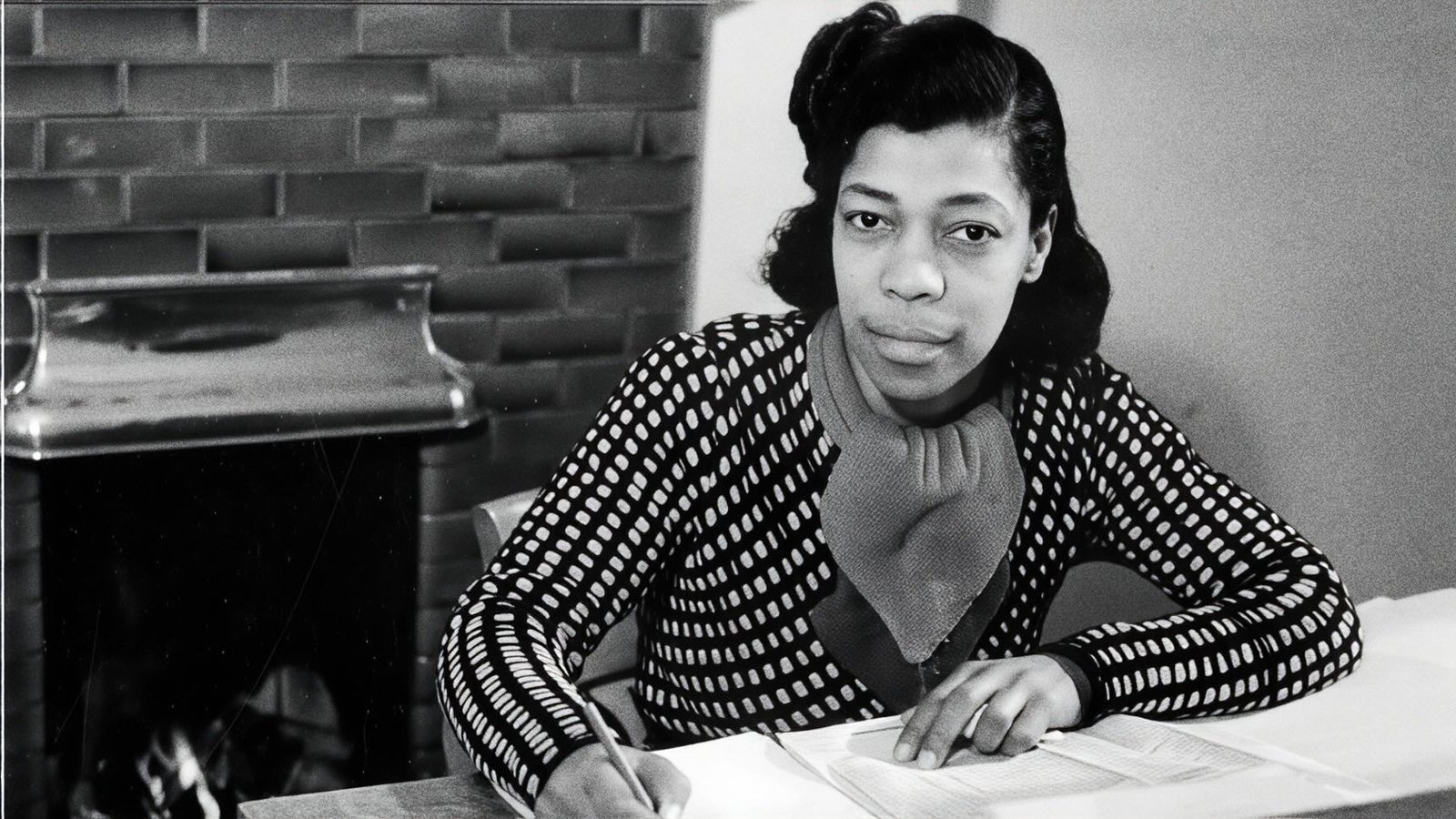

Una Maud Victoria Marson was born on 6 February 1905 in Santa Cruz, Jamaica, the youngest of six children. Her father was a Baptist parson. Her mother died when she was seventeen. She learned stenography at Hampton High School and found work with the Salvation Army and the YMCA. By 1928, she had founded The Cosmopolitan, Jamaica’s first magazine edited and published by a woman. It urged women to work, to vote, to be politically active. It published poetry and short stories. It was aimed at middle-class Black professional women. It lasted three years until financial difficulties forced it to close.
She published two poetry collections, Tropic Reveries (1930) and Heights and Depths (1931), and won a Musgrave Medal. Her first play, At What a Price, opened in Kingston in 1932 to critical acclaim. It was about a Jamaican woman who moves to Kingston for work and falls in love with her white male boss. It was produced in London the following year by the League of Coloured Peoples, becoming the first Black colonial production in the West End. London in 1932 was not welcoming. Marson could not find secretarial work because agencies refused to register Black women. Children shouted racial slurs at her in the street. She wrote a poem called “Nigger” for The Keys, the journal of the League of Coloured Peoples, where she served as editor. She stopped straightening her hair and wore it natural.
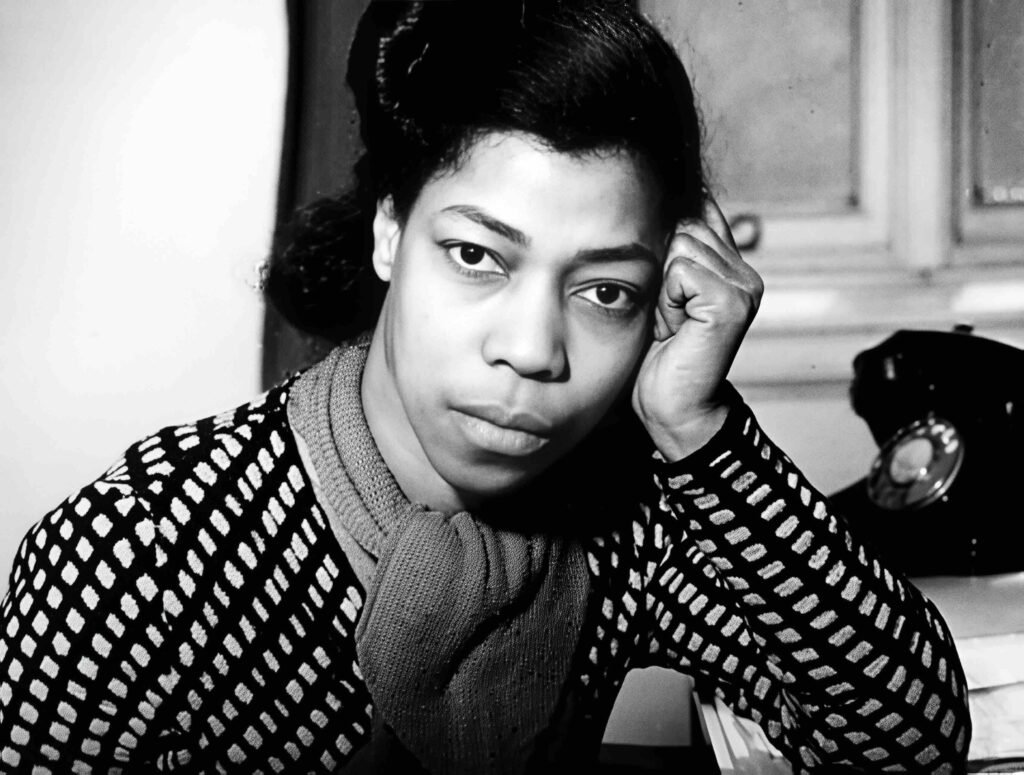
But she built connections. She knew everyone. Paul Robeson. Sylvia Pankhurst. Nancy Cunard. Jomo Kenyatta. Marcus Garvey. Winifred Holtby. She was the first Jamaican to address the International Alliance of Women in Istanbul in 1935. She was the first Black woman invited to the League of Nations. When Italy invaded Abyssinia, she became secretary to Emperor Haile Selassie during his London visit and travelled with him to Geneva. The workload broke her. She had a nervous breakdown and returned to Jamaica in 1936.
Back in Jamaica, she continued writing. She published The Moth and the Star in 1937, a collection that told Black women to be confident in their own beauty. She wrote poems like “Kinky Hair Blues” and “Little Brown Girl.” She helped found the Kingston Readers and Writers Club and the Kingston Drama Club. She raised money for the Jamaica Save the Children Fund. She staged her most important play, Pocomania, about an Afro-Jamaican religious cult.

In 1938, she returned to London. In March 1941, the BBC hired her. She was thirty-six years old. Her job was to work on Calling the West Indies, a programme that allowed West Indian soldiers serving in Britain to send recorded messages to their families back home. Thousands of men from Jamaica, Barbados, Trinidad, and the rest of the Caribbean had volunteered to fight for Britain. Many had never been away from home before. The programme was a lifeline.
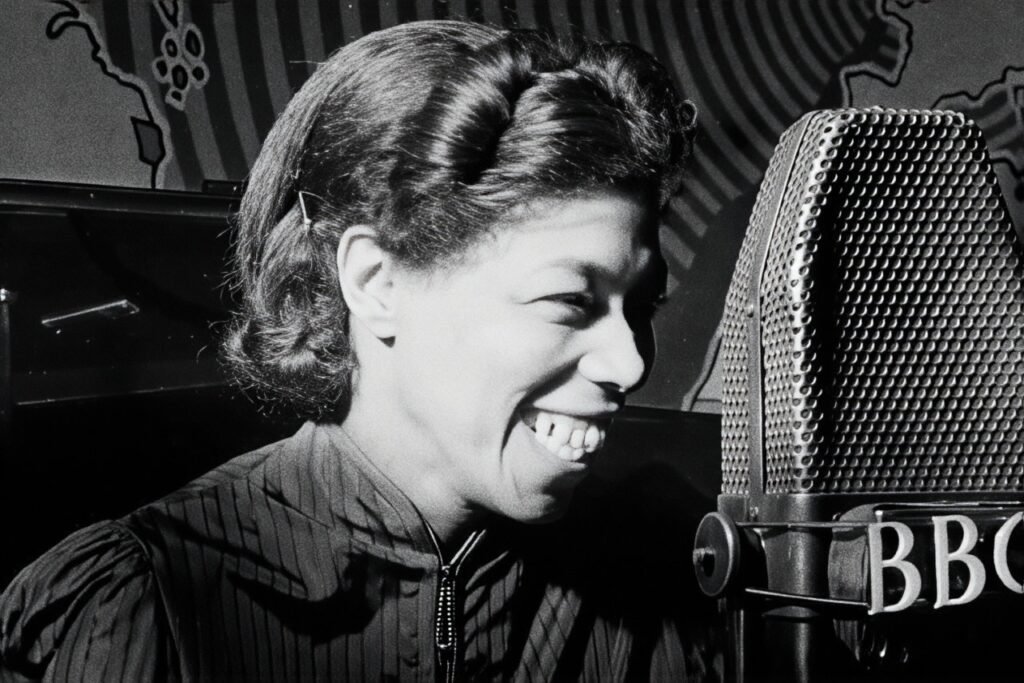
By 1942, she was the producer. By 1943, she had turned it into Caribbean Voices, a weekly literary programme that broadcast poems and short stories by Caribbean authors. She found writers who had never been published before. She gave them an international platform. George Lamming, Sam Selvon, Andrew Salkey, and Edward Kamau Brathwaite all appeared on her show. These became the founding voices of Caribbean literature.
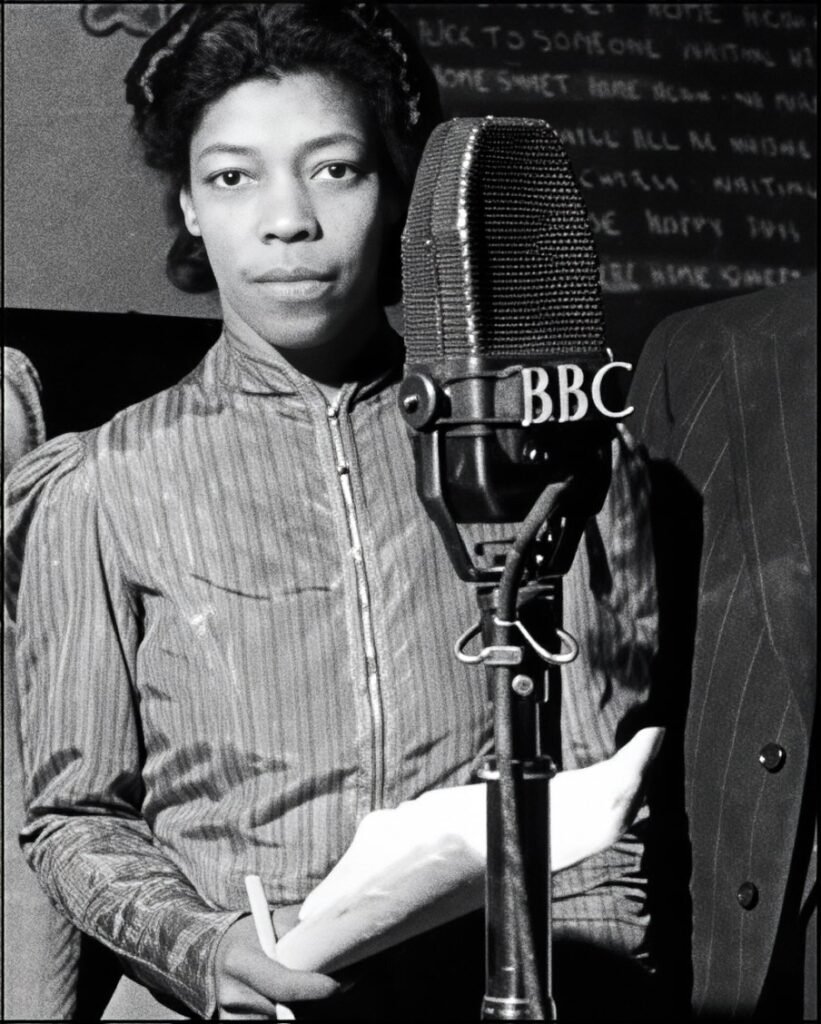
Her BBC managers wrote privately that she was “an excellent producer.” George Orwell helped her edit the programme. T. S. Eliot appeared on it. She built a community of writers across the Caribbean, with local editors in Kingston, Guyana, and the Bahamas sending in new work each week. But she was struggling. The war had ended. The programme she built was growing beyond her. In May 1946, the BBC diagnosed her with schizophrenia. They granted her exceptional sick leave and helped her return to Jamaica.
She never came back. Caribbean Voices continued without her until 1958 under producer Henry Swanzy. It remained a vital force in Caribbean literature. Marson’s name was gradually removed from its history. After Jamaica, she worked briefly as organising secretary for Pioneer Press, the publishing arm of the Gleaner newspaper. She travelled around the Caribbean, the United States, and Israel. In 1960, she married an African-American dentist briefly and secretly. She suffered a heart attack and died on 6 May 1965 in Kingston.
An unmarked grave. For decades, her name was absent from BBC histories. Her books were out of print. Her pioneering role was forgotten. Then, slowly, recognition came. In 2009, English Heritage installed a blue plaque at The Mansions, Mill Lane in West Hampstead, where she lived from 1939 to 1943. The plaque calls her a “broadcaster, writer and equalities campaigner.”
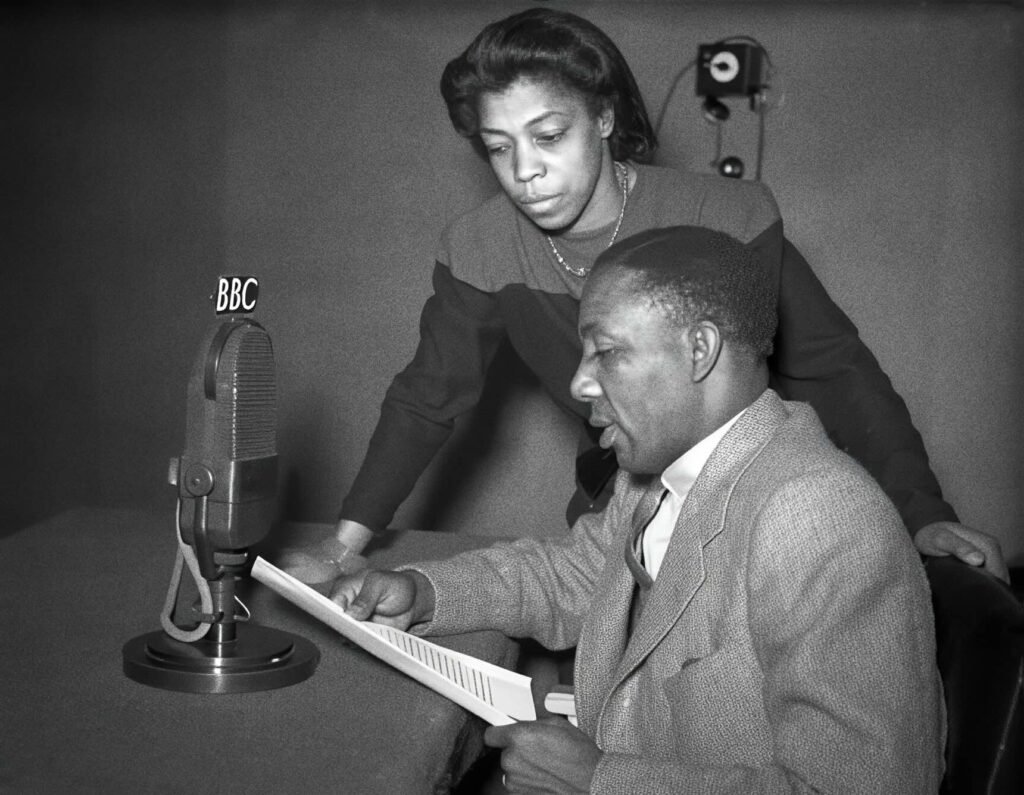
In 2018, the BBC finally acknowledged her in its official history. In 2023, Southwark Council opened the Una Marson Library, a public library named after her in south London. But an unmarked grave remains unmarked. No statue. No national holiday. No definitive biography in wide circulation. Her biographer, Delia Jarrett-Macauley, called her “the first Black British feminist to speak out against racism and sexism in Britain.” She was that. She was also the woman who connected a region during a war and launched a literary movement in peacetime. She was the first. And for too long, she was forgotten.
Sources:
1. Delia Jarrett-Macauley, The Life of Una Marson 1905-65 (Manchester University Press, 1998)
2. BBC Creative Diversity, “In Focus: Una Marson”
3. English Heritage, “Una Marson Blue Plaque”
4. Women’s History Network, “Una Marson 1905-65” by Imaobong Umoren
5. National Library of Jamaica, “Una Maud Marson (1905-1965)”
6. Wikipedia, “Una Marson” and “Caribbean Voices”
7. BBC History of the BBC, “Caribbean Voices”
8. Black Plays Archive, “Una Marson”
9. BBC News, “Una Marson: Library honouring first black BBC radio producer opens” (2023)
10. Decolonising the Archive, “Una: A Hidden Legacy”