
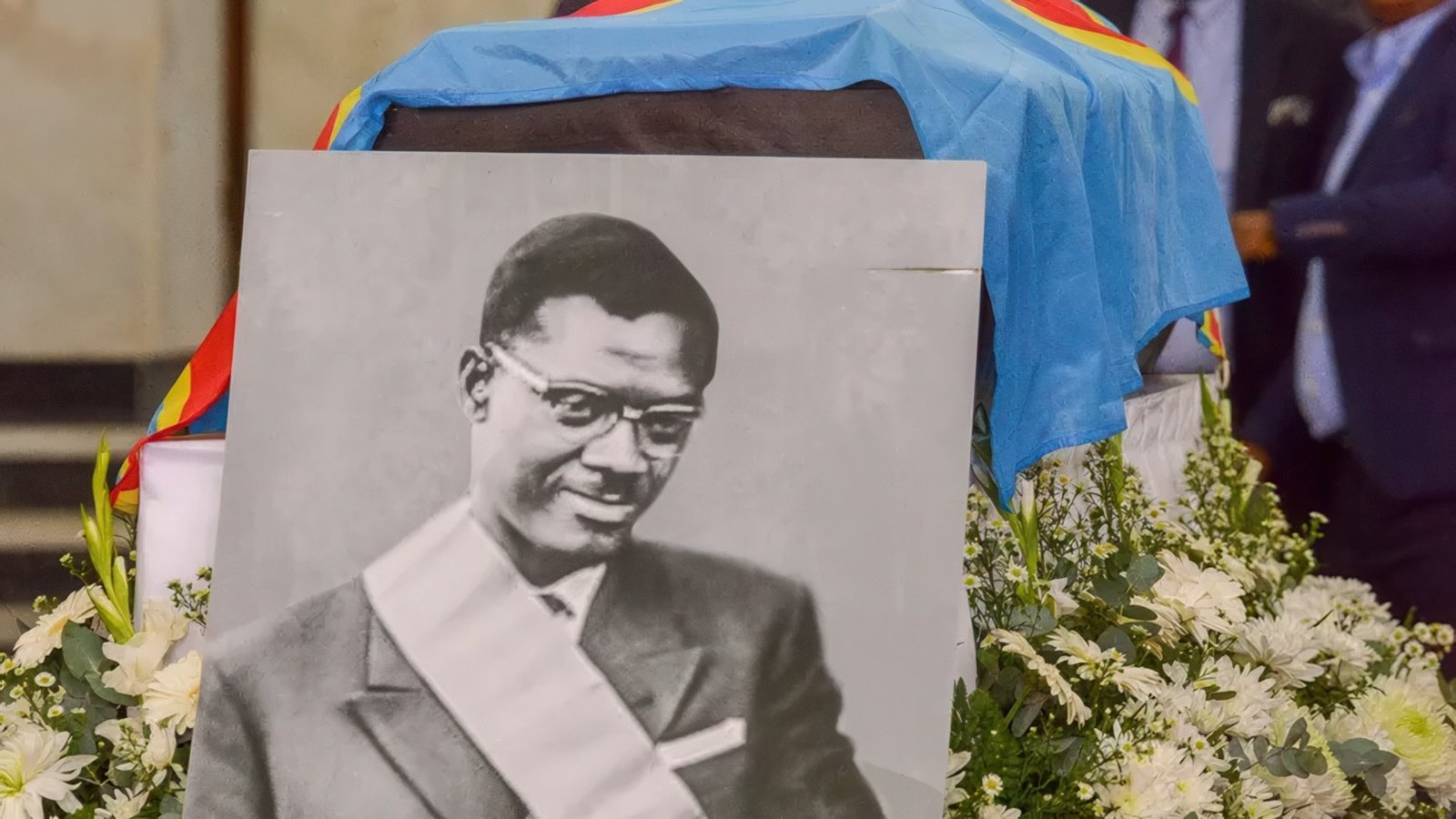

The facts, then. On January 17, 1961, a 35-year-old man was led from a jeep at an airport in Elisabethville, Katanga. He had been beaten during the flight. He was beaten again while being transferred. His name was Patrice Lumumba, the first prime minister of the Democratic Republic of Congo.
Lumumba had taken office just seven months earlier, on June 24, 1960, when Congo gained independence from Belgium after nearly a century of brutal colonial rule. His government lasted only three months. He was ousted in September 1960 by General Joseph-Désiré Mobutu, a man he had promoted to colonel just months before. In December, Lumumba was arrested and imprisoned.
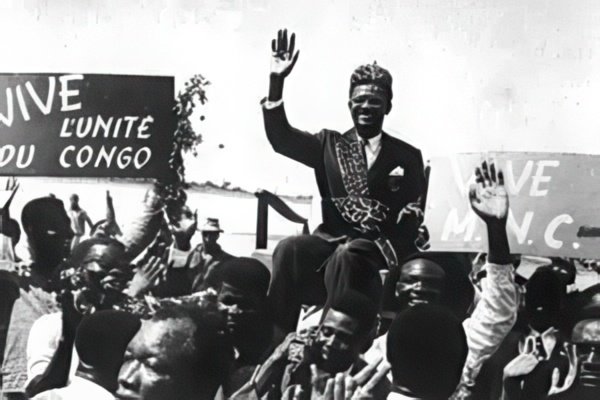
On January 17, Belgian officials flew Lumumba and two associates, Maurice Mpolo and Joseph Okito, from Thysville to Elisabethville in Katanga. Katanga was a mineral-rich province that had seceded from Congo with Belgian support. Its leaders were avowed enemies of Lumumba.
Upon arrival, the three men were taken to the Brouwez House. They were brutally beaten and tortured by Katangan forces and Belgian officers. That night, between 21:40 and 21:43, a firing squad executed them. Katanga’s president, Moise Tshombe, was present. Belgian officers participated.

The killers wanted to erase all evidence. They dug up the bodies, dismembered them, and dissolved them in sulphuric acid. Bones were ground and scattered. But one piece remained. A Belgian police officer named Gerard Soete took Lumumba’s gold-capped tooth as a souvenir. He kept it for more than 60 years.
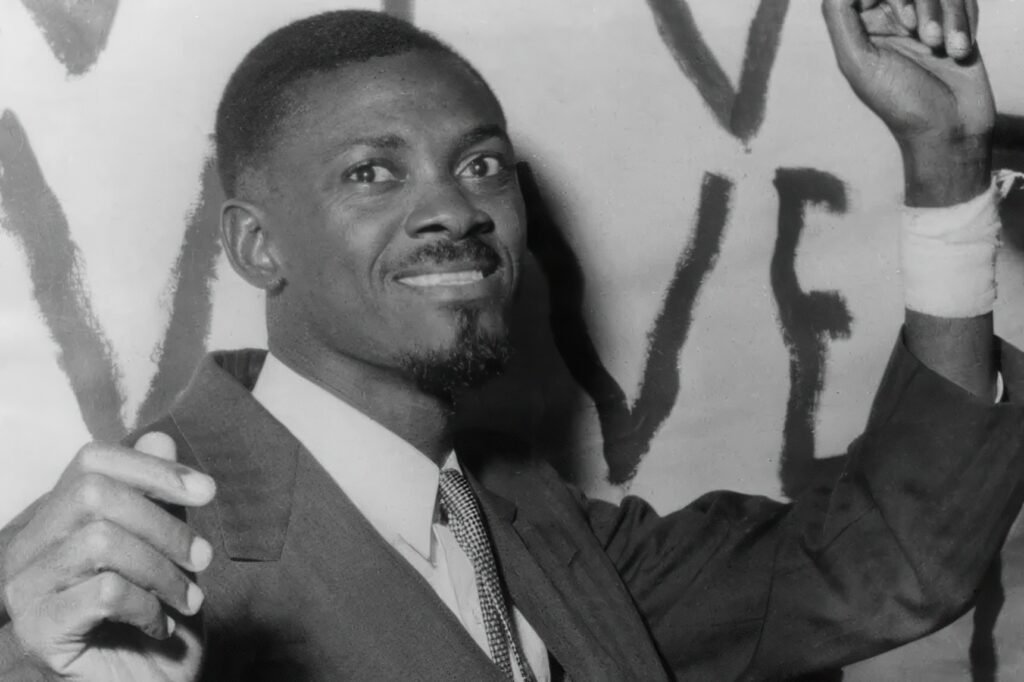
For decades, Belgium denied responsibility. In 2001, a Belgian parliamentary commission concluded that the government bore “moral responsibility” for Lumumba’s death. In 2002, Belgium formally apologized. But no one was prosecuted.
In June 2022, Belgium finally returned the gold-capped tooth to Lumumba’s family. It was taken on a tour across Congo so people could pay their respects. The ceremony was a national event. But it was not justice.
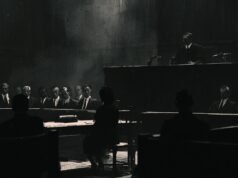
On March 17, 2026, a Brussels court ordered Etienne Davignon, a 93-year-old former Belgian diplomat, to stand trial for “participation in war crimes.” Prosecutors accused him of involvement in Lumumba’s unlawful detention, transfer, and degrading treatment. Davignon was the only surviving suspect among 10 Belgians implicated. He appealed the ruling.
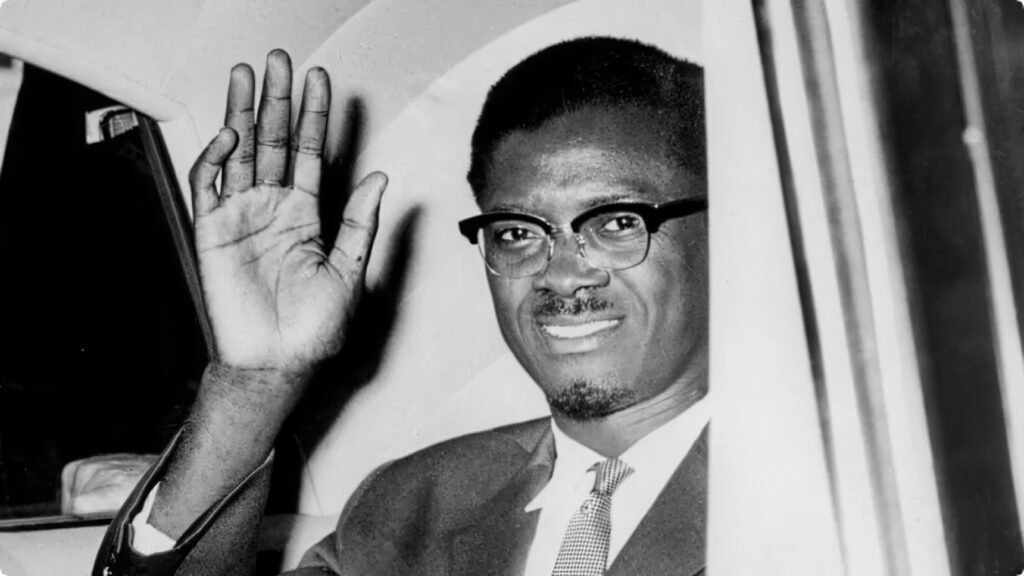
On May 17, 2026, Davignon died at age 93. He never stood trial. Lumumba’s granddaughter, Yema Lumumba, had called the 2026 ruling “a step in the right direction.” The family’s lawyer called it “a gigantic victory.” But the man who would have been the first Belgian official to face justice for Lumumba’s murder died before the trial could begin. No Belgian has ever been convicted for the assassination.
On the night before his death, Lumumba wrote to his wife Pauline. His final letter predicted his own martyrdom:
“History will one day have its say. It will not be the history taught in the United Nations, Washington, Paris, or Brussels. Africa will write its own history and both north and south of the Sahara it will be a history full of glory and dignity.”
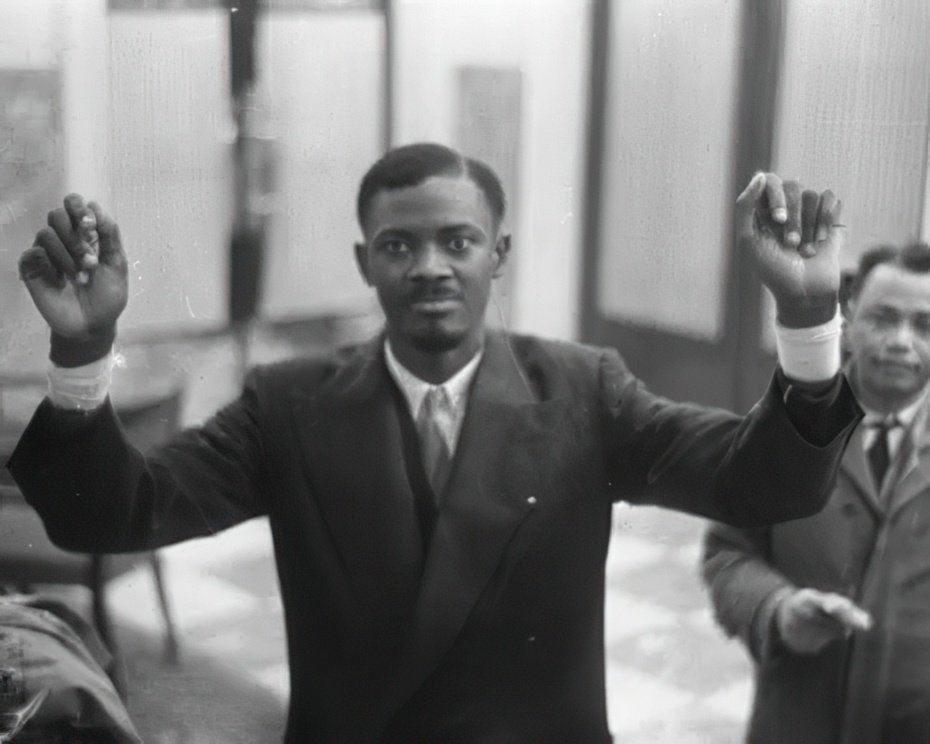
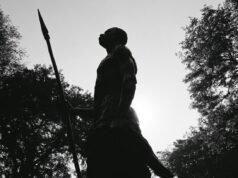
That history is still being written. On January 17, every year, Congo observes a national holiday in his name. Streets, universities, and monuments across Africa bear his image. His face appears on Congolese currency. But the full truth of his death has never been told in a courtroom.
Lumumba was 35 years old when they shot him. They dissolved his body in acid. One gold tooth survived. And for 65 years, the men who ordered his death lived free.
Sources:
- Al Jazeera – Ex-Belgian diplomat ordered to stand trial over murder of Congo’s Lumumba (2026)
- SA History Online – Patrice Lumumba assassinated (2020)
- BBC News – False alarm over DR Congo hero’s golden tooth (2024)
- IBW21 – Patrice Lumumba’s Letter to his wife (2019)
- Time Magazine – World: Verdict of Murder (1961)
- Daily Mail – Belgian ex-diplomat facing trial over Congo leader murder dead at 93 (2026)
- US State Department Office of the Historian – Foreign Relations of the United States (1961-63)