

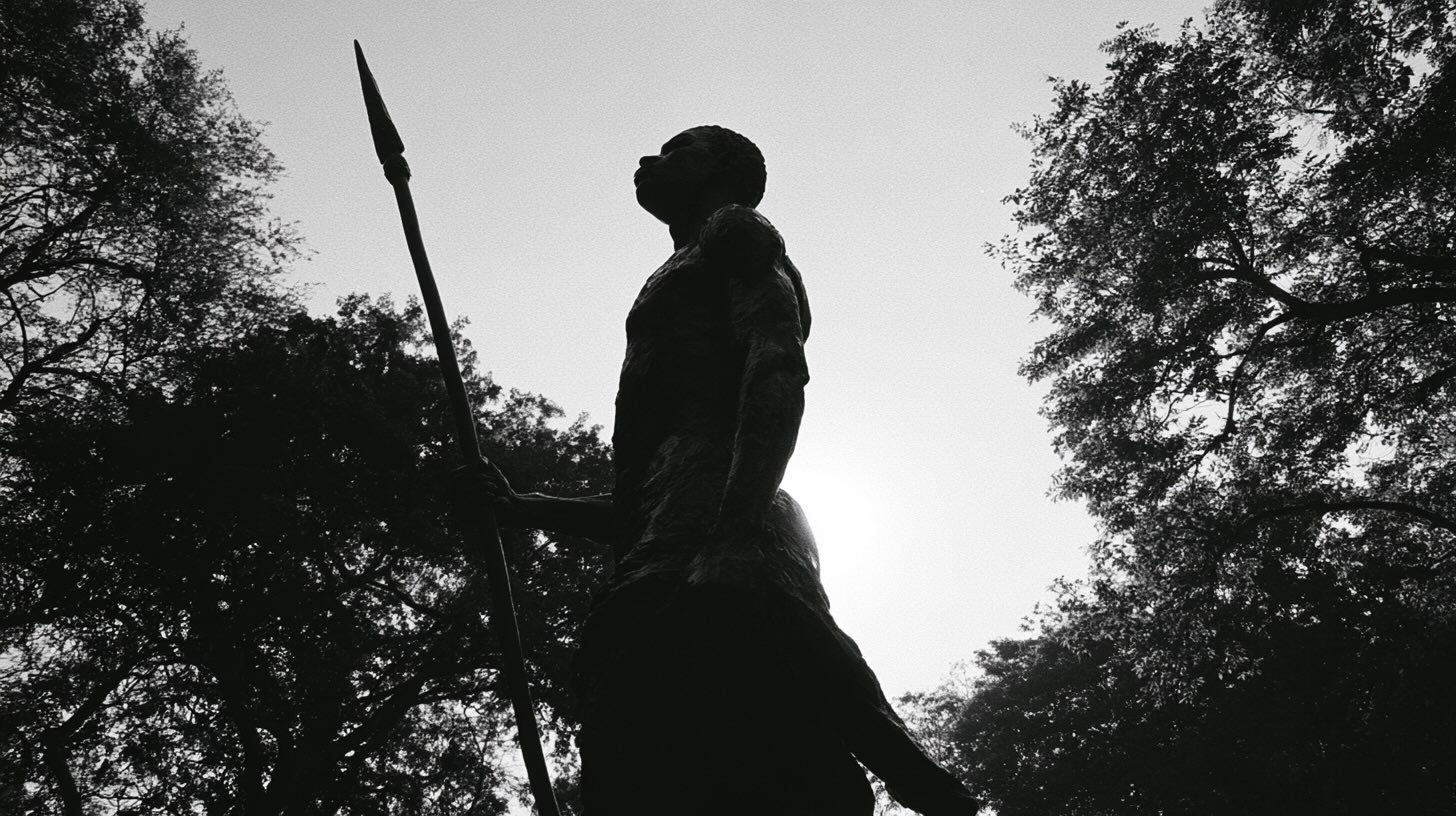

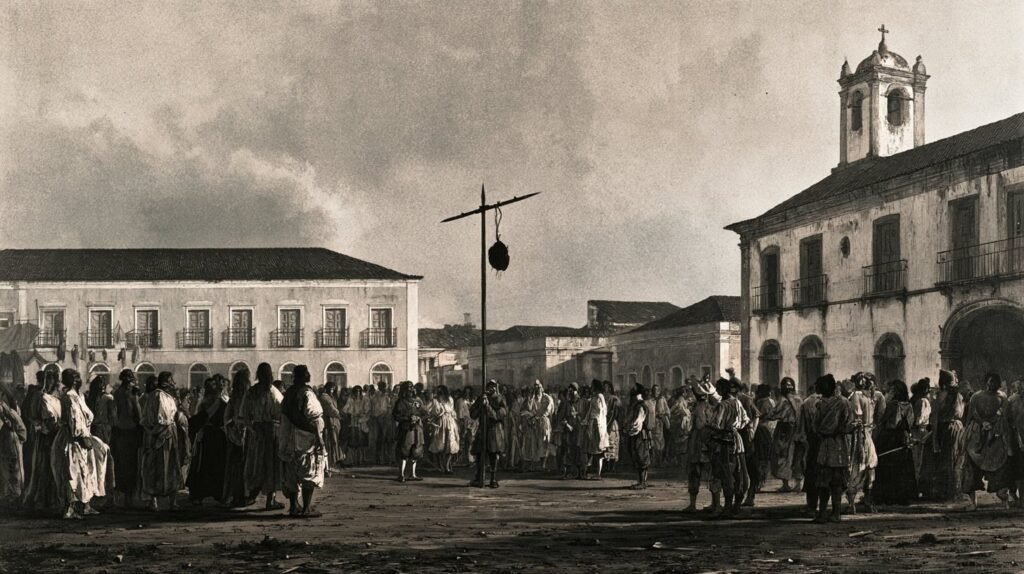
On November 20, 1695, Portuguese forces captured and beheaded Zumbi dos Palmares, the leader of the largest slave resistance movement in the Americas. His head was transported to Recife and displayed in a public square as a warning to rebelling slaves. Three hundred and twenty-nine years later, Brazil made the date a national holiday.
The story begins with Palmares. Between 1605 and 1695, an estimated 10,000 to 20,000 freedom-seeking Africans built a community in the northeastern states of Alagoas and Pernambuco. It was the largest quilombo in the Americas, a settlement of escaped slaves, indigenous people, and others fleeing colonial oppression. For nearly a century, Palmares resisted repeated attacks by both the Dutch and Portuguese.
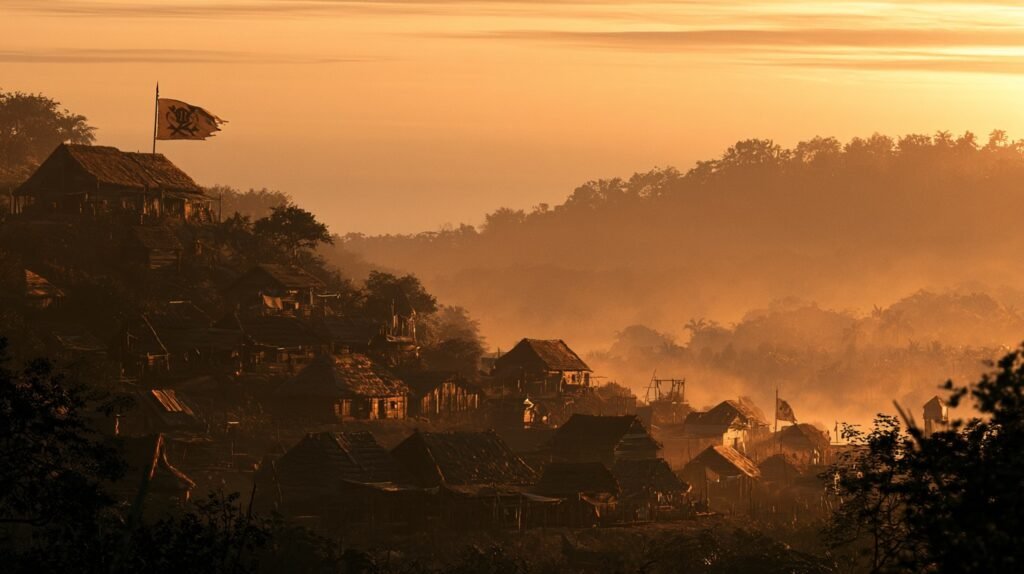
Zumbi was its most famous leader. He was born free in Palmares around 1655. At age six, he was captured by Portuguese forces and given to a missionary priest. He escaped in 1670 and returned to Palmares, where he became a leader of the resistance. In 1694, Portuguese forces destroyed Palmares. Zumbi escaped but was betrayed and killed on November 20, 1695.
Black movements have celebrated Zumbi since the early 20th century, but November 20 became a key date only in 1971. The Palmares Group in Porto Alegre held the first event on that date. They sought a date to counter another historically associated day: May 13, the day slavery was abolished in 1888.

Rather than celebrating Black resistance, May 13 had traditionally exalted Princess Isabel, who signed the Golden Law. As historian Deivison Campos said: “The princess was glorified as if she had granted a favour to the enslaved people.”
In 2003, President Lula da Silva signed Law 10.639, establishing November 20 in the school calendar. In 2011, President Dilma Rousseff made it an official national day. In December 2023, President Lula signed the law making Black Consciousness Day Brazil’s tenth national holiday. It was first celebrated as a national holiday on November 20, 2024.
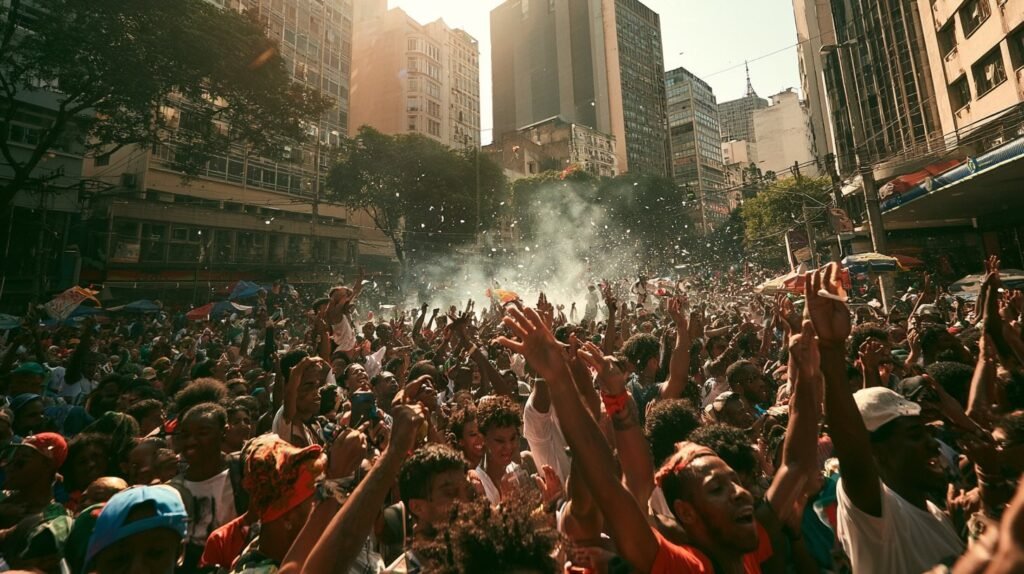
Brazil was the last country in the Western Hemisphere to abolish slavery. An estimated 5.8 million Africans were enslaved and transported to Portuguese Brazil between the 16th and 19th centuries. The holiday reflects the ongoing struggle. As Black Consciousness Day was celebrated for the first time as a national holiday, Brazil’s Human Rights Minister apologised for slavery, acknowledging that “May 14 starts with the total abandonment of the African descent population in this country.”
Black Consciousness Day is a day to honour the collective struggle. It is a day to correct a history that had been erased. And it is a day to demand that Brazil finally live up to its promise of racial equality.