


The Only Woman Executed in Georgia’s Electric Chair: Lena Baker’s 60-Year Fight for Justice. The facts, then. Lena Baker was born on June 8, 1900, near Cuthbert, Georgia, to a poor family of sharecroppers . She had three children and worked as a maid to support them. In 1944, she took a job caring for 67-year-old Ernest Knight, a white man who had broken his leg.
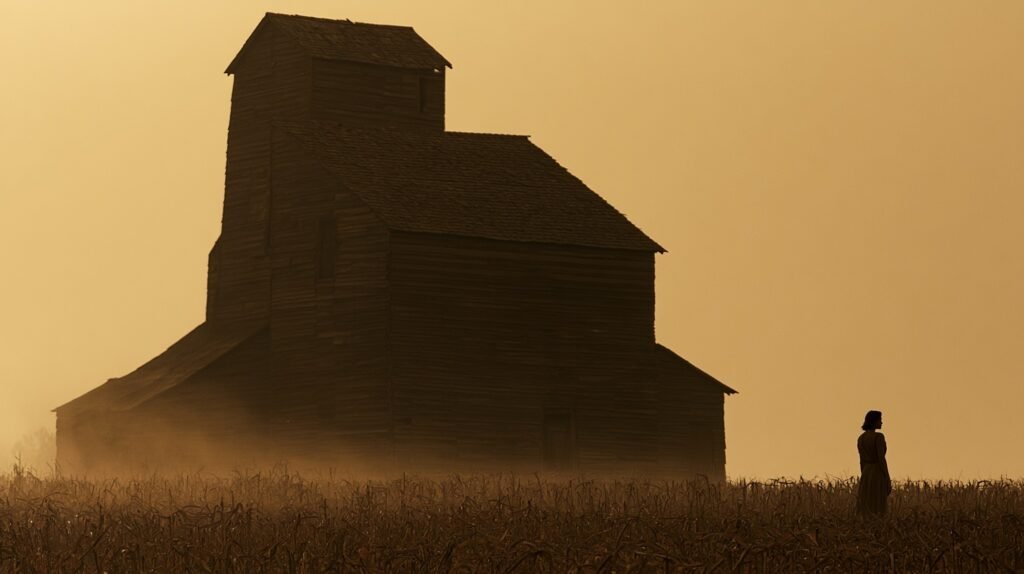
Baker testified that Knight repeatedly sexually assaulted her and held her against his will. One of Knight’s sons had beaten her and warned her to stay away from his father. On April 30, 1944, Knight locked Baker in his gristmill. When he returned, she pleaded to go home to her children. Knight threatened to kill her and pulled a pistol. They struggled. Baker got the gun and shot Knight in the head behind his left ear. She immediately reported it to the county coroner.
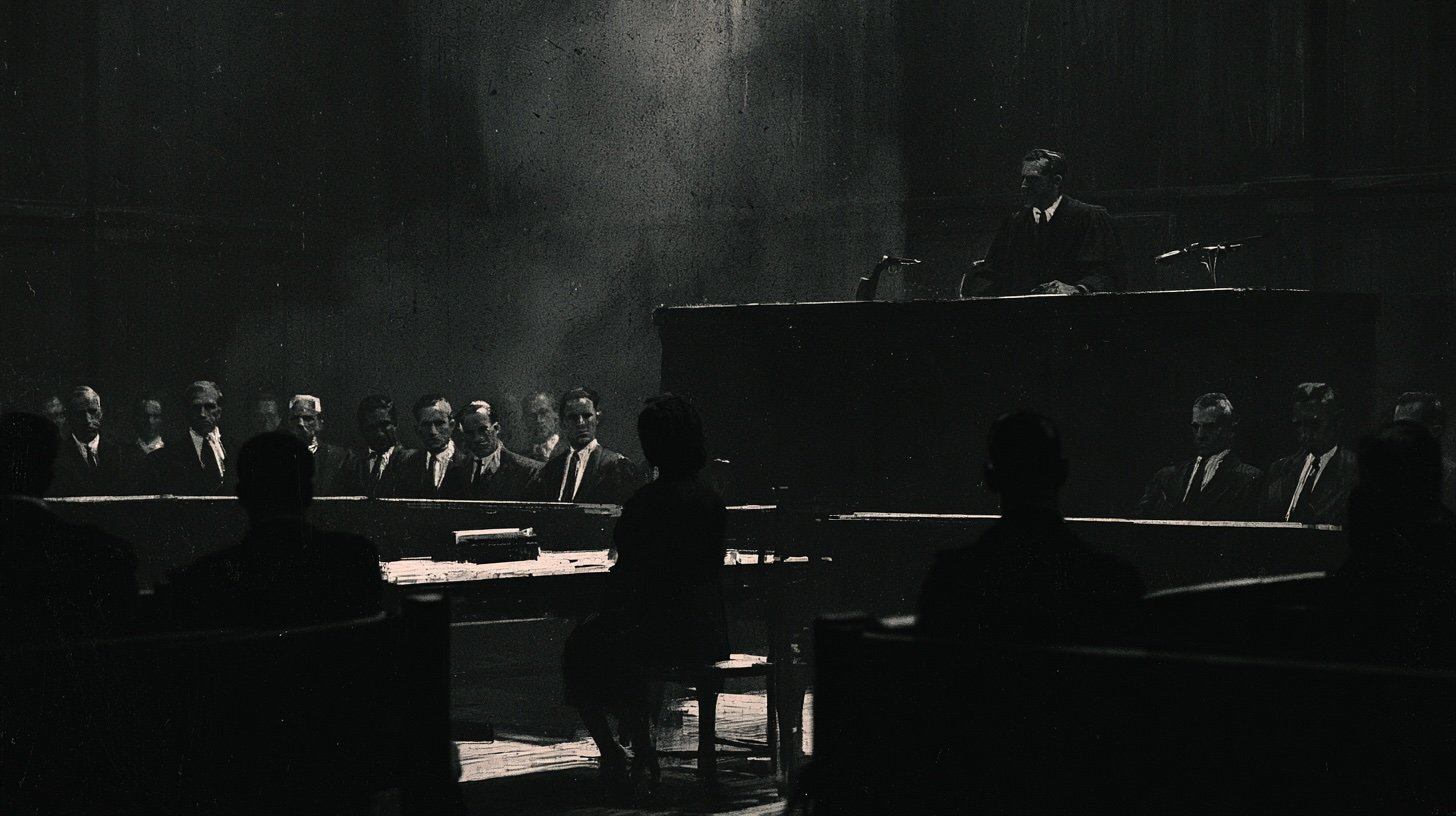
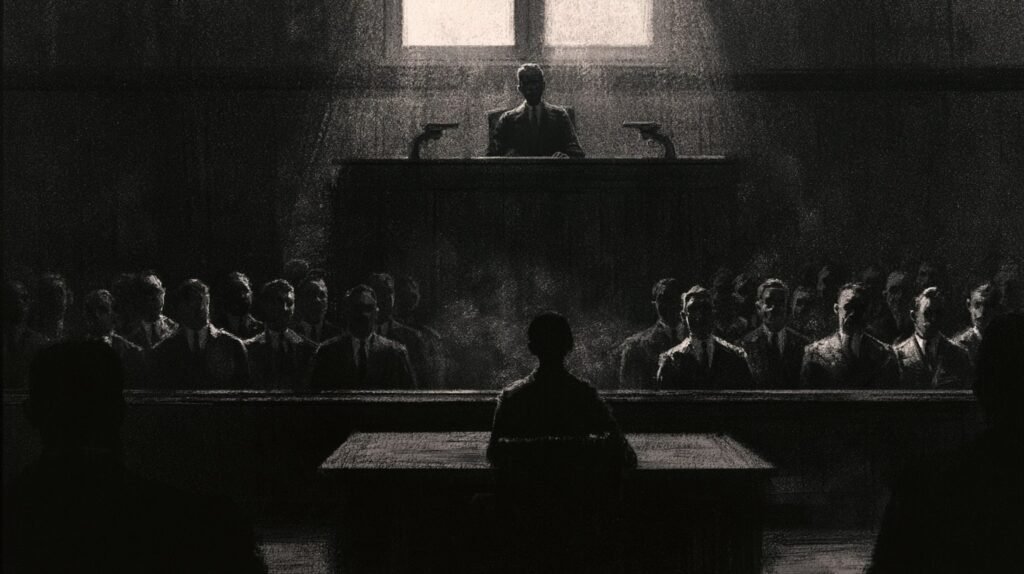
Her arrest, trial, and execution happened with terrifying speed. On August 14, 1944, she stood trial in Cuthbert. The presiding judge, William “Two Gun” Worrill, kept a pair of pistols on his judicial bench. The jury was all white and all male. At a time when Black citizens had been disenfranchised since the turn of the century, they were disqualified from jury service. Baker’s court-appointed attorney, W.L. Ferguson, presented an unsworn, disjointed statement from Baker and called no defence witnesses. The jury deliberated for only 30 minutes before convicting her of capital murder. The charge carried an automatic death sentence.
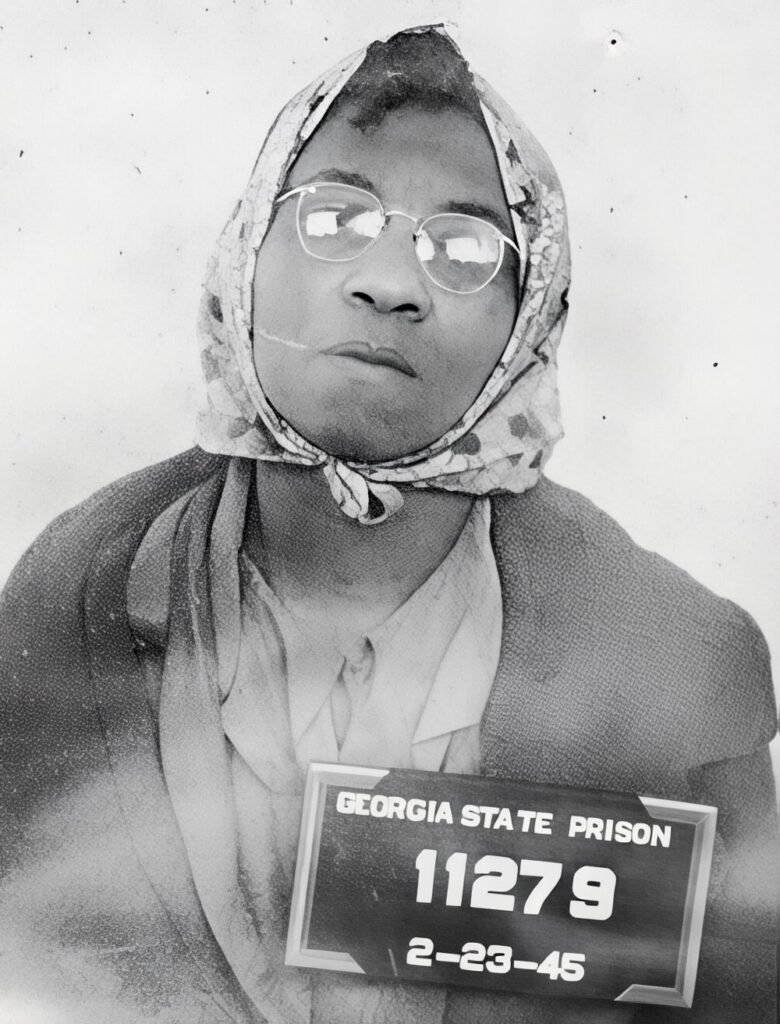
The all-white jury rejected Baker’s claim of self-defence. One newspaper at the time reported that Baker was held as a “slave woman” by Knight. Governor Ellis Arnall granted Baker a 60-day reprieve while the Board of Pardons and Paroles reviewed the case, but clemency was denied in January 1945. Baker was transferred to Reidsville State Prison on February 23, 1945. She was executed twelve days later. Baker was the only woman ever executed in Georgia’s electric chair.

Her last words, recorded just before her death: “What I done, I did in self-defence, or I would have been killed myself. Where I was I could not overcome it. God has forgiven me. I have nothing against anyone. I am ready to go. I am ready to meet my God.” She was buried in an unmarked grave behind Mount Vernon Baptist Church, where she had sung in the choir. For more than five decades, her name was almost entirely forgotten.
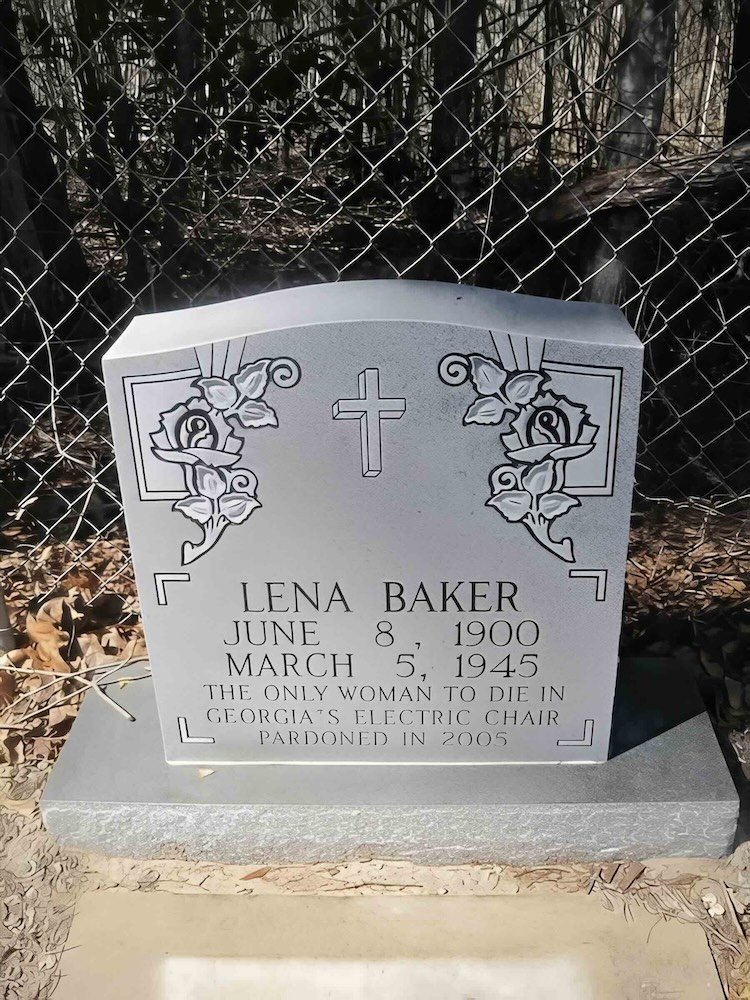
In the late 1990s, John Cole Vodicka of the Prison and Jail Project stumbled upon Baker’s trial transcript in the Randolph County Clerk of Courts office. She was not innocent according to the state. She acted in self-defence, and in 1945 she was denied justice because of her race and gender. In 2003, Baker’s grandnephew Roosevelt Curry, aided by Vodicka’s group, requested a pardon. The Georgia Board of Pardons and Paroles granted a full and unconditional pardon in August 2005, 60 years after her execution.
The Board’s official statement read that Baker could have been charged with voluntary manslaughter, not murder, and that the 1945 decision to deny her clemency was a “grievous error”.
Sources:
- The Free Dictionary – Lena Baker
- Wikipedia – Lena Baker
- NPR – Georgia Exonerates Maid — 60 Years Later (2005)
- AJC – Lena Baker: ‘I am ready to meet my God’ (2025)
- WALB – Lena Baker execution was six decades ago (2010)
- WALB – Tipping the scales of justice over 70 years later (2024)
- The Mail & Guardian – Pardon for maid executed in 1945 (2005)
- Digital Library of Georgia – Lena Baker case
- Jamaica Observer – ‘LENA’ GETS NEW SONG (2005)
• • Wikipedia – The Lena Baker Story