
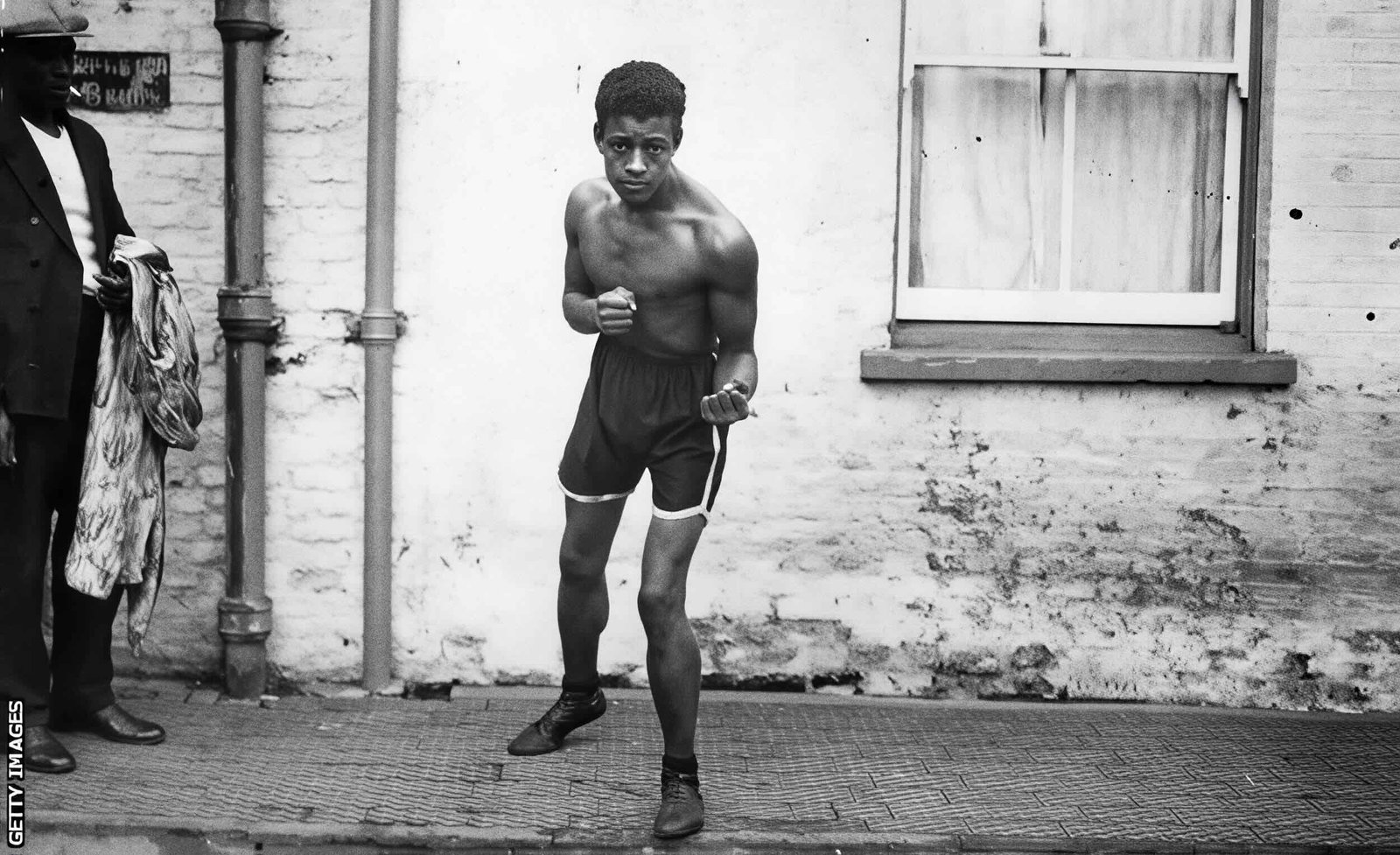

Leonard Benker Johnson was born on October 22, 1902, in Clayton, Manchester. His father was a merchant seaman from Sierra Leone. His mother was a Mancunian woman of Irish descent. He grew up in a city that called itself diverse but still threw rocks at his mother for marrying a Black man.
He learned to fight in traveling boxing booths. By 1925, he was regarded as one of the best middleweight boxers of his generation. In 1925, he defeated Roland Todd, the reigning British Middleweight Champion, in two non-title bouts. The wins should have earned him a title shot. They did not.
The Rule That Stopped Him. The British Boxing Board of Control had a rule. Rule 24 stated that title fight contestants “needed to have been born of white parents”. The rule had been backed in 1911 by the then Home Secretary, Winston Churchill. It remained in effect until 1948.
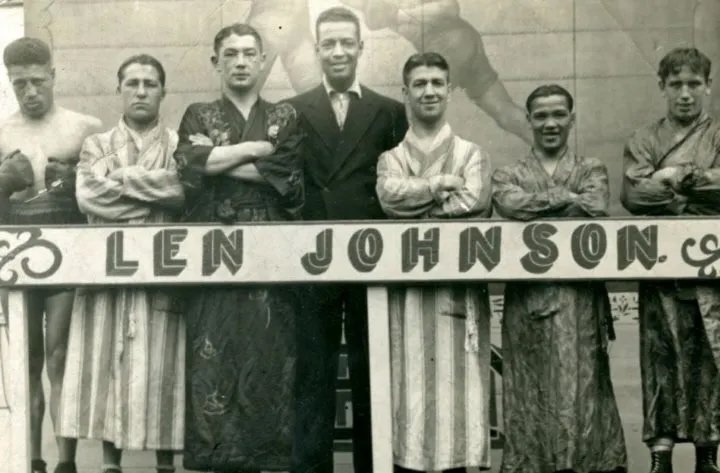
Johnson was not white. He could not fight for a British title in Britain. He went to Australia instead. On February 20, 1926, he defeated Harry Collins for the middleweight championship of the British Empire. He was the first non-white boxer to hold a major title during the colour bar era. He held it for five months. Back in Britain, the Board still refused to recognize him.

The Record They Ignored. Between 1920 and 1933, Johnson fought 135 professional bouts. He won 96 of them, 37 by knockout. He defeated former world welterweight champion Ted “Kid” Lewis. He beat future British middleweight champion Len Harvey. He thrashed the European middleweight champion Leone Jaccovacci and the European light-heavyweight champion Michele Bonaglia.
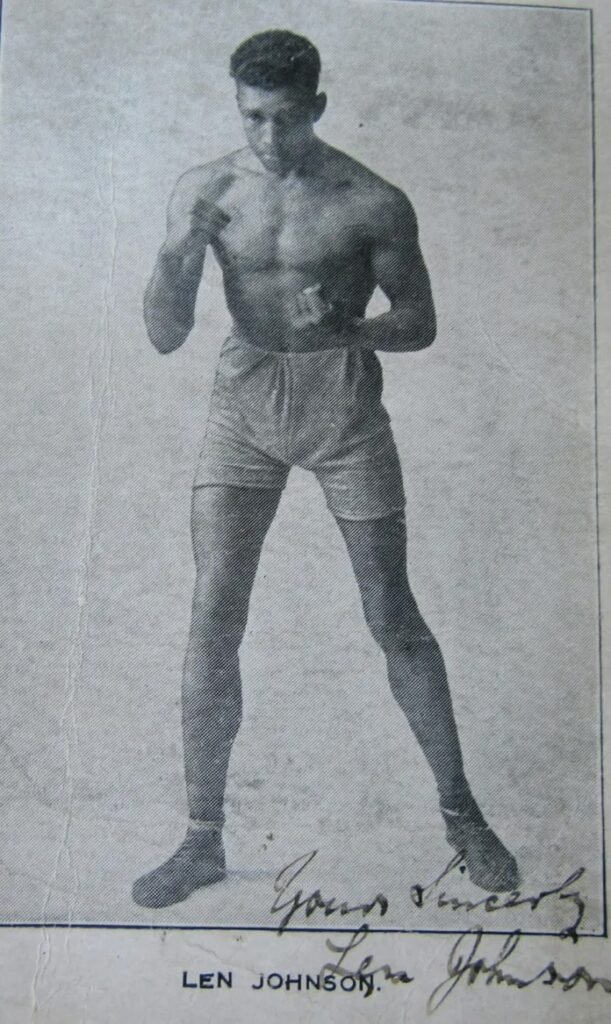
None of it mattered to the Board. He was barred from the Royal Albert Hall. Barred from the National Sporting Club. When he retired in 1933, he told the Daily Dispatch: “The prejudice against colour has prevented me from getting a championship bout, although I consider I am well worthy of one. I know in my heart that I shall never achieve those ambitions, so I am getting out of the game”.
The Fighter Outside the Ring. Johnson did not disappear. He joined the Communist Party of Great Britain. He became a trade unionist and a community leader in Manchester’s Moss Side neighborhood. He ran for Manchester City Council six times. He lost every time. But he kept fighting.
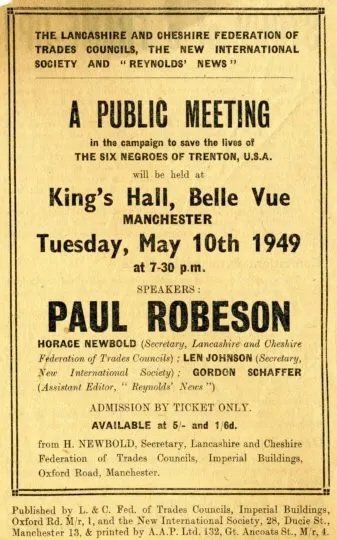
In 1945, he was one of the local representatives at the 5th Pan-African Congress in Manchester. Standing alongside him were W.E.B. Du Bois and Kwame Nkrumah. The Congress helped shape the movement for African independence. Johnson’s fighting helped end the colour bar. The rule was finally abolished in 1948. Dick Turpin became Britain’s first Black boxing champion that year. Johnson had paved the way.
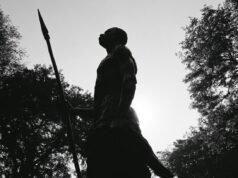
The Legacy. Len Johnson died on September 28, 1974, in Oldham, aged 71. He was never given a Lonsdale Belt. He was never allowed to fight for a British title in Britain. But in 2024, campaigners launched a movement to erect Manchester’s first statue of a Black person. They chose Len Johnson. His great-granddaughter, Darianne Brown, told the BBC: “It’s astounding to think Manchester doesn’t have any statues of black people. It would be incredible if he could be the first”.
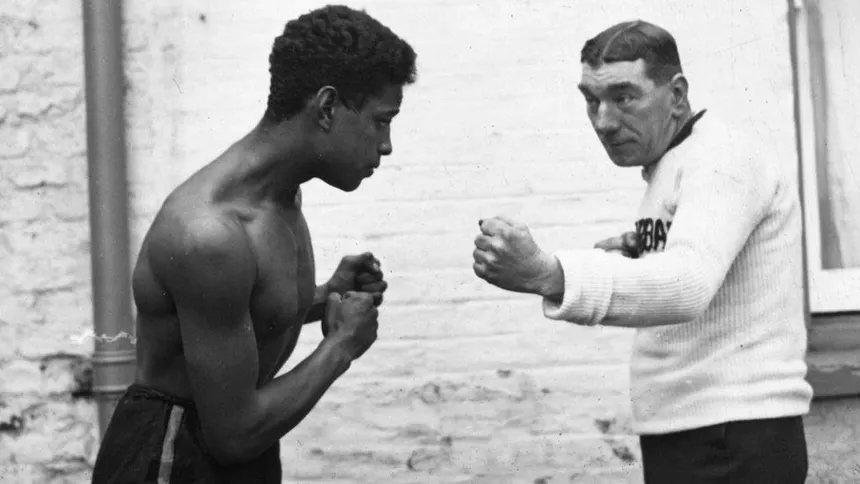
As one campaigner put it: “Len wasn’t just a boxer. He was a fighter outside of the ring politically, a massive fighter for civil rights”. He was a champion who never held a belt. He was a fighter who never stopped. And the city that barred him may finally build him a statue.
Sources:
- BBC News – “Len Johnson: From barred boxer to Manchester’s first black statue?” (2024) (https://www.bbc.co.uk/news/articles/c624vjzel5vo)
- Wikipedia – Len Johnson (boxer) (https://en.wikipedia.org/wiki/Len_Johnson_(boxer))
- DBpedia – Len Johnson (https://fragments.dbpedia.org/2014/en?object=Leonard%20%22Len%22%20Benker%20Johnson)
- Wikiwand – Len Johnson (boxer) (https://www.wikiwand.com/en/articles/Len_Johnson_(boxer))
• • Sport & Note – Professional record (https://www.sportenote.com/stampa_dettagli.asp?id=59359)