
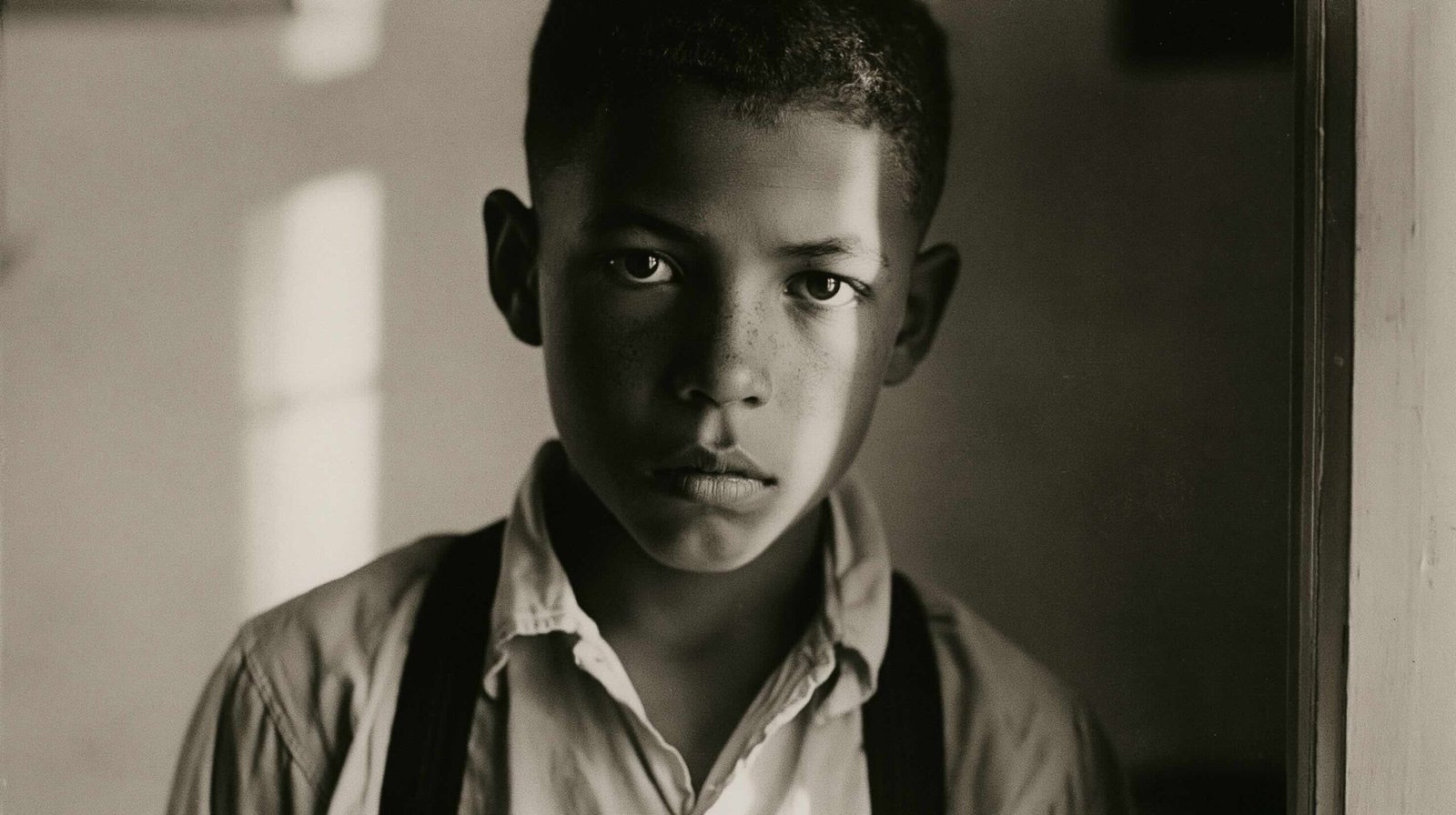

In 1937, Nazi Germany launched a secret sterilisation programme targeting mixed-race children in the Rhineland. These were the children of German women and Black French colonial soldiers stationed in the region after World War I. The programme was overseen by Eugen Fischer, one of Germany’s most respected racial scientists. The children were taken to hospitals, told they were having medical procedures, and sterilised without their knowledge or consent. Most never learned the truth.
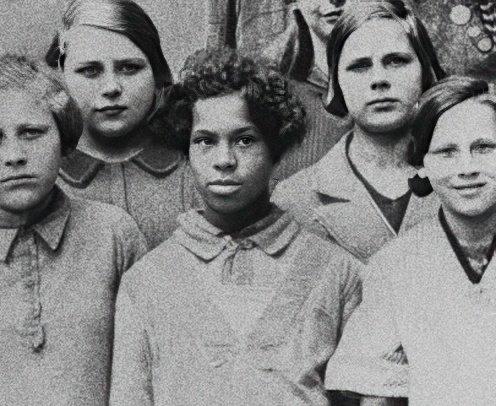
The children were not immigrants. They were not foreigners. They were German, born in Germany to German mothers, speaking German as their first language. Their only transgression was their skin.
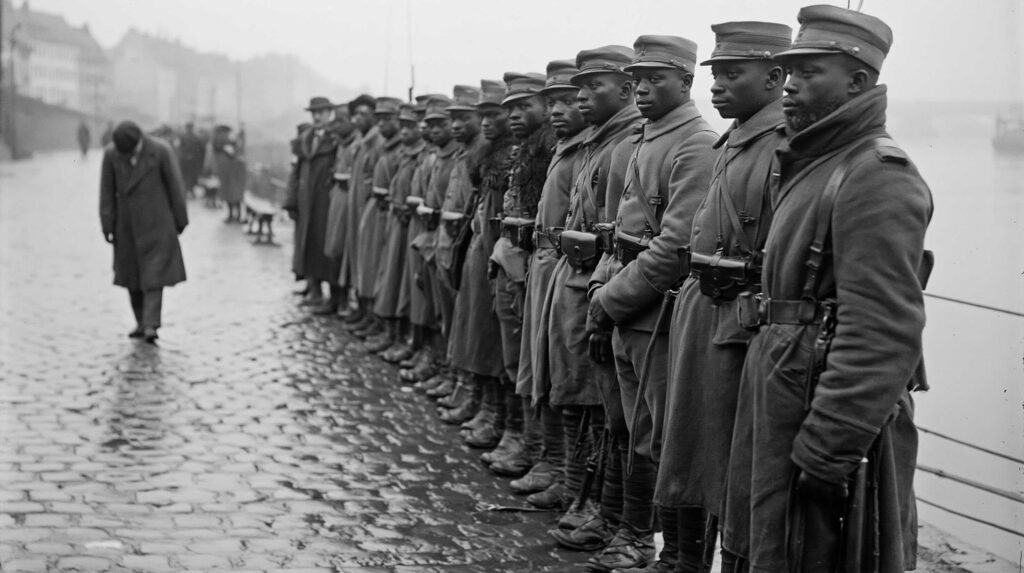
The story begins in 1918. When World War I ended, the victorious Allies placed Germany’s Rhineland under occupation. Among the French occupation troops were about 20,000 men from Senegal, Morocco, Algeria, Tunisia, and French Indochina. These men had fought for France in the trenches. Many had bled for a country that was not their own.
German nationalists were outraged. Newspapers ran fabricated stories about African soldiers raping German women. The term Rheinlandbastard entered common use. A novel published in 1921 declared that mixed-race children were “physically and morally degenerate” and could never be German. The German government lodged formal protests. The foreign minister wrote to France demanding they remove the “black plague.”

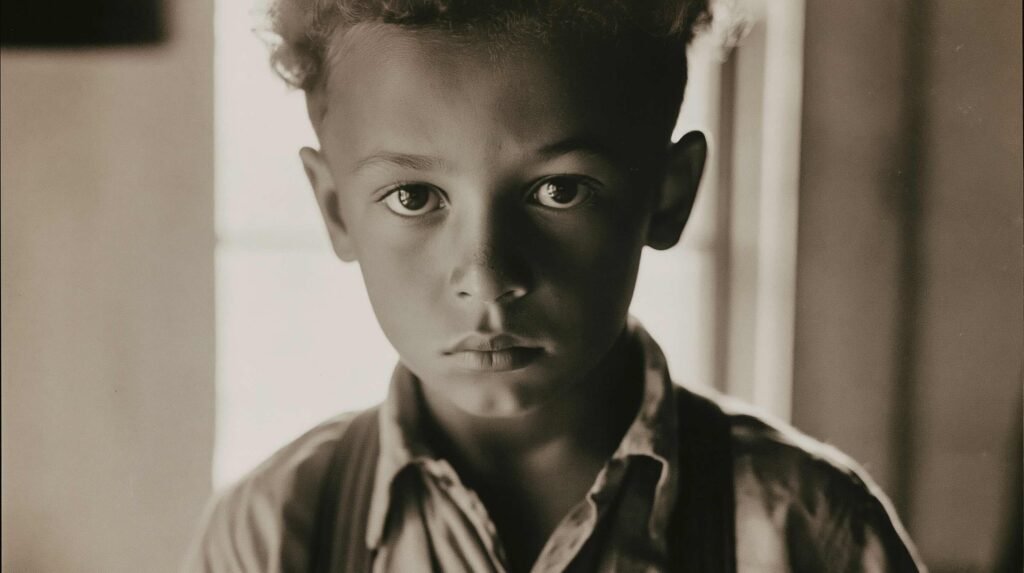
But the soldiers stayed. And between 1919 and 1928, somewhere between five hundred and eight hundred mixed-race children were born. Most of their fathers had returned to Africa or Indochina before the children could remember them. They grew up German in every way that mattered, and in one way that apparently didn’t.
When Hitler came to power in 1933, the Rhineland children already had a target on them. Hitler had written about them in Mein Kampf, calling them a contamination of the white race. He claimed, absurdly, that Jews had deliberately brought Africans to Germany to “bastardize” the white race. This paranoid fantasy became official policy.
The Nuremberg Laws of 1935 banned mixing between Aryans and non-Aryans. But the children existed already. They could not be unbirthed. So the regime created Sonderkommission Nr. 3 and put Eugen Fischer in charge.
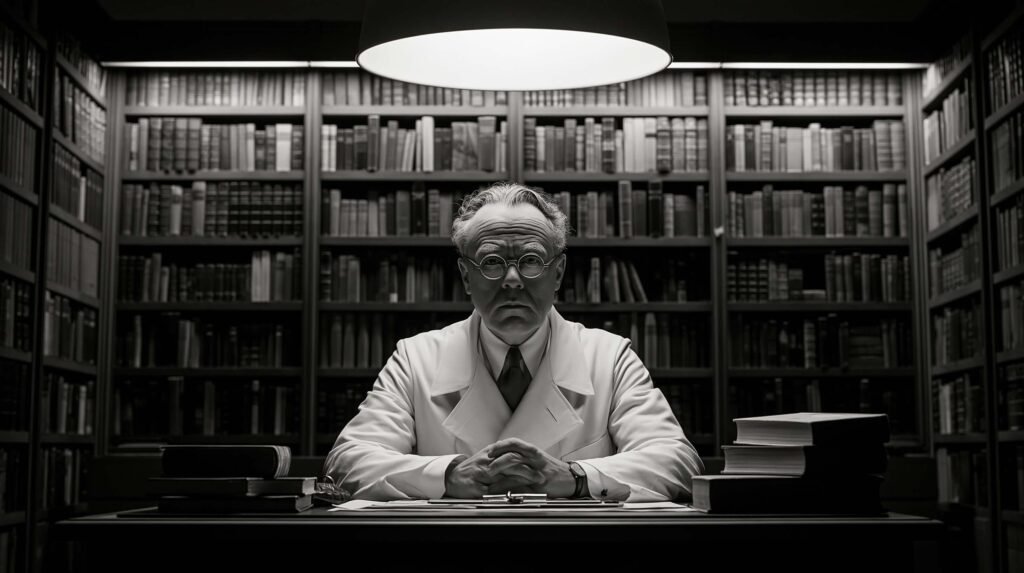
Fischer was not a fringe extremist. He was a mainstream scientist, director of the Kaiser Wilhelm Institute of Anthropology, Human Heredity, and Eugenics. Earlier in his career, he had conducted experiments on the Herero and Nama people in German colonial Namibia between 1904 and 1908. He had written a book in 1913 arguing that mixed-race people were “a race inferior to ourselves.” He was exactly the man the Nazis needed.
In 1937, local officials across the Rhineland were quietly instructed to compile lists of every mixed-race child in their district. The Gestapo came to homes and schools. The children, some as young as ten, were taken to hospitals. Some were told it was for appendicitis. Some were told nothing.
They were sterilised.
At least 385 children are documented in surviving Gestapo records. Some historians say the true figure is over 800. The Nazis hid the records. The surgeries were disguised. The children were sent home with instructions not to discuss it.
After the war, nothing happened. Eugen Fischer retired in 1942 with full honours. He lived until 1967, never charged with any crime. The survivors went through life not knowing what had been done to them. Some believed they had a medical condition. Some never married. Some never had children. It was only in the 1990s, when historians opened the sealed Gestapo files, that a handful learned the truth.
One survivor said: “They took my future. I didn’t know they had taken it, but I felt it. Every day. I just didn’t know why.”
The sterilisation of the Rhineland children was the result of a regime that believed it could purify humanity by deciding who deserved to exist. The scientists who ran it were not criminals in any legal sense. They were doctors, professors, men with credentials and reputations. They did their work, filed their papers, and went home.
The children received no reparations. No memorial. No acknowledgment. The silence after the crime was almost as destructive as the crime itself.
We do not know the names of most of the Rhineland children. The Gestapo files list them, but many are incomplete. Some survivors lived into the 21st century, but most did not speak publicly about what had happened to them. Shame, confusion, and trauma kept them silent.
Their story is not comfortable. It does not fit neatly into the standard narrative. It involves collaborators who were not Nazis, victims who were not Jewish, and perpetrators who were never punished.
But it is true. And it happened. And the children were real.
They were born. They were stigmatised. They were sterilised. They were forgotten.
Sources:
1. United States Holocaust Memorial Museum, “Afro-Germans During the Holocaust”
2. Deutsche Welle, “They Called Them the Children of Shame” (2021, dir. Dominik Wessely)
3. Richard J. Evans, The Third Reich in Power (2005)
4. Susan Samples, “African Germans in the Third Reich” in The African German Experience (1996)
5. American Journal of Public Health (2022), “The Dangers of White Supremacy: Nazi Sterilisation and Its Mixed-Race Victims”
6. Talkafricana, “Rhineland Bastard: The Hidden History of Nazi Persecution of Afro-Germans”
7. Eugenics Archive, “Nazi Sterilisation” (eugenicsarchive.ca)