


In the year 2000, the Panamanian government passed Law 9, declaring May 30 as the Día de la Etnia Negra Nacional — a civic day of commemoration for the Black ethnic group across the entire republic. The law’s purpose was to highlight the scientific, cultural, economic, and labour contributions of Afro-descendants to Panama. But one day was never enough. Over the years, the celebration expanded to fill the entire month of May. Today, the Fiesta de la Etnia Negra is a nationwide month-long festival of music, dance, food, academic discussion, political advocacy, and cultural affirmation.
The history that the month celebrates is long and deep. Two Black Panamas. Afro-Panamanians come from two streams. The first are the Afro-Colonials descendants of enslaved Africans brought by the Spanish during the colonial period, beginning in 1513 with Vasco Núñez de Balboa. These Africans were forced to transport gold and silver across the isthmus, from the Atlantic port of Portobelo to Panama City on the Pacific. The work was brutal, sixty kilometres of tropical rainforest, disease, attacks and many escaped into the mountains.
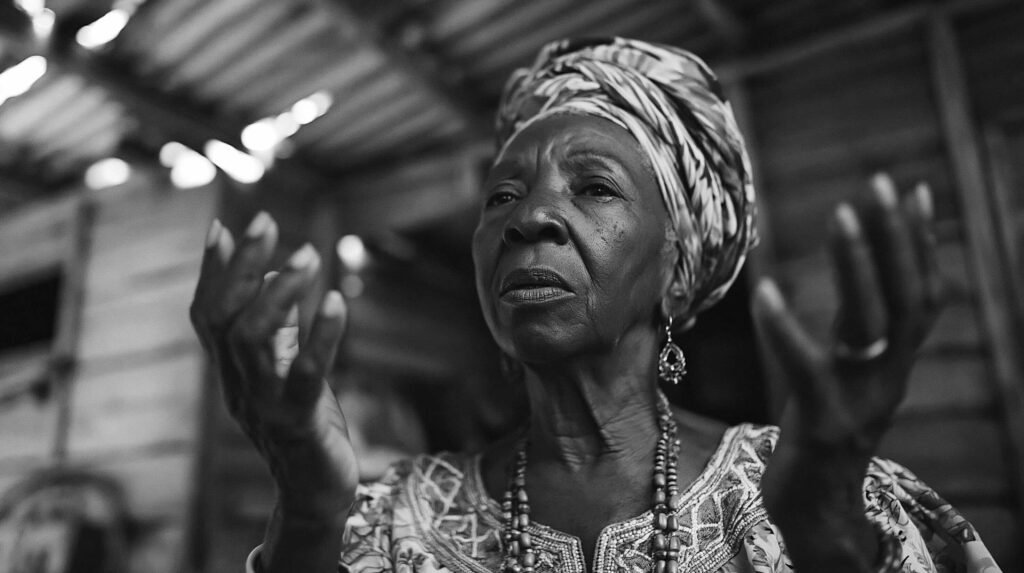
Those who escaped formed Cimarroneras maroon communities. The most famous leader was Bayano, who led a major slave rebellion in the 1550s. By 1560, there were established maroon communities in Bayano, Cerro de Cabra, and Portobelo. By 1625, Afro-Panamanians numbered 12,000 against a white population of less than a thousand. They outnumbered whites ten to one by 1630. Out of this colonial crucible came the Congo culture, a tradition of dance, music, drumming, and a coded secret language that included greeting with the feet and talking backwards. It was a means of communication the enslavers could not understand. UNESCO now recognises this culture as Intangible Cultural Heritage.
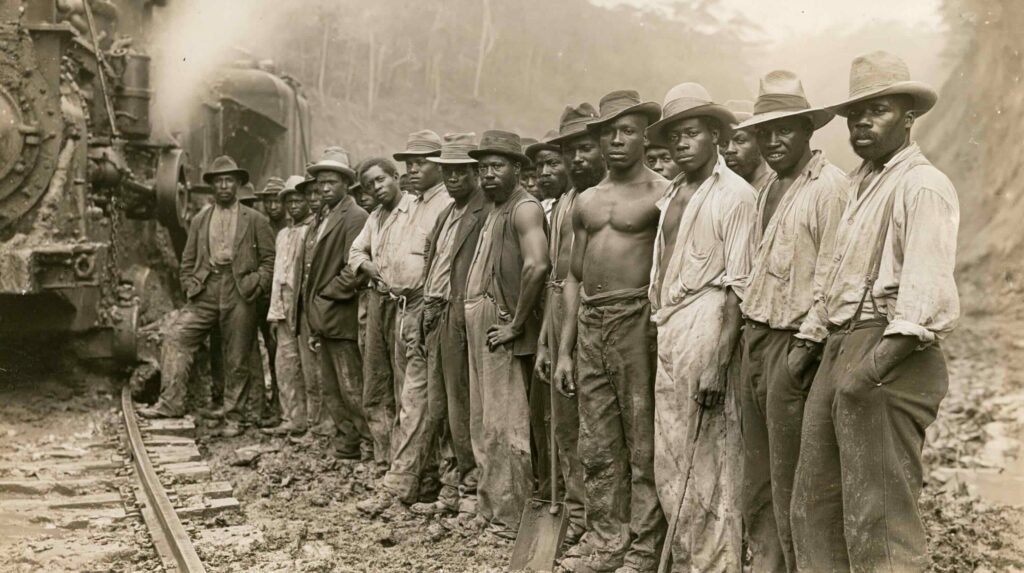
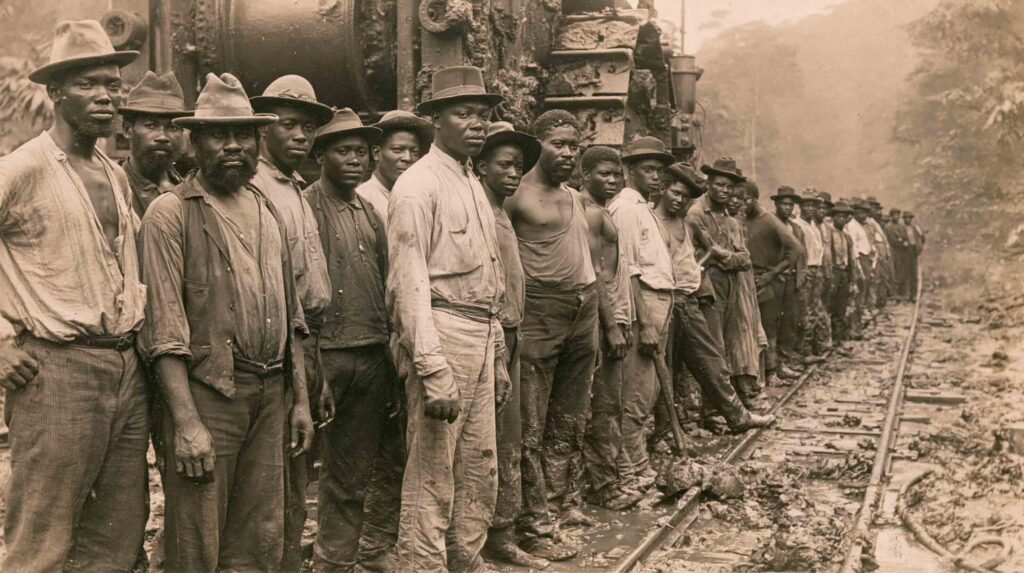
The second stream is the Afro-Antilleans. Between 1849 and 1914, Panama experienced the largest trans-Caribbean movement of people in history. West Indians from Jamaica, Barbados, Martinique, Trinidad, Guadeloupe, and other islands came to build the Panama Railroad (1850-55), the failed French canal attempt (1880-89), and ultimately the Panama Canal (1904-14). More than 50,000 came for the American canal project alone. They were paid in silver. White American workers were paid in gold. This gave them their name: the Silver Men.

When the canal was finished, about 20,000 stayed. They built communities in Colón, Cristóbal, Balboa, Río Abajo, and Bocas del Toro. They brought their language (English Creole), their food, their music, and their faith. They became Panamanian. Today, Afro-Panamanians make up at least 31 percent of the country’s population.
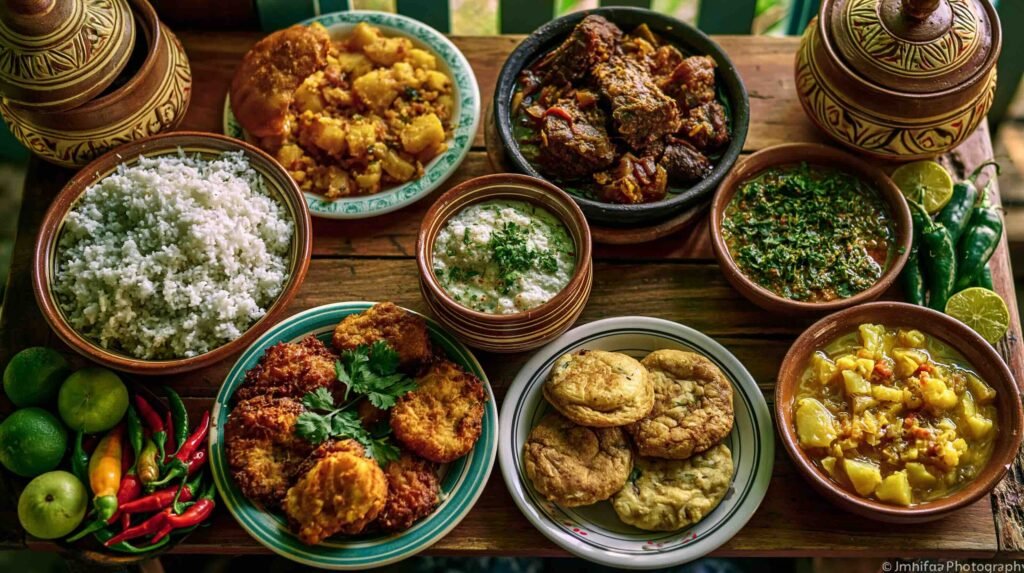
What happens in May. The month is packed with events. The Afro Panamá Food festival showcases Afro-Panamanian cuisine: rice with coconut, torrejitas de bacalao (codfish fritters), patties (empanadas filled with spiced meat), one-pot stews, saus (pork legs in vinaigrette), and bragada (fried codfish cakes). These are not niche dishes, they are Panamanian comfort food, eaten across the country.
Congo dance performances take place in Portobelo, where the tradition has survived for over four hundred years. Dancers wear bright, layered costumes, elaborate masks, and headdresses. The drumming is relentless. The movements tell the story of slavery, rebellion, and freedom.
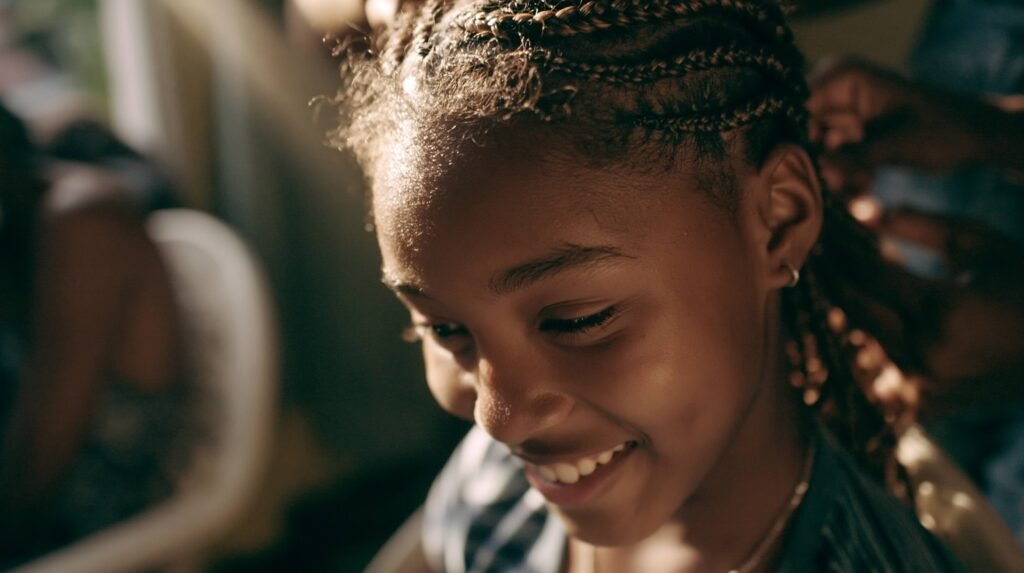
The third Monday of May is Braid Day (Día de las Trenzas), celebrating Black hairstyles that were once banned in schools. It was created because Afro-Panamanian children were being sent home for wearing braids and natural hair. Now the country celebrates those same hairstyles.
Throughout the month, universities hold conferences on Afro-Panamanian identity, history, and social inclusion. SENADAP, the government agency for Afro-Panamanian development (created by Law 64 in 2016), coordinates many of these events. The agency monitors compliance with international commitments like the UN’s Decade for Afro-descendants (2015-2024).
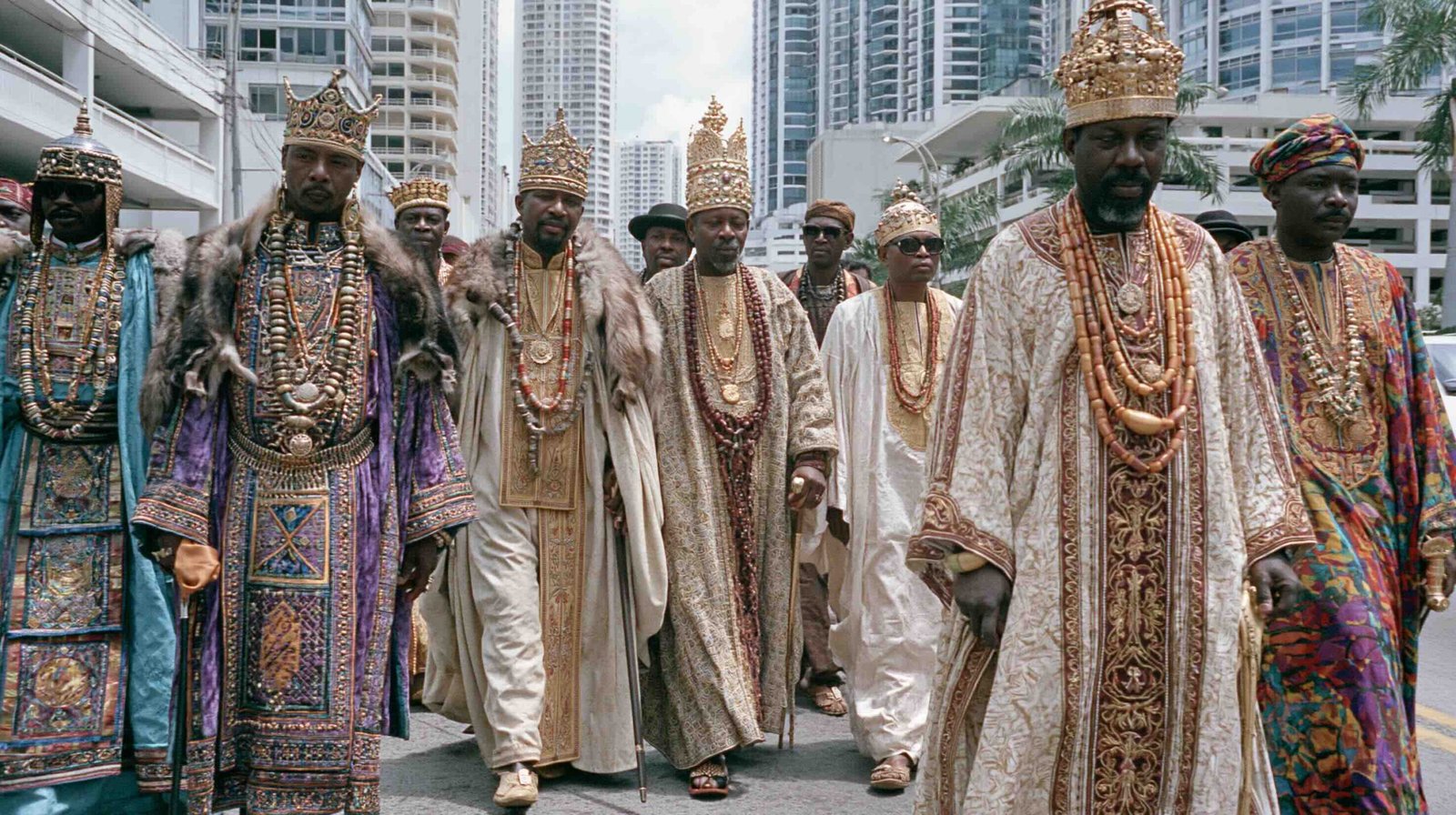
One of the most striking events is the Journey of Atonement and Reconciliation of Mother Africa. African kings, queens, and tribal chiefs travel to Panama to meet the diaspora. They come to acknowledge the slave trade, to strengthen ties between Africa and its descendants, and to witness the culture that survived. Dr. Melida Harris-Barrow, a Panamanian community leader in the United States, described it as “the first country in the world to hold an event of this magnitude, which will bring together the kings, queens and tribal chiefs of Africa, to apologise to all African descendants scattered around the world.”.
The culture that survived. The Congo culture of Portobelo is perhaps the most remarkable survival. Born in the 1600s as a form of resistance, it blends African, European, and Indigenous elements into something uniquely Panamanian. The language, greeting with feet, speaking backwards was a cipher. The dances reenact slave rebellions. The costumes mock colonial authority. Every performance is an act of historical memory.
In Portobelo, La Escuelita del Ritmo (The Little School of Rhythm) teaches Congo drumming and dance to children, free of charge. It is run by the Portobelo Bay Foundation, and it ensures the tradition does not die. Afro-Panamanian music is inseparable from the nation’s identity. The Congo rhythm, the tamborito (the national dance), the calypso of Bocas del Toro, and the Panamanian cumbia all carry African roots. The instruments, drums, güiros, maracas are African in origin.
The food tells the same story. Afro-Panamanian cooking was born from scraps, the parts of the animal the enslavers did not want, the fish that was cheap, the rice and coconut that stretched a meal. Out of that deprivation came dishes now celebrated as national treasures. One-pot, coconut rice, patties, saus, these are the taste of survival, and they are served in every Panamanian home.
Challenges remain. The celebration does not pretend racism is solved. Braid Day exists because discrimination still happens. Studies by CLACSO (the Latin American Council of Social Sciences) have documented ongoing issues: negative stereotyping of Afro-Panamanians, barriers in education and employment, housing discrimination, and the particular struggles of Black women. The same scholars caution against treating the Afro-Panamanian community as a monolith, there are linguistic and cultural differences between Afro-Colonials and Afro-Antilleans that research must respect.
SENADAP’s mandate is to ensure that Afro-Panamanians are included in public policy. But the agency itself is a relatively recent creation (2016), and activists like Ninna Ottey acknowledge that progress has been slow. “There are still challenges to overcome related to racism,” Ottey has said. But she also notes that compared to ten years ago, there is far more visibility. More companies participate. More schools hold events. More Panamanians wait for May to recognise their roots.
What the month means. The Fiesta de la Etnia Negra is not just a party. It is a civic act. It recognises that a population of 31 percent, the descendants of enslaved Africans and indentured West Indian labourers built the infrastructure, shaped the culture, and enriched the identity of Panama. The railroad, the canal, the music, the food, the dance, the language, none of it exists without them.
The month of May is an apology and an honouring and a reminder that the work is not finished. And it happens every single year.
Sources:
1. Wikipedia, “Afro-Panamanians”
2. Panama Justia — Law 9 of May 30, 2000
3. UNESCO Memory of the World — “The Silver Men: West Indian Labourers at the Panama Canal 1880-1914”
4. Latina Republic — “Month of May: Cultural Visibility and Contributions of the Etnia Negra in Panamá” (2022)
5. Travel Noire — “Panama’s Black Heritage Month Celebrates 500 Years of African Legacy” (2023)
6. La Latina Media — “Etnia Negra en Panamá: El mes de mayo celebra un legado histórico y cultural”
7. San Jose State University — “Black Labor on a White Canal: West Indians in Panama, 1904-1980”
8. African American Registry — “The Afro Panamanian Community, a story”
9. CLACSO — Studies on Afro-descendants in Panama
10. Government of Panama — Law 64 of December 6, 2016 (SENADAP)